$16.6 Trillion: The Resilient Heart of the U.S. Economy
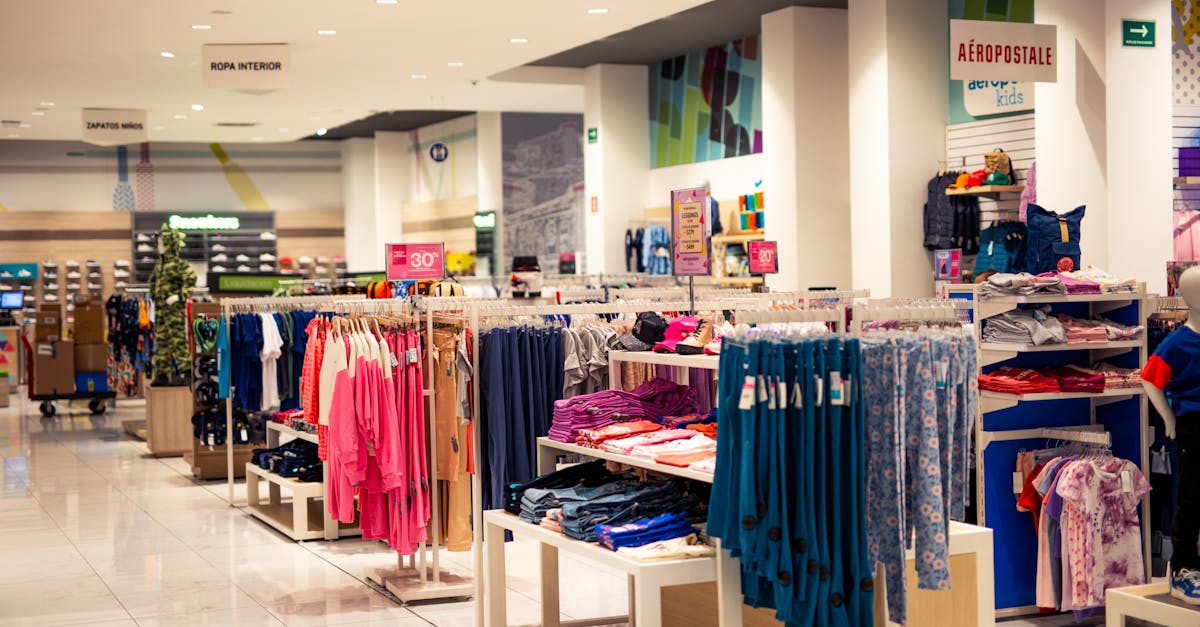
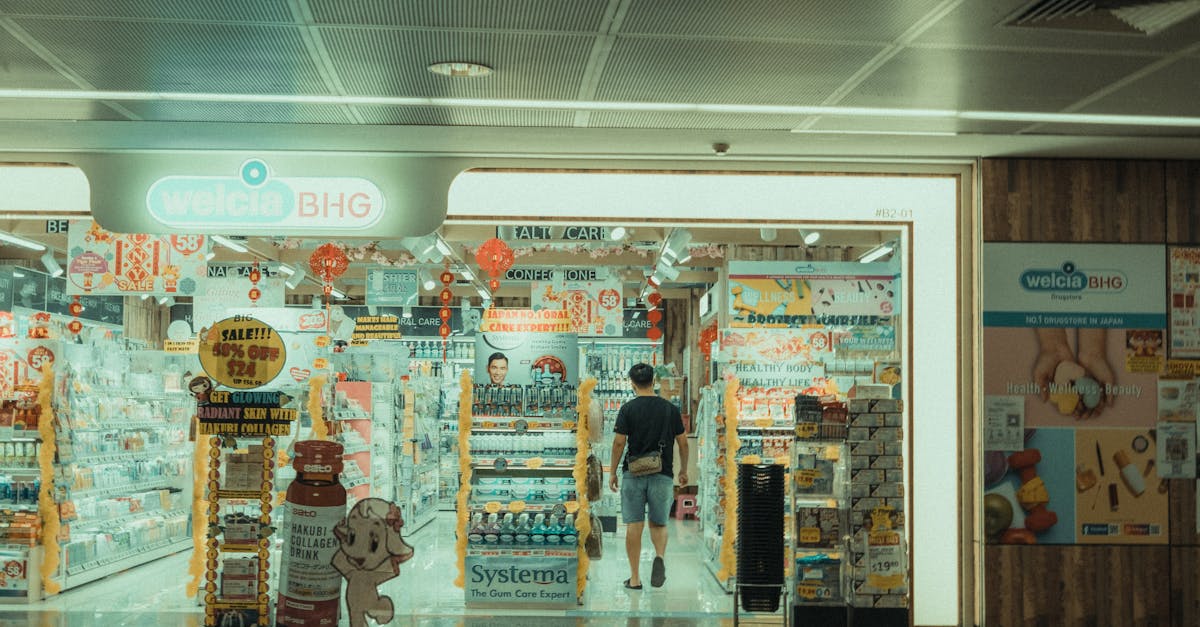
Remarkably, American consumer spending reached a staggering $16.6 trillion in 2023, highlighting the relentless pulse of the U.S. economy. This figure, representing 68% of the nation’s GDP, underscores the central role that consumer behavior plays even as inflation hovers around 3.3% — a factor that could dampen disposable income.
Inflation’s Subtle Hand
With prices gradually rising, Americans are adjusting their spending habits. The most recent Bureau of Labor Statistics report indicates that inflation, though stabilized at 3.3%, continues to impact the purchasing power of households. Higher costs for essentials such as food, housing, and fuel have forced consumers to make difficult choices, often leading to a reduction in discretionary spending.
Lifestyle Adjustments
The response to these financial pressures is varied. According to the Federal Reserve, retail sales in essential categories like grocery stores rose by an impressive 6% year-over-year, reflecting a shift towards necessities. Meanwhile, expenditures on higher-end discretionary items sank, with luxury goods reporting a notable decline in sales as inflation tightens consumers’ budgets.
Economic Sentiment Matters
Blending resilience with caution, consumer sentiment has shown fluctuations reflecting these economic conditions. The University of Michigan’s Surveys of Consumers revealed that while current economic conditions are perceived positively, future expectations are muted. This gap indicates that even while spending remains robust, there’s a growing awareness of the need for prudence as economic priorities shift.
Surprising Sectors Soar
Not all sectors have experienced the pinch of inflation equally. The service sector has thrived — particularly travel and hospitality, which rebounded sharply from pandemic lows. The Transportation Security Administration recorded an average of 2.5 million passengers per day in peak travel seasons, signaling that as prices soar, a significant portion of the population is willing to spend on experiences as opposed to goods.
Facing Future Challenges
With savings rates dipping and debt levels creeping back up to pre-pandemic figures, the pathway ahead remains uncertain. Increased interest rates orchestrated by the Fed to combat inflation could weigh heavily on those looking to finance major purchases like homes or cars. Many consumers might find themselves at a crossroads between maintaining their current economic habits or tightening their belts in response to rising costs.
Individual Choices Matter
For everyday consumers, the implications of these trends are profound. Rising prices mean that what once felt carefree now requires careful budgeting and strategic decision-making. Households are reconsidering subscriptions, dining out, and unessential purchases, placing a new emphasis on value and necessity over sheer consumerism.
What’s Next for the Consumer Landscape
As we draw closer to more significant economic adjustments, consumers will find themselves in a continuously evolving landscape shaped by their unique financial choices against the backdrop of a fluctuating economy. With critical spending decisions on the table, the question persists: how will Americans navigate the intricate relationship between their financial health and ever-present inflation?