8.7% Increase in Consumer Spending This Quarter
American consumer spending exploded by 8.7% last quarter, marking the most significant surge since before the pandemic. This spike is a double-edged sword, reflecting both growing confidence in the economy and the challenges posed by persistent inflation rates, which have hovered around 2.4% as reported by the BLS.
A Deep Dive Into Economic Behavior
Consumer expenditure, which represents two-thirds of the U.S. economy, offers a window into the health of economic sentiment. The purchasing power is strengthening as Americans return to previous spending habits, eager to treat themselves after years of uncertainty. However, this enthusiasm comes against a backdrop of rising prices; the Fed’s measures to combat inflation have sparked debates over sustainability in consumer behavior.
What It Means for Different Sectors
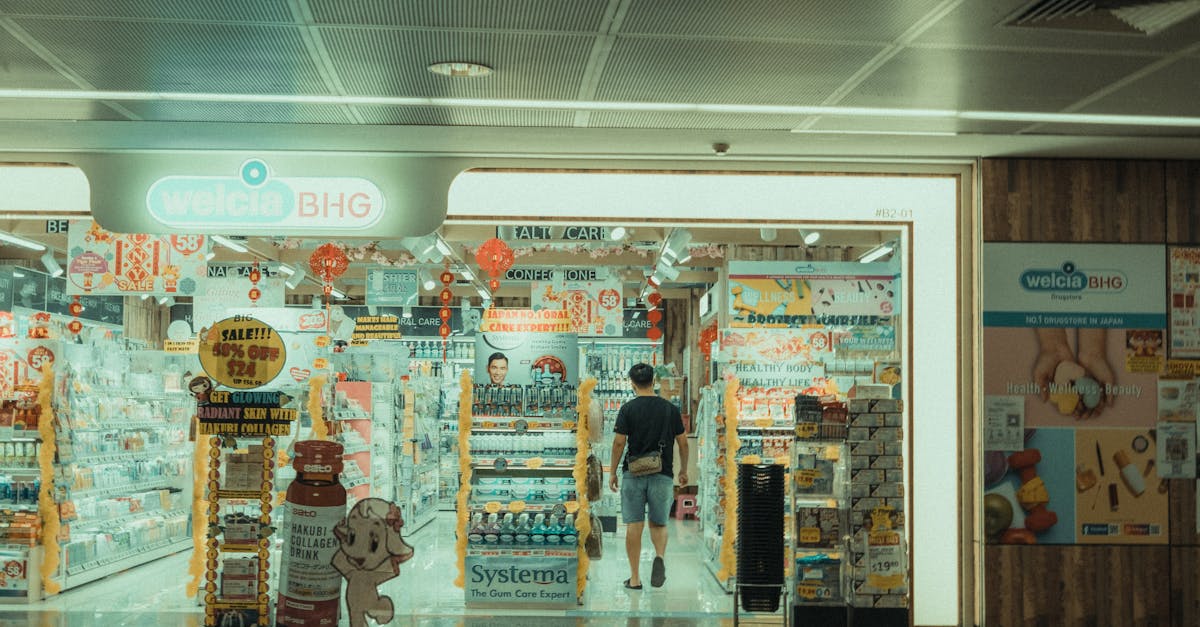
Particularly affected is the retail sector, which reported a staggering 12% growth last quarter. Online sales led the charge, increasing 15% and underscoring retail’s digital transformation. While these statistics sing of recovery and growth, the vulnerability to inflationary pressures remains evident. More emphasis is now placed on discretionary spending, meaning consumers might forego luxuries should prices rise further. Households are thus evaluating expenditures against a backdrop of creeping inflation.
Household Questions Amid Rising Prices
As inflation remains relatively tame at 2.4%, families grapple with the dilemma of spending versus saving. Food and energy prices, while stabilizing, still impact purchasing choices. The food index increased by 3% last month, prompting households to rethink their grocery bills in relation to leisure spending. Consumers must weigh necessities against discretionary spending, which could lead to scaling back in non-essential categories.
The Influence of Interest Rates
The Fed’s adjustments to interest rates have begun to trickle into consumer psychology. With the current federal funds rate at 5.5%, borrowing costs for homes and cars are influencing major purchases. The dynamics reveal a delicate balance: higher rates could cool consumer enthusiasm if purchasers delay significant purchases like homes and vehicles. As soon as the Fed signals a shift in rates, shifts in consumer spending could be expected to follow.
The Human Side of Spending Trends
At a more personal level, the strong consumer sentiment translates into more experiences rather than mere products. Recent reports indicate increased spending on travel, dining out, and entertainment, which signifies cultural shifts evolving from the pandemic and a longing for connection. This trend reflects a collective yearning for normalcy, resulting in recuperated spending trajectories in social settings as people prioritize life experiences over tangible goods.
The Road Ahead for Consumers
Navigating the current economic climate involves constant recalibrations of priorities, especially as inflationary pressures linger. Like a tightrope walker, consumers are balancing between enjoying newfound economic freedom and preparing for potential future shifts in price stability. The dance between personal finances and economic indicators will remain a crucial aspect of how spending shapes the broader economy in the months to come.