Consumer Spending: Navigating the New Normal
3.8% inflation has become the backdrop against which American consumer spending is being reevaluated. This persistent rise, as noted by the Bureau of Labor Statistics, reshapes not only how much people pay for goods but also what they choose to buy and how much they save.
When adjusted for inflation, personal consumption expenditures grew only 0.3% from the previous quarter, suggesting that consumers are tightening their belts. These numbers reflect a subtle shift; notwithstanding a general willingness to spend, there’s a discernible hesitance. A reality check reveals that while nominal spending figures continue to rise, the real purchasing power has strained under relentless price pressures.
From Dining Out to Cooking In
In practical terms, Americans are gravitating away from dining out to cooking more at home. Restaurant sales, while up 5.6% from last year, are still growing slower than grocery store sales, which increased by 7.2% over the same period. This swing in behavior underscores a growing trend of financial prudence among consumers, as they shift their spending towards essentials rather than luxuries.
The Impact of Rising Interest Rates
Consumer credit has also faced scrutiny, particularly as the Federal Reserve adjusts interest rates in response to inflation. With rates hovering around 5.4%, many consumers are now finding themselves weighing their options more carefully before making large purchases. This shift has led to a 15% drop in auto loan originations this year, reflecting both increased costs and a cautious approach to new debt.
These economic dynamics mean that household portfolios are now more likely to prioritize saving than splurging. Data from the Fed showed a noticeable uptick in personal savings rates, which stood at 4.2% as of the last quarter, suggesting that individuals are preparing for longer-term uncertainties by bolstering their savings.
What This Means for Retailers
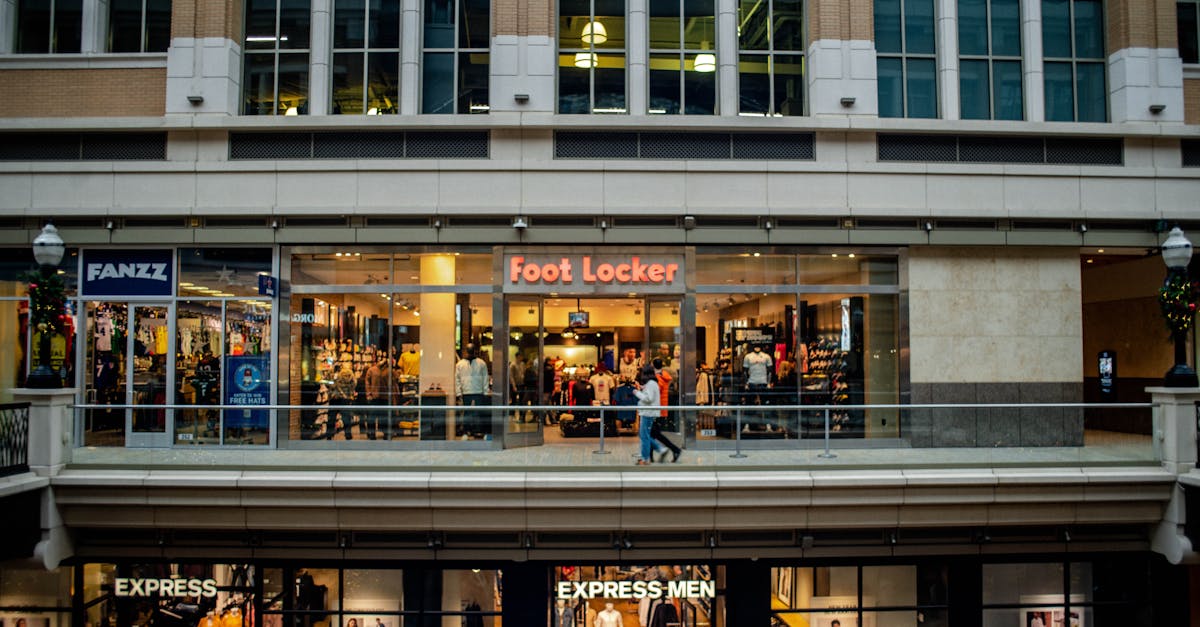
Retailers, too, are feeling the squeeze from these consumer shifts. Companies are increasingly focused on offering value-driven pricing and loyalty promotions in hope of keeping foot traffic steady. Preliminary data indicates that brick-and-mortar stores are adopting strategies like extended sales events to compete against online counterparts, where price comparisons highlight disparities even more starkly.
As shoppers continue to navigate this new landscape, the approach of many businesses is reflective of a more conservative consumer base. Brands must adapt smarter pricing strategies, catering to a clientele that is not just more frugal but also more selective when it comes to spending.
The Human Element Amid All the Numbers
In an era characterized by heightened economic sensitivity, consumer sentiment remains a pivotal force shaping spending patterns. Surveys reflect a mix of cautious optimism, as many consumers expect better economic conditions ahead, yet they’re grappling with the immediacy of daily expenses rising faster than wages.
Families might be forgoing vacations or cutting out non-essential services altogether as they recalibrate their budgets in light of housing and fuel costs. This ongoing adjustment represents a delicate dance between maintaining a semblance of normalcy while accommodating to new fiscal realities.
Where do we go from here? As inflation continues its steady march, consumers, armed with new habits and perspectives, will likely reshape the retail landscape in ways still unfolding.