$19.9 trillion: The Consumer Spending Milestone
At an astonishing $19.9 trillion, U.S. consumer spending has reached new heights, up from $19.6 trillion just last year. This growth paints a picture of a resilient economy, but the backdrop of persistent inflation complicates the narrative. As the Bureau of Economic Analysis reveals, this surge in expenditure reflects both an adjustment in consumer behavior and pressures from rising prices around essential goods and services.
Inflation’s Role in the Spending Surge
The most recent inflation rate is pegged at 3.3%, a significant figure that still underscores the economic climate consumers face. Despite the upward trajectory in prices, spending continues to climb—suggesting that households are either dipping into savings, utilizing credit, or adapting their purchasing patterns when it comes to discretionary items. The Federal Reserve’s ongoing adjustments to interest rates may be aimed at curbing this cycle, but for now, the appetite for consumer goods remains robust.
The Disparities in Spending
Analyzing the spending breakdown reveals dramatic disparities across different sectors. While expenditures on groceries and utilities have seen more modest gains at approximately 5.1%, discretionary sectors like travel and entertainment surged by over 10%, showcasing a clear shift towards experiences over material goods. This consumer behavior illustrates a desire for life quality enhancements, likely fueled by a post-pandemic mindset that prioritizes social interactions and travel after years of restrictions.
Implications for Households
What does this trend mean for the average household? With inflation looming, American families are finding it increasingly necessary to reassess their budgets. Essentials become non-negotiable, while discretionary spending creeps upward—forcing families to juggle choices between longer-lasting items and fleeting experiences. As disposable incomes fluctuate and credit usage rises, the long-term sustainability of this spending pattern raises questions: will consumers harness their newfound confidence sustainably, or are we witnessing a temporary economic rebound?
Sector-specific Shifts
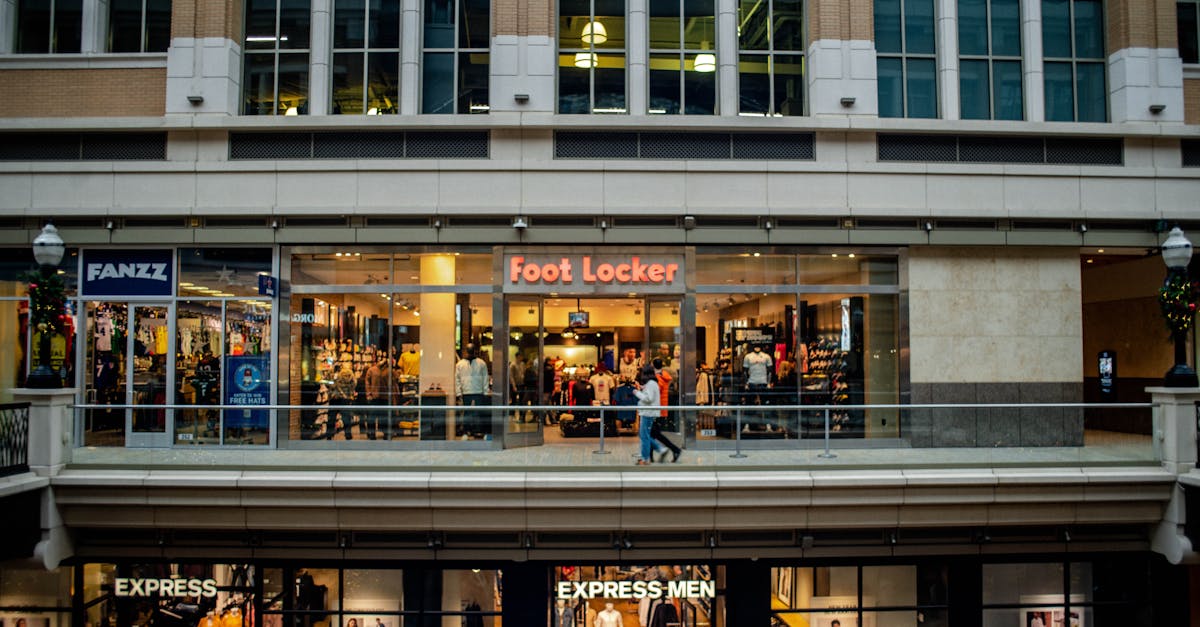
Not all sectors benefit equally from increased consumer activity. Retail has seen significant adaptability, with e-commerce and digital platforms capturing expansive market shares. Conversely, brick-and-mortar enterprises are recalibrating their strategies to coalesce with growing online sales, leaving behind a trail of both innovation and losses in traditional shopping channels. Companies that invest in these transitions can seize opportunities provided by the consumer’s digital shift.
Perspectives from the Fed and Policymakers
The Federal Reserve remains vigilant regarding the spending behavior of American households, as it informs decisions on monetary policy. The balance between exercising control over inflation and maintaining an encouraging environment for consumption is delicate. Policymakers must consider that while higher spending is a sign of confidence, it also raises concerns about how long consumers will sustain this momentum in the face of rising costs.
Despite this complexity, some analysts suggest that expenditures will remain buoyant due to the strong job market and wage increases, which tend to bolster discretionary spending. However, pockets of distress remain for lower-income households, who are particularly sensitive to rising costs in essentials as they engage more deeply with credit lines to bridge the gap.
As consumer dynamics evolve, businesses will need to remain agile to seize changing opportunities and challenges in the marketplace.