A New Chapter in Monetary Policy
As of March 1, the central bank’s interest rate stands at 3.64%, marking a significant pivot in U.S. monetary policy. This rate signals a proactive response to inflationary pressures that have besieged the economy. In an era defined by persistent price increases, the Federal Reserve finds itself at a crossroads, balancing growth and stabilization.
Weighing the Global Landscape
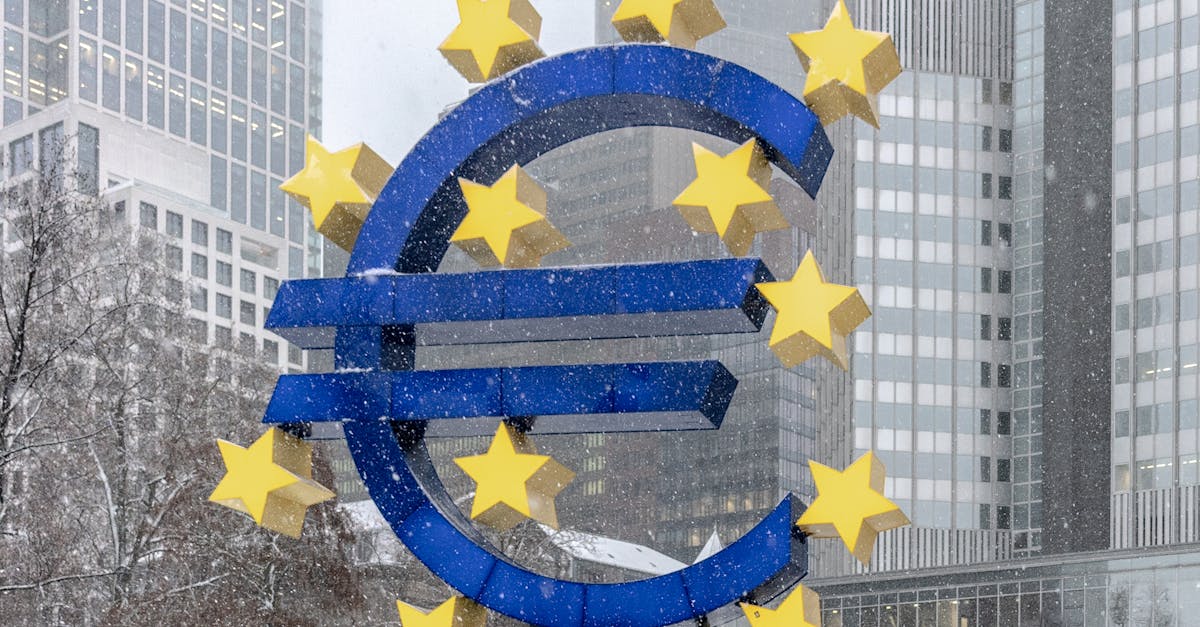
To fully understand the context, consider the interest rates of major economies. The European Central Bank’s rates linger at 3.00%, which contrasts sharply with U.S. figures. In the UK, rates hover around 4.25%. These disparities not only reflect differing inflationary experiences but also illustrate the Fed’s aggressive stance in combating domestic inflation, which reached a four-decade high of 9.1% mid-last year before cooling down to approximately 5.4% as of January this year.
Historical Context: The Vocabulary of Rates
The current rate of 3.64% positions the U.S. in a moderately higher territory than a year ago, when rates were effectively zero. The swift rise underscores the Fed’s commitment to reining in inflation through a series of rate hikes. The uptick to 3.64% represents an increase of around 340 basis points from the historic lows established in early 2022. Such measures are not common, echoing the tapering actions taken during the early 2000s but with greater urgency this time around given the post-pandemic economic recovery.
Small Business vs. Big Banks
What does this mean for the American consumer and small businesses? A rise in interest rates translates to increased borrowing costs. For instance, small business loan rates have already begun to tick up, constraining access to essential capital for expansion and daily operations. In contrast, large corporations are often better-positioned to weather these changes, benefiting from their established credit lines and financial liquidity.
The Nexus of Risk and Reward
The uptick in interest rates presents a dual-edged sword. On one hand, higher rates can stabilize inflation, an immediate relief to consumers grappling with rising prices. On the other hand, the potential for slowing economic growth looms large, as both consumers and businesses may restrict spending amid rising costs. This creates a precarious balance: if the Fed acts too aggressively, it risks triggering a recession, but if it hesitates, inflation may rear its head once more.
The Road from Here
Looking ahead, the path is riddled with uncertainty. Analysts are closely monitoring inflation trends, labor market dynamics, and consumer sentiment to gauge the effectiveness of the Fed’s strategy. As companies release earnings reports in the upcoming quarters, we will gain insights into how this shift in interest rates is shaping corporate America’s resilience. For American consumers, navigating a higher interest landscape will demand greater financial literacy and adaptability, as the impact of these changes ripples through the economy.
In this new era, the prudent observer will find that understanding the dance between interest rates and economic health will be essential for making informed decisions. As the Federal Reserve continues to adapt its strategy, one cannot help but wonder what surprises lie ahead on this economic journey.