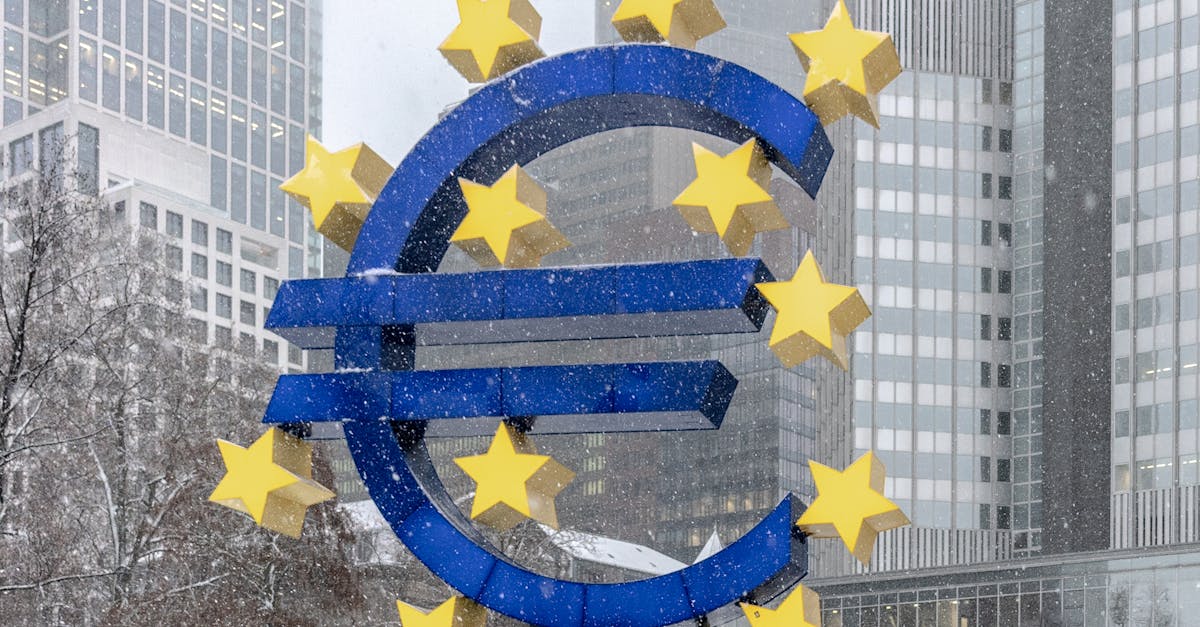
A Rate Remains on Hold at 3.64%
Central banks worldwide are at a pivotal moment, yet the United States stands firm with its current interest rate set at 3.64%. This decision, which contrasts sharply with more aggressive monetary policies in places like Europe, reflects a strategic balance between maintaining economic momentum and controlling inflation—a narrative that is becoming increasingly complex as economic indicators paint varied pictures.
A Broader Economic Landscape
Relative to the UK, where the Bank of England recently raised rates to counter rampant inflation, the Fed’s posture showcases a different approach. The Bank of England’s base rate sits at 4.25%, reflecting concerns over prices surging at an alarming pace. Meanwhile, in the Eurozone, the European Central Bank has adopted an even more hawkish stance, setting its main interest rate at 4.00%. This presents a stark divergence in monetary policy, as the Federal Reserve anticipates sustained growth while other economies react to more immediate inflationary pressures.
Year-on-Year Changes
Examining last year provides further context to today’s decisions. In March of the previous year, the U.S. interest rate was significantly lower at 2.00%. The shift to 3.64% in seemingly shy steps attempts to temper inflation rates that have hovered uncomfortably above 5%. Despite the gain, the U.S. inflation rate seems to cool, showing signs of tapering from peak levels. The Consumer Price Index (CPI) has settled just above 3%, giving the Fed a window to evaluate the impact of their current rate before making further fluctuations.
Comparisons: A Global Perspective
Internationally, the U.S. maintains a less aggressive posture amid a foreign landscape plagued with varying inflation crises. Countries like Argentina are witnessing rates as high as 99% as they grapple with hyperinflation; thus, the 3.64% rate in the U.S. appears manageable. Similarly, Japan continues cloaked in sub-zero rates, emphasizing how different national contexts require distinct monetary solutions. The global interest rate landscape is fragmented, with developed economies like Japan employing negative rates for years, while countries like Brazil set rates at 13.75% to foster stability against currency volatility.
The Future of the Federal Reserve’s Strategy
With inflationary pressures easing, the Federal Reserve can take its time in reconsidering future rate hikes. Market analysts predict potential shifts in mid-2024, depending on the consumer spending reports and labor market strength. The jobs report continues to illustrate resilience, with unemployment rates consistently hovering around 3.5%. This ongoing employment stability gives the Fed additional room to maneuver without risking overheating the economy.
The Balance of Caution and Growth
As inflation continues to exert pressure, the Fed’s actions reflect an intricate dance between caution and optimism. The present 3.64% rate seeks to tread this line delicately, working to ensure that economic growth isn’t stifled while still managing inflation effectively. Should inflationary indicators trend down, a long-term rate of such magnitude may prove beneficial, or perhaps finally subside as a lingering remnant of post-pandemic stimulus measures.
While the immediate action by the Fed remains one of patience, market watchers will scan for hints as to when changes may emerge. Monetary policy operates not in a vacuum; external factors such as geopolitical concerns and economic activity elsewhere will heavily influence any forthcoming rate adjustments. Behind the scenes, strategies are mulled over as the Fed navigates the complexities of a global economy rife with uncertainty and potential.