A Day in the Life of the Thompsons
On a sunny Saturday morning, the Thompson family woke up to the delightful aroma of pancakes wafting through their home in suburban Virginia. Ten-year-old Mia flipped through her favorite magazine, wishing desperately for the latest smartphone. Meanwhile, around their tiny kitchen table, parents Sarah and Mike reviewed their family’s finances amid the ongoing fluctuations in the stock market.
With Mike recently promoted at his job, the couple felt the weight of rising inflation, now at 3.3%, making their weekly grocery bills feel as though they were climbing mountain peaks rather than mere price tags. These pressures on family budgets are not just numbers to the Thompsons; they are tangible experiences that shift their purchasing power and long-term savings.
Stock Performance and the Family Budget
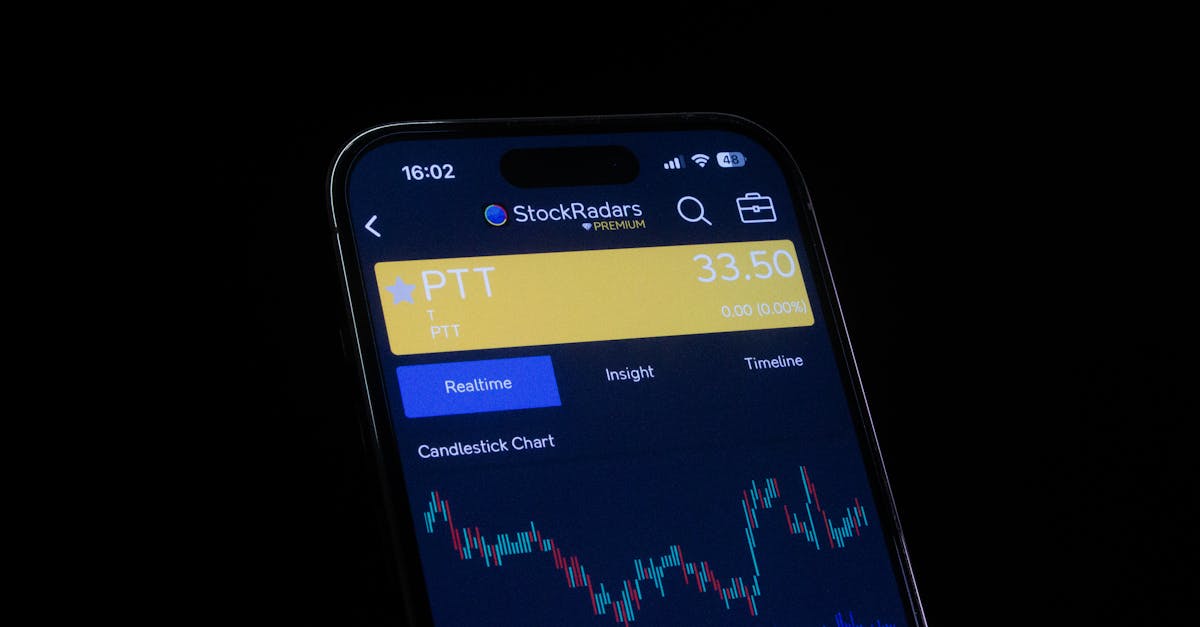
As they crunched the numbers, Mike reminded Sarah how their investments had seemed to soar when they first dived into the stock market three years back. On that journey, the couple saw their modest savings grow and felt buoyed by the optimism surrounding the S&P 500. Now, however, the market displayed signs of shakiness, reflective of broader economic conditions. Just how these developments danced through the Thompsons’ finances illustrated a deep link between the stock market and the everyday affairs of American households.
Unemployment stood at 4.3%, a figure slightly above what many economists had predicted in a recovering post-pandemic landscape. This was more than just a number for the Thompsons; it indicated that job security was becoming increasingly precarious for many families like theirs. For them, it meant rethinking future vacations and possibly delaying that long-desired kitchen remodel.
Interest Rates: The Unseen Hand
Further complicating matters, the interest rate was hovering around 3.64%. This wasn’t merely a number for a financial report; it represented the cost of borrowing money for the Thompsons’ impending home improvement project. High rates deterred Mike from considering a loan to boost their financial potential. To put it into perspective, every percentage point increase in interest could mean an extra $1,200 in annual payments for loans they might take out—money better spent on vacations or Mia’s dreams of a new smartphone.
In the wake of a fluctuating stock market, the decisions made by families like the Thompsons reflect a broader economic fluctuation where financial security feels precarious, and reliance on equity investments highlights the inherent risks. As more Americans get caught in this rollercoaster of market volatility, everyday decisions shift dramatically, leaving families grappling with the tension between ambition and caution.
The Dance of Hope and Caution
Despite the pressures, the Thompsons decided to remain optimistic. They finalized their budget, resolved to keep investing in their stocks, albeit cautiously. It was imperative for them to balance immediate needs with long-term gains. Sarah felt that resilience in fluctuating markets is akin to seeing the sunrise after a night filled with storms.
While Mia made her case for that trendy smartphone, Mike reminded her they had just received raises and that their 401(k)s were still performing well—if not spectacularly. The rise and fall of their portfolios didn’t just speak of numbers on a screen; they echoed through family conversations, shaping their dreams and what they anticipated for the future. They understood that these investments were paving the way for Mia’s college education and their impending retirement.
What began as a household breakfast ritual soon transformed into strategy sessions filled with educational moments about the stock market, interest rates, and inflation. Every byte of information collected became part of their story, a narrative seeking a balance between caution and hope in the financial landscape.
Bringing It All Back Home
As the pancake grill cooled down and the belongings began to scatter, the Thompsons gathered their thoughts amid the context of their financial future. Each day carries with it the echoes of stock market developments that influence their lives more than they could have imagined. With rising inflation and fluctuating interest rates, they realize that their family economy flows together with broader economic narratives, echoing the sentiment that in every rise and fall of the stock market, there lie stories—not just numbers, but lives caught in the rhythm of a complex world.