The Ripple Effect of Stock Market Development on Daily Life
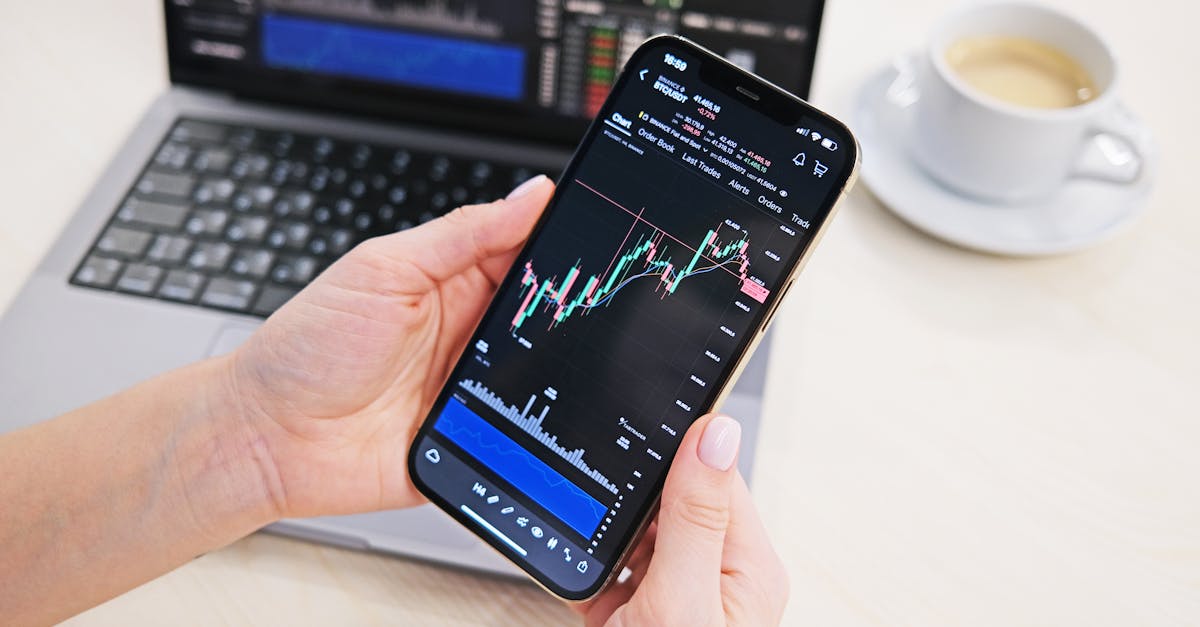
As dawn breaks in a small suburban neighborhood, Lisa Morgan, a mother of two and an accountant, scans through her online investment portfolio over a cup of coffee. Just last week, she noticed that her investments in renewable energy stocks soared by 15%, a significant jump in her usually conservative portfolio. With inflation hovering at 2.4%, Lisa feels an unexpected wave of relief. Her family’s savings can finally keep pace with rising living costs, granting her a sense of comfort these days.
For Lisa, the stock market’s performance does more than just dictate her financial fortune; it molds her family’s lifestyle. Each fluctuation sends ripples through her household, from the grand plans of a potential family vacation to minor upgrades in their beloved kitchen. But Lisa’s story is not an isolated one; it embodies a larger narrative of how stock market dynamics directly intersect with everyday life across the United States.
The Stock Market as a Barometer of Economic Health
From businesses adapting their strategies to individuals re-evaluating their investments, an upward trend in the stock market can be likened to finding more than just loose change beneath the couch cushions—it allows for opportunities. With interest rates at 3.64%, borrowing costs remain compellingly low, fueling both consumer confidence and business expansions.
Take, for instance, Marcus, a local bakery owner who recently secured a loan to expand his operations, capitalizing on the investment climate. The bakery is situated right around the corner from Lisa’s home, and with the stock market rallying, locals have felt more inclined to indulge in gourmet pastries. Marcus has witnessed a 20% uptick in monthly sales, attributable not only to increased foot traffic but also to an optimistic consumer base that feels more secure investing in local goods.
The financial lifeblood of Marcus’s bakery runs parallel to the stock market’s pulse. Higher equity prices often coincide with revitalized consumer sentiment, leading families to open their wallets wider. That desire to spend lessens the burden on workers, too. As the labor market shows stability, evidenced by an unemployment rate of 4.4%, it becomes easier for workers like Patrick, a barista at a nearby coffee shop, to negotiate higher wages as employers feel pressure to retain talent while the economy flourishes.
Navigating the Ups and Downs
These interconnected stories illustrate the layered realities of what happens when stock prices rise. Yet, like all markets, the stock exchange can turn on a dime. A sudden plunge, perhaps triggered by geopolitical unrest or economic indicators of a slowdown, could alter the trajectory of families, businesses, and workers alike.
As Lisa discusses investments with her husband, she emphasizes a cautious approach. “What goes up can come down,” she remarks, tempered by the lessons of past market crashes. When stocks fell abruptly a few years back, their budget for the kids’ college funds felt tighter, instilling a pinch of anxiety amidst their otherwise stable environment.
In moments of turmoil, trust in the market erodes, which could lead to less discretionary spending, prompting businesses like Marcus’s bakery to reassess hiring plans amidst wider economic uncertainty. While consumers feel pinched, even a slight rise in inflation could challenge household budgets once again.
Full Circle: Hope and Resilience in Uncertainty
At the end of the day, whether in a living room filled with laughter or a bustling bakery, the connection between the stock market’s movements and daily life unfolds in a cyclical dance. For Lisa, Marcus, and Patrick, the fluctuation of dollar signs translates into tangible impacts on their families and livelihoods. As they navigate through uncertain waters, hope remains rooted in the resilience businesses and consumers exhibit together. The family may still want that vacation, but, for now, they revel in the little wins—a taste of security derived from an uncertain world.
Engagement with the stock market resonates beyond mere investment; it represents a broader narrative of perseverance. As families calculate their futures today, every rise and fall reverberates throughout the community, intertwining their fortunes in ways they are only beginning to grasp.