Imagine the Johnson family on a sunny Saturday morning in Ohio. They’re flipping pancakes, laughter echoing through the kitchen, as they eye the half-empty jar of maple syrup. It’s a staple for their breakfasts, but this weekend, they find themselves checking the price tag on a new bottle. Just last month, that same jar cost $6. Today, it’s bumped up to $7. Unbeknownst to them, this small increase is a reflection of a complex web of trade dynamics at play.
A Family’s Dependence on the Global Market
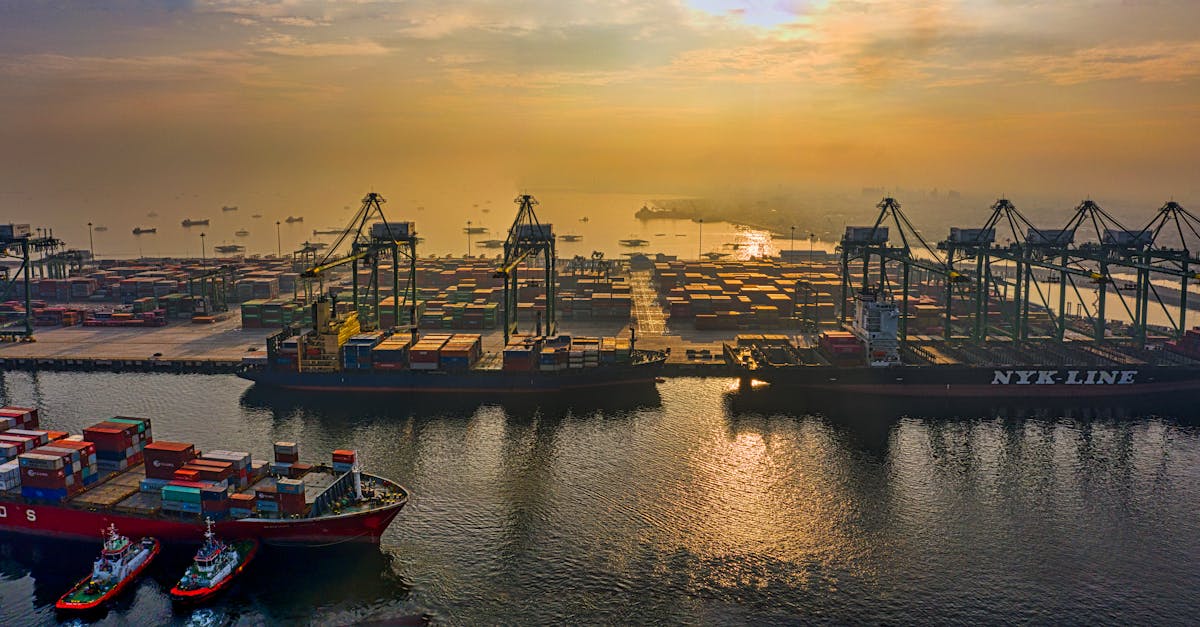
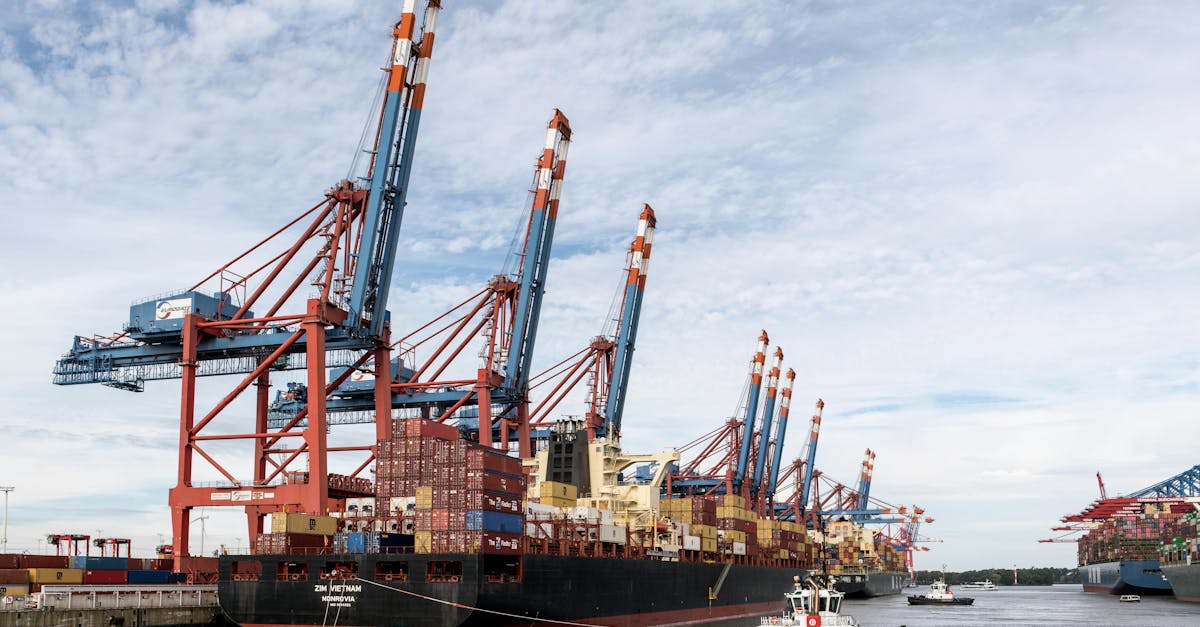
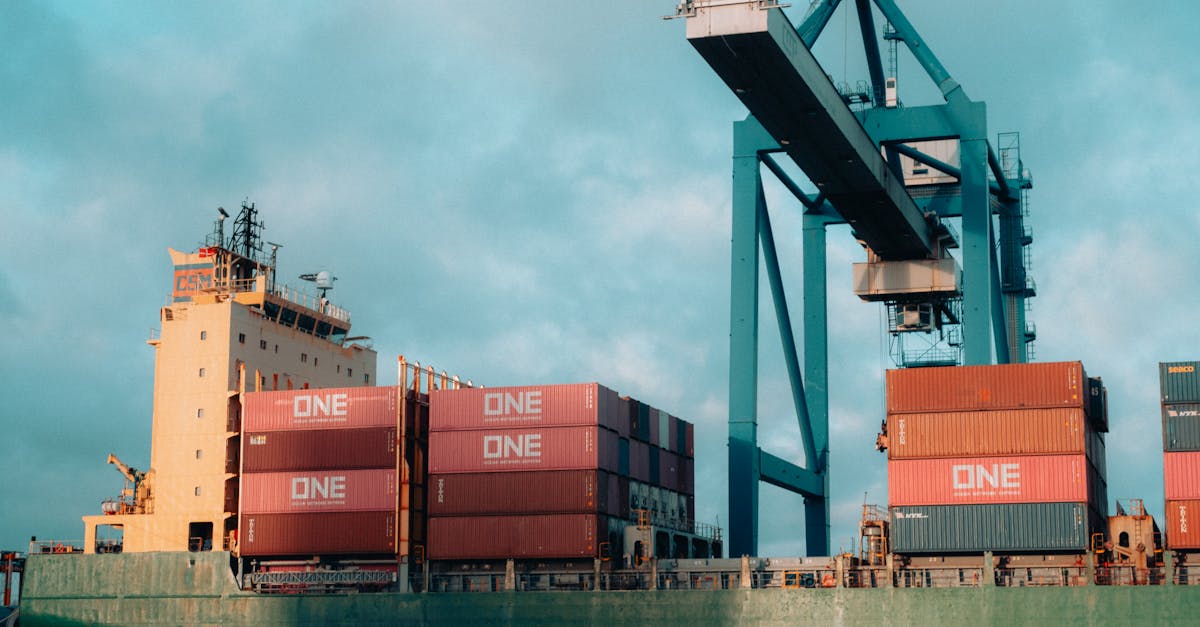
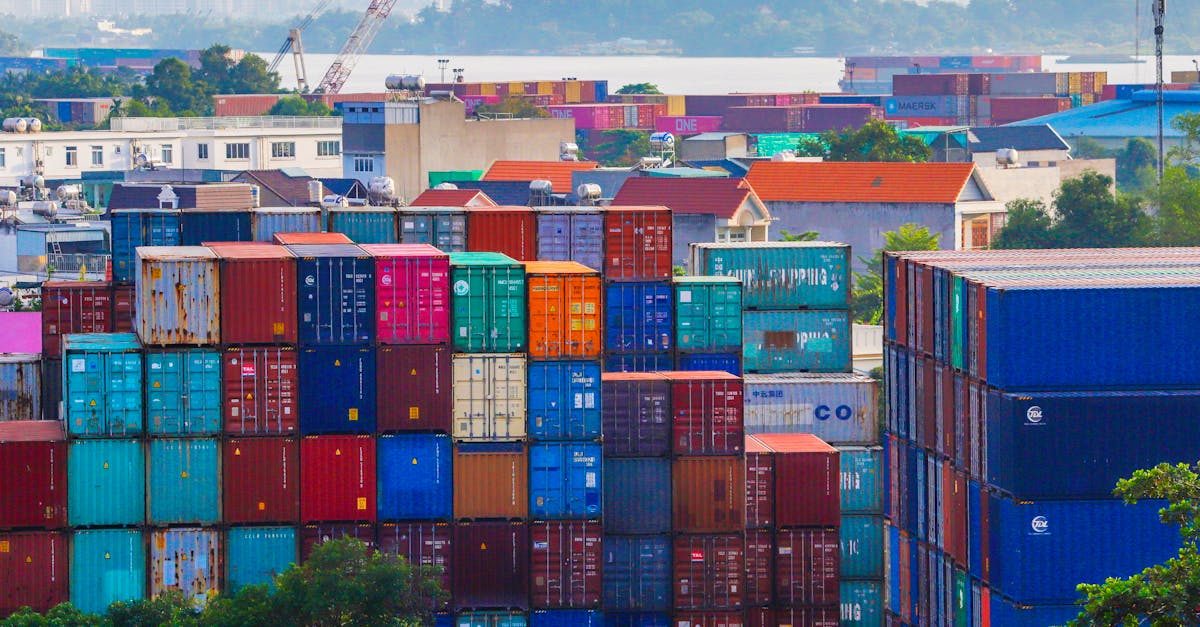
Last year, America exported over $2.8 trillion worth of goods and services. For the Johnsons, that means nearly a third of what their country produces is sent out into the world, sustaining jobs and industries that support their daily life. The maple syrup industry, though local, is intertwined with international commerce as markets expand and contracts are sealed across oceans.
Take a minute to connect this to the greater trade balance, which in July recorded a deficit of $69 billion according to the Bureau of Economic Analysis. This gap indicates the monetary value where imports outran exports: think of it as when the Johnsons decide to order takeout instead of cooking at home, tipping the scales on their household budget.
When American goods are sold abroad, they not only support the manufacturers but affect the entire supply chain — from workers stitching clothes in North Carolina to farmers harvesting wheat on the Plains. The downstream effect can be seen in rising wages. Manufacturing jobs have increased alongside exports, with jobs in the goods sector growing by almost 1 million since early 2020, as reported by the Bureau of Labor Statistics.
The Balancing Act of Trade and Its Hidden Costs
But every rose has its thorn. Higher demand for exports can leave domestic consumers facing rising prices. This has become painfully evident in the grocery aisles, where imports significantly shore up availability and competition. If the Johnsons rely heavily on certain imported goods, they might start seeing prices edge up. For example, those bananas they love? A dip in their availability due to supply chain constraints—or a hike in transportation costs triggered by shifts in fuel prices—translates to a few extra cents per banana.
As of now, the U.S. dollar remains strong on the world stage, which means American goods are more expensive for foreign buyers. This can reduce exports, leading to potential layoffs in industries reliant on international sales. This is not just theoretical; it’s a direct impact on families who may face job insecurity, ultimately leading to less spending power and strained budgets.
The Johnson Family and the Broader Economic Landscape
So, as the Johnsons sit at their kitchen table, scrutinizing the grocery bill, they could be unwittingly feeling the brunt of this delicate balancing act of trade. They might pass by a small local shop that imports unique spices from abroad or a cafe serving fair-trade coffee and not realize how the broader economic patterns swirl around their simple grocery choices.
While policymakers draw up strategies to enhance export competitiveness—aiming to bolster those numbers in goods sold overseas—families must grapple with the immediate impacts. The alternatives of consuming higher-priced goods or finding substitutes underscore the trade-offs inherent in the global market.
As the Johnsons clean up after breakfast, they’re part of a larger story playing out across America—where every jar of maple syrup, imported banana, or local artisan product reflects a global narrative woven tightly into their lives. It’s a constant negotiation of price, value, and the intricate bond connecting American families to international markets. Every dollar spent is another word in the story of how trade shapes their everyday existence.