A Day in the Life of the Johnsons
Consider the Johnson family of Kansas City, a household of four navigating life with the usual mix of school, work, and dinner plans. Every evening, they settle at the dinner table, bills spread out, a weekly ritual underscored by their economic reality. This week’s groceries draw a sharp line between needs and wants, a balancing act increasingly influenced by the ebb and flow of international trade.
The delicate balance of trade in the United States reached a pivotal point recently, narrowing the trade deficit to $65.3 billion in July 2023, down from $67.9 billion the previous month. This change isn’t just a number; it represents a shift in trade dynamics that directly impacts the Johnsons’ spending power. When imports decrease and exports rise, households often notice the difference at the checkout counter—even if they can’t pinpoint the cause.
The Export Story: America’s Global Reach
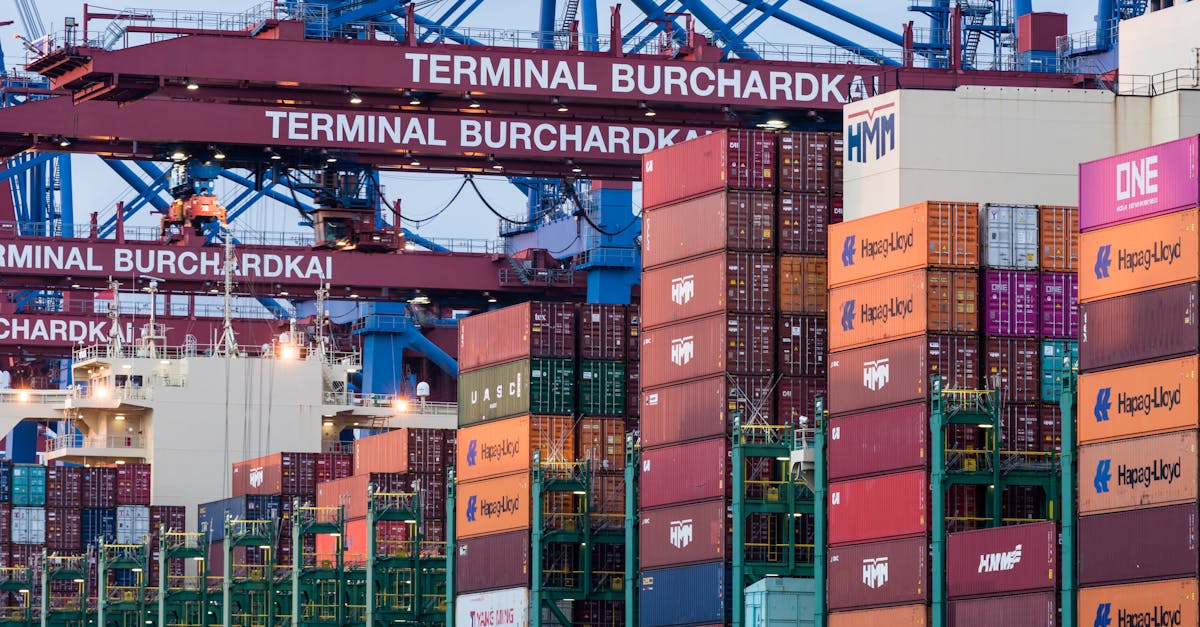
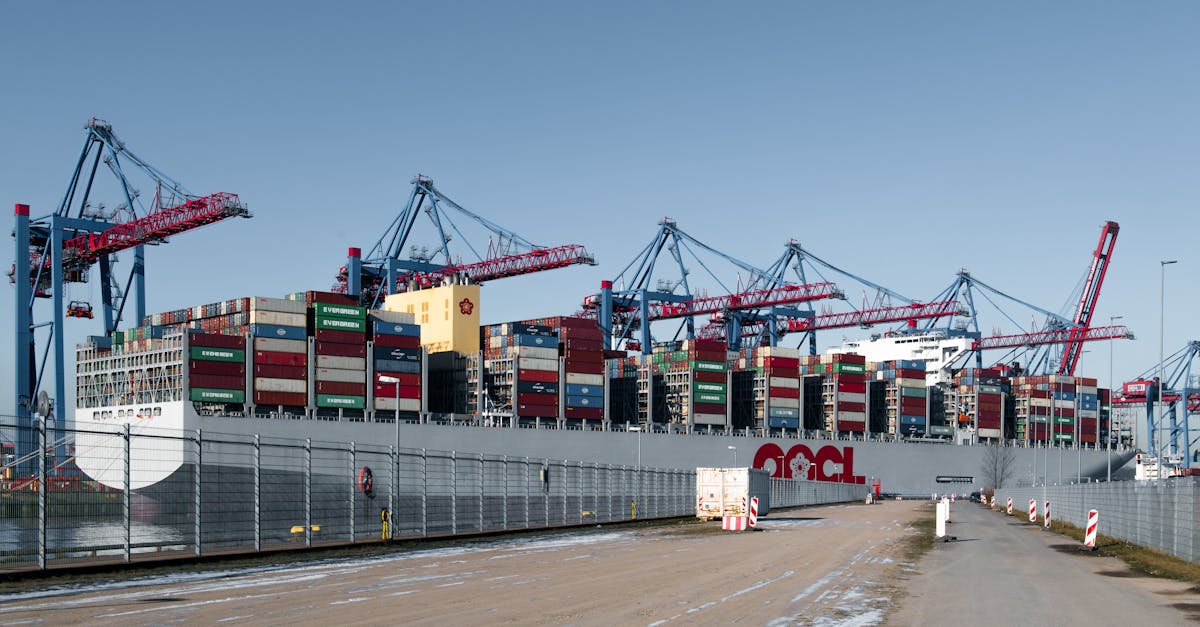
The country exported goods worth $259.1 billion in July 2023, reflecting a robust international demand for American products. Imagine that—these exports could be something as simple as the new bicycle that Daniel, their 10-year-old son, dreams of owning or a fresh shipment of corn that flourishes in the local farmer’s market, potentially increasing the income for the Johnsons’ neighbor, an independent farmer. As U.S. manufacturers expand their reach overseas, it sparks increased production, giving local workers like Mr. Johnson, who works in a manufacturing plant, more job security and possibly overtime hours.
As exports rise, so do several economic indicators. The Bureau of Economic Analysis (BEA) indicates that a $1 increase in net exports can lead to a $1.50 increase in GDP. For the Johnsons, that translates to more tax revenue that can fund local schools or infrastructure projects—things that directly benefit their community. School supply budgets can grow, leading to a better education for their daughter, Jessica, who is eager to excel in her chemistry class.
Imports: The Flip Side of the Coin
On the flip side, imports fell by $2.7 billion to $324.4 billion in the same month. This reduction is often a double-edged sword. For families like the Johnsons, while less reliance on imports can stimulate local markets, it also makes certain goods pricier. The cost of electronics, for example, can escalate when supply chains are disrupted or when other global supply issues arise. Whether it’s the smartphone Jessica begs for or the latest kitchen gadget Mom has her eye on, the Johnsons feel the push and pull of trade directly in their wallets.
The Local Impact of Global Trade Policies
Trade policies have a profound role in how the Johnsons and families across America experience their economic landscape. With ongoing negotiations around tariffs and trade agreements, the repercussions extend well beyond boardrooms in Washington. When tariffs on steel imports were imposed, it echoed through the Johnson household when Mr. Johnson’s employer raised prices on their manufactured goods to cover increased costs, leading to tougher decisions around the dinner table.
Amid these changes, the Johnsons adjust their spending. Strategies might include opting for local products or those on sale, steering their choices based not just on personal preferences but on the currents of global trade that dictate prices.
Coming Full Circle
As the Johnsons prepare for their family game night, they embody what many American families are experiencing. The trade balance—a story marked by numbers, imports, and exports—intertwines with their lives in tangible ways. Understanding this balance illuminates how economic strategies and decisions ripple through every household, influencing their experiences at the grocery store and their hopes for a brighter economic future.
Their dinner table discussions, once centered around daily dramas of work and school, now also reflect a deeper understanding of economic ties beyond their city. When the next shipment of American goods sails overseas, the Johnsons—a family navigating the complexities of trade—will feel the effects, ensuring they remain engaged in their world, one meal at a time.