A Surprising Twinkle in Inflation’s Shadow
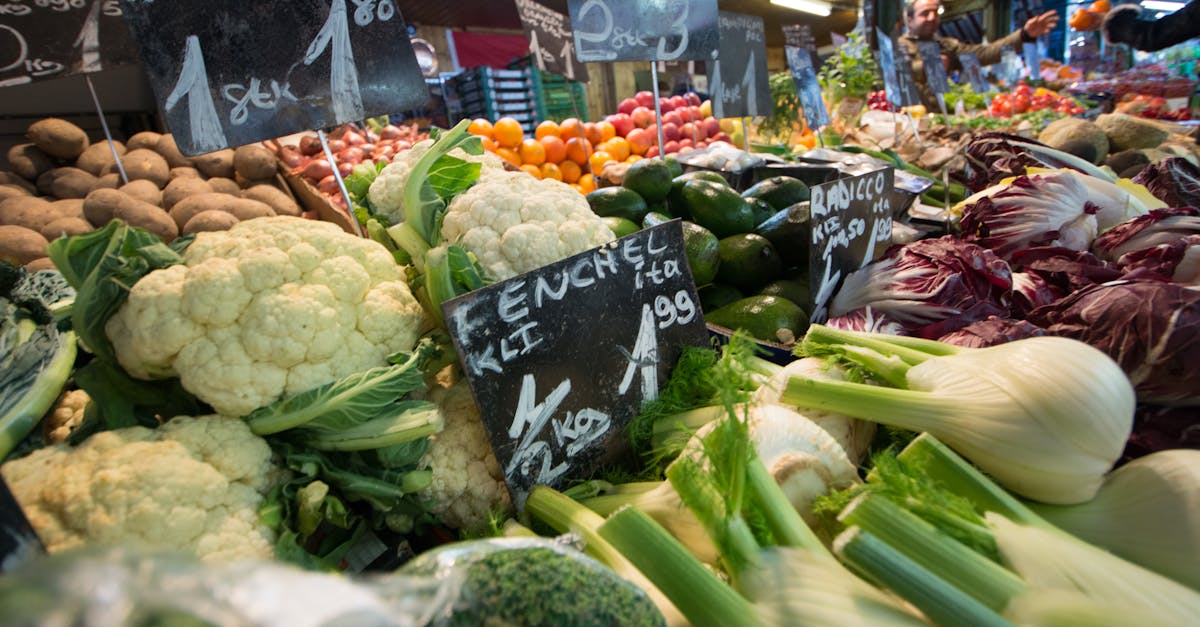
Inflation often paints a relentless picture of economic struggle, but beneath the surface, consumers are experiencing an odd paradox: greater spending power in some realms, yet vulnerability in others. With the Bureau of Labor Statistics recently reporting an annual inflation rate at 4.2%, these numbers elicit fear, yet certain sectors reward consumers handsomely. If you’re dining out, foods like avocados and gourmet coffees may be soaring, but technology—from smartphones to laptops—is surprisingly affordable. Why the dissonance?
Expectations vs. Realities in Consumer Spending
Consumer expectations of inflation have historically dictated spending habits. The Federal Reserve’s recent adjustments hint at a looming tightening, yet many consumers still view the market through rose-tinted glasses. They expect stability and modest price increases, contradicting the persistent 4.2% figure. Traditional staples—like groceries and fuel—continue to march upwards, while tech gadgets and entertainment costs are taking a fortunate downturn. This divergence has left a cohort of tech spenders feeling somewhat insulated. Meanwhile, those reliant on essential goods face an unending squeeze.
Consider the regional disparities as well. The Midwest has experienced hikes of over 5% in basic consumer prices, while the South registers at a more manageable 3.7%. It seems the poker game of inflation is also subject to geographical hands. Have residents become resigned to the idea that price hikes are a natural part of life, even as their neighbors adapt more swiftly to inflationary pressures?
The Glaring Blind Spot: Unequal Recovery
While headlines often champion strong employment figures and resilient consumer spending as markers of economic recovery, what’s hidden from view is the growing wealth gap exacerbated by inflation. For consumers in economically marginalized communities, a 4.2% inflation rate doesn’t merely threaten budgetary limits; it acts as a crucible. Their burdens are compounded further when costs spike more harshly for essential items.
This incongruity creates a cruel stratification among economic classes: the affluent may manage to sidestep some of the pain through diversified spending, while lower-income families disproportionately bear the brunt. The bottom 20% of earners see their disposable income squeezed tighter, while wealthier individuals leverage investments in real estate and knowledge-based economies to safeguard—and even grow—their holdings.
A World in Contrast
Internationally, America doesn’t exist in a vacuum. While inflation sits at 4.2%, Europe has scrambled to keep itself afloat at nearly 6.2% with mounting energy costs and geopolitical tensions. However, some emerging economies are experiencing hyperinflation rates upwards of 20%, exposing a stark contrast in more stable economies like our own. Could this volatile global landscape ironically afford the United States a perception of stability, despite underlying issues?
Compounding these concerns, global supply chain pressures are pushing prices up, yet poised to normalize as production increases. That push-and-pull introduces an issue that could render short-term inflation less significant than long-term stability. Do American consumers anticipate a lingering rise as international frameworks adjust, or are they comforted by signs of moderation on the horizon?
At the Fork in the Road: What Comes Next?
The question remains: as inflation sits at 4.2%, are we looking at a temporary spike or the new norm? With households bracing for higher prices while selectively indulging in bargains from tech-savvy retailers, the overarching dynamic appears ambiguous. Are sectors merely responding to inflationary pressures, or is there a broader economic shift at play, encouraging divergence among the well-off and those striving to stay afloat?
As we welcome the coming months, the influence of Fed policy and consumer sentiment will continue to shape the contours of inflation. Yet, the true test lies ahead: can the economy heal in a manner that truly benefits every strata of society, or are we on a collision course toward greater divide?