A Puzzle Wrapped in Inflation
While the Bureau of Labor Statistics recently indicated an inflation rate of 3.8%, framing concern over rising costs, another narrative is emerging—one of surprising stability in consumer spending. This paradox raises eyebrows: how can inflation maintain its grip on headlines while consumers continue to allocate spending toward non-essential goods and services? This divergence prompts us to examine the hidden landscapes of economic behavior that traditional figures often overlook.
The Divide: Expectations vs. Reality
In the typical discourse surrounding inflation, expectations dictate behavior: higher prices should cool spending and incentivize savings. Yet, the reality is strikingly different, particularly across different sectors. For instance, the housing market, which had been a major driver of inflation, finds itself in a cool-down phase. Home prices have begun to ease, with the S&P CoreLogic Case-Shiller Home Price Index noting a slowdown of 1.1% year-over-year. Meanwhile, discretionary consumer spending has observed a resurgence, with retail sales increasing by 0.4% in March, a figure that starkly contrasts with the tepid consumer sentiment numbers.
The paradox deepens when considering regional variations. States like Texas and Florida boast robust job markets and wage growth, helping mitigate the impacts of inflation. In contrast, regions reliant on manufacturing and agriculture are grappling with stagnant wages that lag behind rising costs. The winner-loser dichotomy becomes evident; affluent homeowners in economic powerhouses benefit from rising asset values while low-wage earners in less prosperous regions struggle to make ends meet.
What’s Veiled in the Coverage?
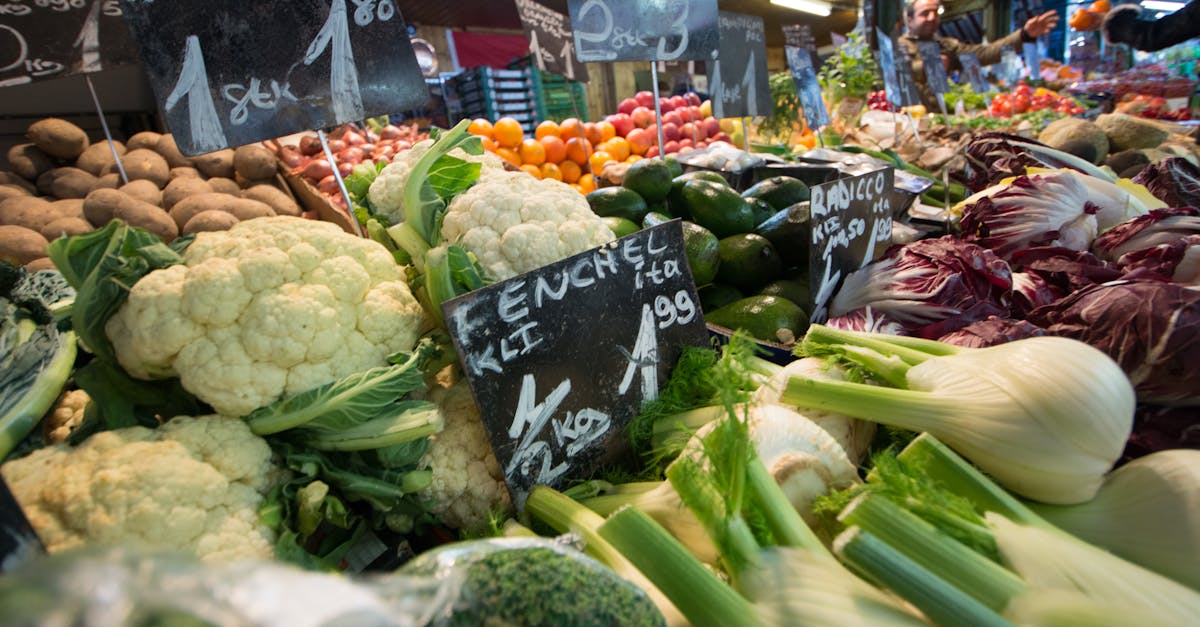
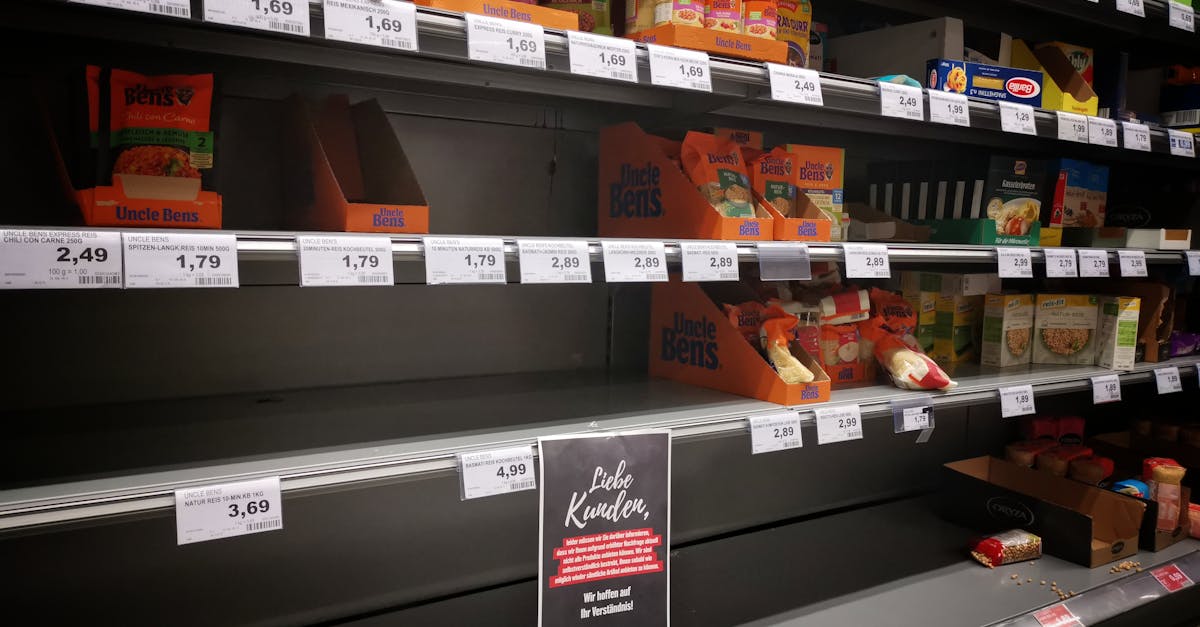
Underneath the national inflation narrative lies a distinct trend that goes largely unreported: the high resilience of essential goods versus the volatile prices of luxury items. Inflation’s stark impact on everyday essentials, such as groceries and fuel, has forced many consumers to tighten their belts. The BLS Consumer Price Index (CPI) showed food prices climbing significantly, with eggs shooting up approximately 16% year-over-year, leading families to reconsider dinner table choices. Conversely, luxury goods, often untouched by middle-class buyers, have witnessed price stagnation or even reductions, primarily driven by overproduction and supply chain corrections.
This trend illustrates an alarming disconnect; while the affluent may continue to enjoy their gilded purchases, the working-class struggles to afford basic necessities. Such discrepancies exacerbate economic inequality and spark widespread frustration, as many Americans find themselves increasingly disenfranchised from the growth narrative proclaimed by policymakers.
The Global Lens: A New Perspective on Inflation
Contrasting economic responses to inflation can offer more insight. In countries like Japan, where inflation rates hover near stagnation, consumers have adopted a cautious approach, opting for savings over spending. This starkly contrasts with American consumer behavior, where a buoyant labor market fosters an eagerness to spend despite rising costs. The juxtaposition showcases a sense of optimism in the U.S. economy that starkly differs from other parts of the world grappling with their own inflationary ghosts.
The Federal Reserve’s tightening measures also speak to this friction. While U.S. policymakers emphasize the urgency of controlling inflation through interest rate hikes, global economic dynamics complicate this path. Other economies are facing potential recessions, which could spark a chain reaction—an entangled web of inflationary pressures that transcends borders.
The Fork in the Road
As economic data continues to unfold, the pressing question remains: who will ultimately navigate out of this quagmire, and who will find themselves further entrenched in economic despair? The contrast between the working class and affluent consumers raises critical questions about systemic equity. Will inflationary pressures forge a path toward a more evenly distributed economic recovery, or will lingering tensions breed deeper divides?
With this unraveling economic narrative, the outlook remains clouded—one decision, one report, or one market shift could either bridge the gap or worsen it. Where this leads the U.S. economy, particularly as inflation affects human lives, awaits critical examination.