The Unexpected Stability Amid Rising Costs
Recent figures from the Bureau of Labor Statistics report an inflation rate holding steady at 3.3%. For many, this sounds like a victory after a rollercoaster ride through the pandemic years. Yet, beneath this seemingly stable figure lies an unsettling atmosphere of uncertainty and discontent. The numbers, while promising an alleviation of inflationary pressures, clash with the palpable anxiety felt by everyday consumers.
The Diverging Economic Realities
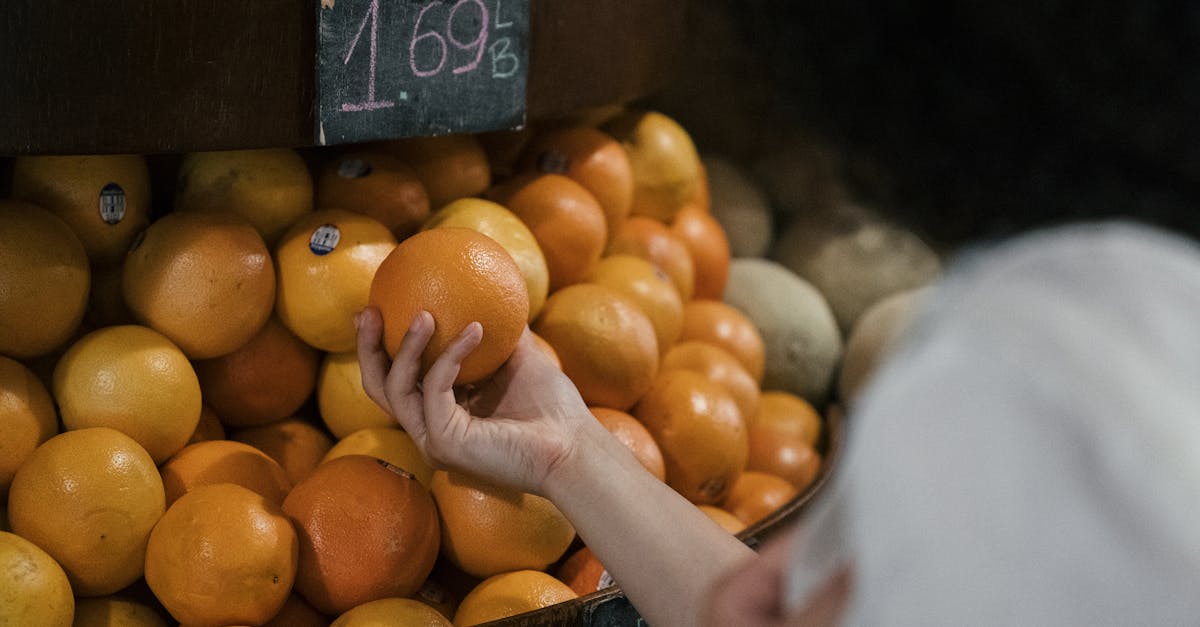
The narrative surrounding inflation often focuses on its average figure, but the reality for specific sectors and demographics paints a different image. The food index, for instance, has witnessed fluctuations that tell a more painful story. While the general inflation rate of 3.3% might imply a controlled economy, the food and beverage sector saw a hike of over 6%. This divergence reveals stark differences between the essentials consumers rely on and the broader averages touted by analysts.
Furthermore, regional disparities complicate the picture further. Cities like San Francisco and New York have consistently reported much higher inflation than less urbanized areas. In April, New York experienced a staggering 4.1% inflation rate, overshadowing the national figure and hinting at an urban-rural divide that could foster economic inequities. What does this mean for consumers? Those in high-inflation areas face a cost of living that climbs substantially faster than the national average, widening the gap between demands and earnings.
The Silent Squeeze: Hidden Inequalities
While headlines trumpet a moderated inflation rate, many stories remain unheard. Wage growth stagnation has emerged as a concerning undercurrent. Real average hourly earnings decreased by 1.0% over the year, adjusted for inflation. For the workers at the lower end of the wage spectrum, the sense of being squeezed intensifies. They might be witnessing growth in prices outpacing any nominal wage increases, resulting in a crushing decline in purchasing power.
Beyond the paycheck, the repercussions are visible in consumer sentiment. The University of Michigan’s consumer sentiment index has dipped, reflecting an erosion of confidence that often escapes the headline writers. When consumers expect inflation to continue creeping upward, their spending habits adapt, potentially stifling economic growth and resulting in a self-fulfilling prophecy of economic caution.
The Global Perspective: Are We Better Off?
Looking to other nations provides both a sobering context and a glimmer of hope. Most G7 countries are grappling with inflation rates significantly exceeding those of the U.S.; for instance, the UK recorded an inflation rate of 3.5% recently. Yet, countries like Japan continue to showcase historically low inflation figures. This disparity raises questions about monetary policy effectiveness and the potential for the Federal Reserve’s strategies to be tested against such diverse outcomes.
While the Fed sticks to its script of targeting a stable inflation rate close to 2%, is the current landscape an indication of that strategy’s effectiveness? Or could there be a tectonic shift needed to address unique domestic challenges?
What’s the Decisive Fork Ahead?
The question lingering in the air is how the Federal Reserve will navigate the tensions between stabilizing inflation and avoiding economic stagnation. As households feel the pressure of rising prices clashing against stagnant wages, policymakers face a decision: Do they continue on their current course, focusing on long-term stability, or pivot to short-term solutions addressing immediate consumer needs?
With consumers caught between conflicting forces of rising costs in essentials and systemic wage stagnation, the path forward isn’t clear. What then is the role of government intervention in such an intertwined landscape? As expectations continue to clash with reality, the decisive turning point may lie in how effectively the holders of economic power can balance stability with responsiveness.