Navigating the Inflation Puzzle: A Different Picture of Consumer Prices
Despite inflation recently stabilizing at 2.4%, the everyday experience of consumers tells a different story altogether. While policymakers and economists breathe a sigh of relief, many households are wrestling with rising costs that feel inconsistent with the reported figures.
A Tale of Two Economies
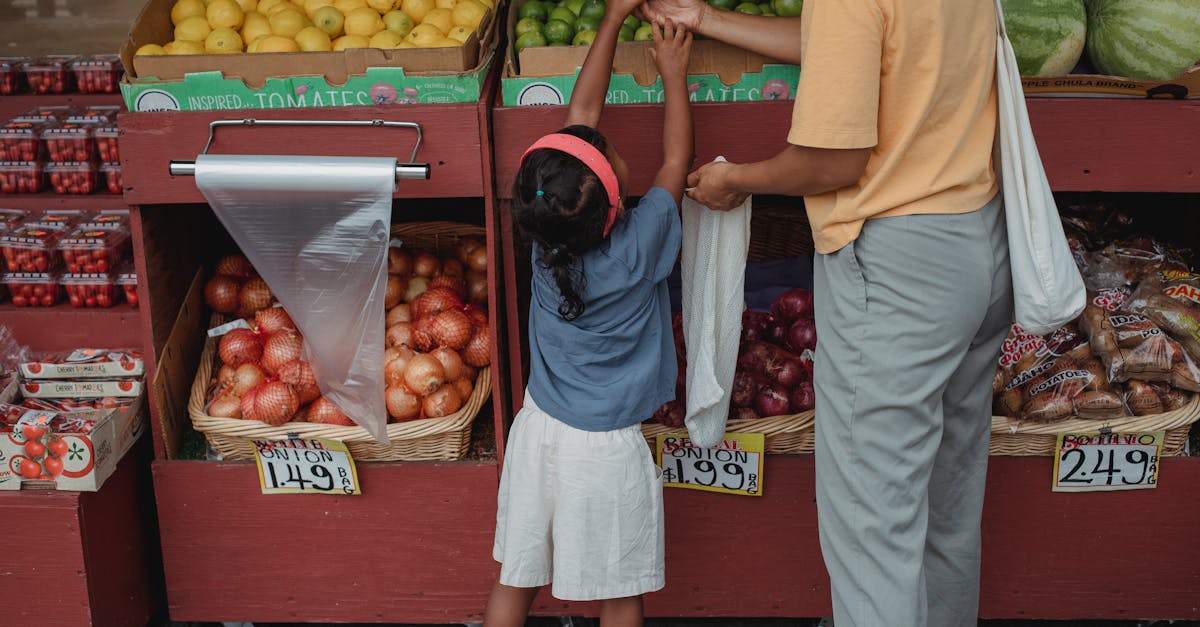
Expectations around inflation often clash with the realities faced by specific sectors and regions. Take grocery prices as a case study: While the overall Consumer Price Index (CPI) paints a benign picture with minimal fluctuations, the USDA reports that the cost of eggs, for instance, skyrocketed by over 70% across last year. Such discrepancies show that while the broad inflation metric may ease, budget-constrained families may see their grocery bills swell, alongside rising transport and healthcare costs. In a country marked by such stark geographical diversity, the notion of a unified economic experience becomes murky.
Contrasts also emerge when considering urban versus rural areas. The National Bureau of Economic Research (NBER) has pointed out that rural communities, often tethered to essential services and goods, face much higher relative price increases than their urban counterparts. The BLS may capture an average national figure, but it hardly reflects the struggles of those living in less metropolitan settings, where inflation bites deeper and harder.
Winners and Losers: The Hidden Dynamics
It’s readily acknowledged that inflation can produce winners and losers across various economic sectors. The energy sector represents a clear beneficiary, with oil and gas prices soaring by nearly 25% in the last fifteen months, benefiting producers while creating painful choices for everyday consumers. Alternatively, the technology sector, previously heralded for its deflationary effects, is beginning to see upward price pressures as supply chain constraints persist, leaving consumers grappling with higher costs for gadgets that once seemed immune to inflation’s reach.
While some sectors celebrate a recovery, others face stagnation. Rental markets illustrate this divide, with metropolitan areas watching rents creep upward while suburban and rural rents display greater stability. In cities like San Francisco and New York, where limited housing availability coexists with high demand, spikes in rental prices contribute significantly to the overall CPI — yet those same areas see displacement and affordability crises that complicate the narrative of a stabilized economy.
The Unseen Pressure Points
Beneath the surface of the macroeconomic data lies a more complex truth. The inflation statistics bandied about in major headlines neglect consumer sentiment and the emotional toll of rising costs. The University of Michigan’s Consumer Sentiment Index reflects a persistent pessimism around personal financial situations, even as government reports love to highlight decreases in the overall rate.
Moreover, core inflation measures that exclude food and energy often gloss over the lived experiences of millions who find these necessities rising agonizingly fast, leading to potential unrest as their disposable incomes dwindle. Critics argue that this lack of granularity in inflation reporting could mislead policymakers and lead to misguided economic strategies.
What Lies Ahead for Inflation?
The current landscape of consumer prices and inflation invites scrutiny and analysis beyond conventional metrics. With consumers increasingly vocal about the rising costs of essential services and goods, tensions between reported statistical health and lived economic experience are palpable. Rising inflation expectations may force the Federal Reserve to tread carefully as they calibrate interest rates in response.
As policymakers sift through conflicting narratives — maximizing growth against the backdrop of persistent inflation pressures and unequal recovery — one pressing question remains: Will they navigate these treacherous waters to ensure that the winners don’t always come at the expense of the most vulnerable? The decisive fork ahead will set the stage for both economic stability and social cohesion.