The Inflation Paradox: Who Gains in a 2.4% Economy?
The U.S. economy, proudly boasting a 2.4% inflation rate, appears stable. Yet, beneath this facade of equilibrium lies an unsettling contradiction: not everyone experiences this supposed prosperity equally. While consumer prices may be modestly contained on the surface, the realities faced by different sectors and communities tell a more intricate story.
Winners and Losers in Plain Sight
Consumer inflation has strayed from its usual narrative, impacting various sectors with an uneven hand. Retail sectors such as luxury goods continue to thrive, with figures revealing a 5% year-over-year increase in sales for high-end retailers. Meanwhile, essential goods and services are witnessing a more brutal inflationary pressure.
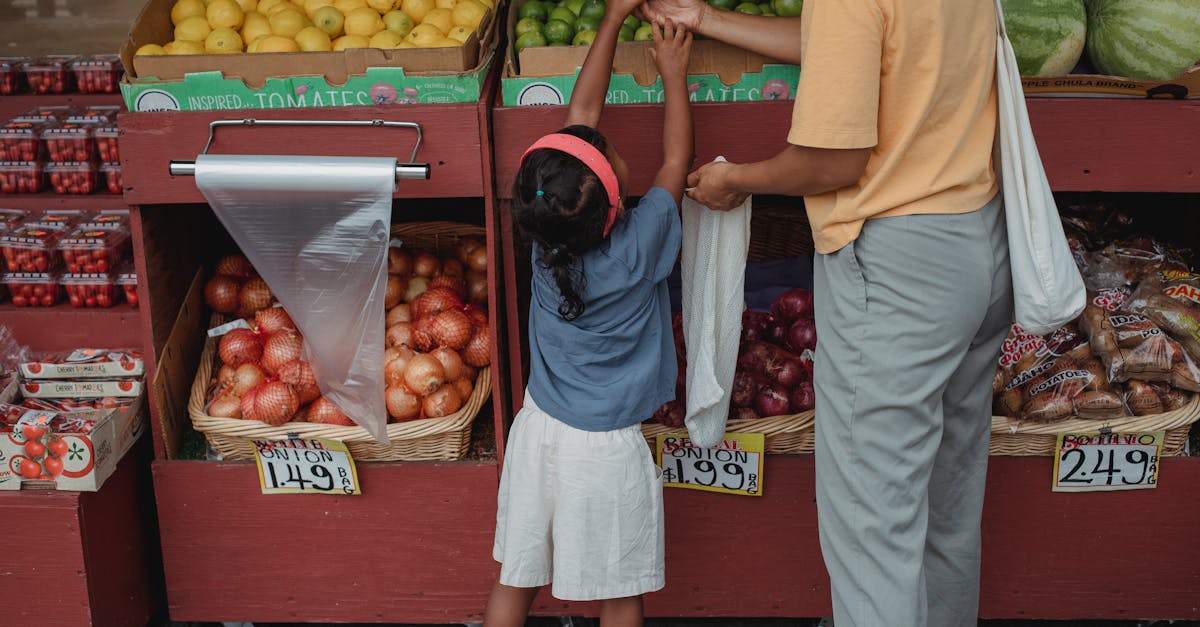
Food prices, for instance, have surged significantly—increasing by nearly 9% compared to last year, according to the Bureau of Labor Statistics. This inflation isn’t just numbers on a spreadsheet; it translates into real sacrifices for lower-income households, who are now spending a notably larger portion of their income on groceries. Are the economic analyses that frame the narrative solely through headlines even considering the plight of these consumers?
Geographies of Discontent
Zooming in on specific demographics reveals stark contrasts in experiences of inflation. Areas like urban centers have shown an alarming divergence from more rural locales. Major cities remain entrenched in higher costs due to rent and housing prices, which have increased by 13% in some cases. Meanwhile, smaller towns enjoy a more temperate climate with price increases closer to 1%. The media might trumpet the overall health of the economy, but which populations and regions are truly left behind in this unfolding story?
In imagining a North-South divide, the trend could offer a chilling glimpse into the future. The disparity suggests burgeoning divides could lead to economic migration, as those burdened by rising costs in urban areas may seek greener pastures in comparatively affordable regions. Is the United States at risk of fragmenting into economic silos, propelled by geographic disparities in inflation?
The Hidden Economies
Yet, whispers of another layer of this story haunt the headlines: the growing disparity between perceived inflation and actual consumer sentiment. A comprehensive look at inflation expectations provides a dissonance. Surveys conducted by the Federal Reserve indicate that while a rate of 2.4% seems manageable, a significant portion of the population perceives inflation to be much higher. This sentiment could discourage consumer spending—a terrifying thought when considering the consumer-driven nature of the American economy.
Additionally, lesser-known aspects like the rise of alternative currency systems and barter within communities are emerging as responses to these inflationary pressures, all pointing to hidden economies trying to escape traditional monetary constraints. This trend could represent not merely reactions to inflation, but also to deep-rooted discontent with the status quo.
Searching for the Decisive Fork
The present environment, with its 2.4% inflation rate, raises profound questions: Are we indeed witnessing an economy where the rich get richer while the poor shoulder a growing burden? How do we rectify the disconnected narrative of growth with the lived experiences of those grappling with rising costs? As sectors diverge and communities fracture, could we be approaching a major pivot in consumer behavior and economic structure?
Faced with these realities, how should policymakers capture the intricate tapestry of inflation’s impact? The answers elude easy categorization, urging a deeper examination of who exactly benefits from a stable inflation rate. In this landscape of contradictions, the ultimate dilemma reveals itself: will the economic clock align all citizens towards shared prosperity, or will it simply cement further divides among the winners and losers of today’s economy?