The recent inflation figure hovers at 3.3%, a statistic that might prompt sighs of relief for some while simultaneously igniting frustration for others. How can a number that appears manageable breed such starkly divergent feelings? The brewing tensions behind this data unveil a tapestry woven with winners and losers, expectations shattered against the unforgiving reality of consumer pricing.
The Chasm Between Expectations and Prices
In conversations around inflation, common anecdotes often paint an image of a general price rise that weighs equally on all consumers. However, a closer look reveals a nuanced reality. While the Consumer Price Index (CPI) indicates a moderate inflation, the cost dynamics differ significantly across sectors. For instance, energy prices surged by over 7% recently, while healthcare costs climbed by a staggering 5.2%. This disparity elucidates a troubling truth: when average inflation appears serene, certain demographics—particularly low-income households—grapple with much harsher financial burdens.
In certain regions, the picture takes on a different hue. States like California and New York experience cost-of-living adjustments that outstrip the national average, with housing costs rising nearly 4% in the last quarter alone. Meanwhile, comparative economic metrics reveal that some European countries are grappling with inflation rates as high as 6%. The singular narrative fails to convey the reality that inflation’s impact is not only regional but also socio-economic—therefore, who is deemed the ‘winner’ in this ongoing race against rising prices?
The Unspoken Trends: Shifts in Consumer Behavior
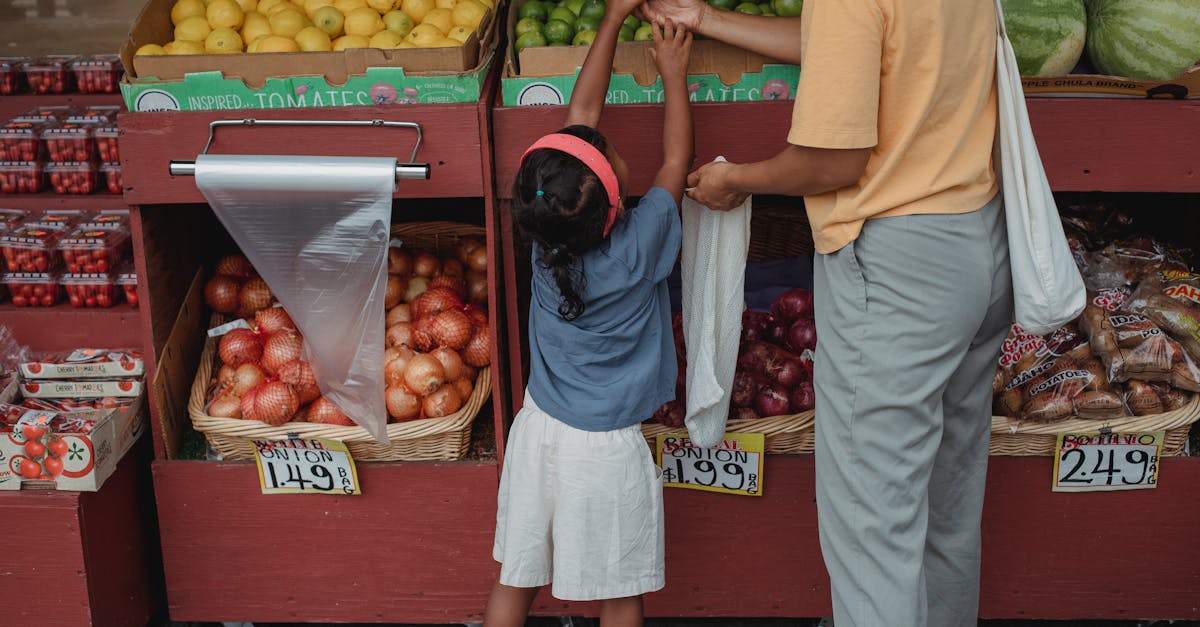
How often do headlines focus on the soaring inflation figures without alerting readers to the shifting consumer behaviors that accompany them? The growing inclination towards bulk buying and brand loyalty based on price sensitivity may be signs of a larger trend that isn’t immediately apparent. While the top-line inflation figures appear relatively modest, they fail to capture a surge in frugality among consumers.
According to the Bureau of Labor Statistics, spending on discretionary items has already begun to falter, with a notable 2.3% decline year-over-year in sectors like dining out and entertainment. This decline is seemingly juxtaposed to the stable inflation rate, hinting at a consumer psyche under siege. In a peculiar twist, while inflation may be rising slowly, consumer confidence is fast eroding—an instability that lies beneath the surface of steady metrics.
Income Inequality: A Starker Divide
To dissect the implications of inflation, one cannot overlook income inequality—an elephant in the room often skirted in policy discussions. Households in the lowest income bracket find themselves battling the fiercer side of inflation, wherein their spending is disproportionately burdened by rising food and transport costs. In contrast, wealthier individuals encounter a soft landing due to diverse investments and the ability to weather volatility with relative ease.
Both the Federal Reserve and the Bureau of Economic Analysis reflect this growing gap in dual narratives, where wealth accumulation continues in affluent areas while the lower-income groups experience a regression in purchasing power. The inflation statistics provide clarity on macroeconomic indicators while blurring the actual consequences on individual lives, suggesting that perhaps the true story lies not in the averaged figures, but rather in the multitude of human experiences behind those numbers.
What Lies Ahead? A Fork in the Road
As the United States navigates through these challenging economic waters, sharp questions loom larger than ever: If inflation stabilizes at 3.3%, does that mean the common consumer breathes easier, or does it mask deeper, latent problems that will surface once economic pressure cooker reaches a critical point?
Knowing that inflation possesses a dual face—offering ease to some while strangling others—one must ask which direction the financial winds will blow next. Is this the calm before a storm, or have we merely adjusted to a new, uncomfortable status quo? How prepared are we for the unexpected shifts that lie ahead in the mercurial world of consumer prices?