A Surprising Resilience Amid Rising Prices
The recent inflation figures present a baffling scenario: while the Bureau of Labor Statistics reports a rate of 3.8%, many consumers are feeling the pinch more acutely than ever. The average American might expect relief with only modest inflation on the books, yet daily encounters with soaring prices in essential goods leave many questioning this seemingly optimistic statistic. Why the disconnect?
Expectations Dashed by Reality
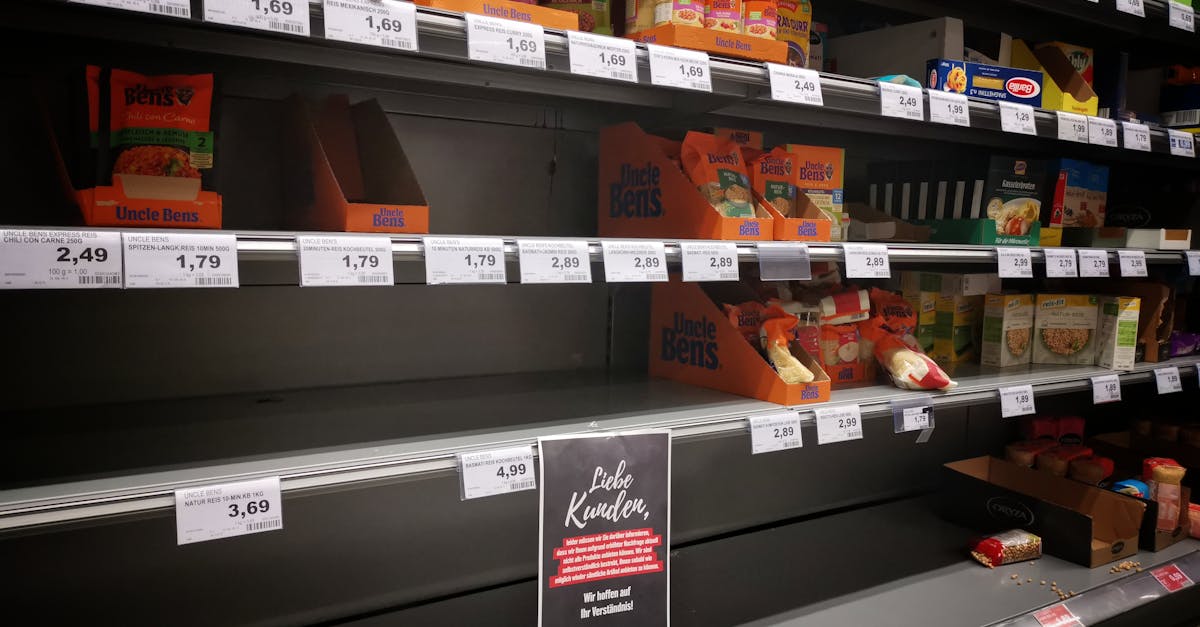
A glance at key sectors reveals a stark contrast between optimistic projections and the tough reality faced by households. While some areas, like technology and automotive, have experienced price reductions due to heightened competition and supply chain adjustments, basic necessities tell a different story. Food prices rose by 5.6% over the past year, and gasoline surged dramatically, affecting transportation costs. In stark terms, whereas inflation might average 3.8%, the wallet impact in staples can feel much sharper, especially among lower-income families who devote a larger chunk of their budget to essential items.
Across the Atlantic, European nations face similar inflationary pressures but with a different underlying dynamic. The European Central Bank has pursued aggressive rate hikes, leading to inflation rates that topped 4% in Germany. Yet, U.S. households exhibit a greater sense of immediate distress. Stimulus checks and economic recovery funds bolstered consumer spending during the pandemic, but these have transformed into haunting reminders of how quickly disposable income can dwindle in the face of persistent price hikes.
The Hidden Trend: Wealth Disparities and Inflation’s Toll
Less visible, yet equally impactful, is the discrepancy in inflation’s grip on wealth disparities. Wealthy consumers, less affected by general price increases, still navigate the market with savings bolstered by rising asset prices in equities and real estate. Middle- and lower-income Americans, on the other hand, feel the weight of higher consumer prices without the cushion of substantial savings or asset appreciation.
This is not merely a matter of perception; data reveals a dark undercurrent: the poorest households are spending a staggering 45% of their income on basic needs. As inflation pressures persist, these groups face choices between rent, food, and healthcare—essentially forcing many into a corner. As wealth concentration continues to rise, those at the bottom report feelings of economic anxiety that run far deeper than what the average inflation rate suggests.
The Rate-Raising Dilemma: A Complicated Fork
The Federal Reserve’s response to rising inflation has been methodical, nudging interest rates higher to cool off spending and bring prices back in line. Yet, each rate hike comes with its own set of repercussions. Higher borrowing costs threaten to stifle growth and send the U.S. economy into a slowdown. The paradox becomes clearer: the very measures designed to battle inflation can exacerbate the suffering of vulnerable demographics.
As policymakers grapple with ensuring a healthy economy while controlling inflation, the effects are felt unequally. Large corporations boasting healthy profit margins can weather high-interest storms, while small businesses face unpredictable consumer spending. The resilience of the elite amid inflation poses troubling questions about long-term economic equity.
What Lies Ahead in This Economic Maze?
As inflation continues to forge its complicated path, a decisive fork awaits. Will economic policy prioritize aggressive rate hikes to battle rising consumer prices, inevitably widening the chasm between the wealthy and the underprivileged? Or will there be a pivot towards supporting vulnerable populations to foster more equitable growth? The answers lie within a national dialogue balancing economic stability against the urgent reality of everyday Americans feeling an inflation realty far harsher than the reports suggest.
Ultimately, do policymakers dare to embrace a path that addresses the lived experiences of Americans struggling day-to-day, or will the focus remain on abstract economic indicators? This choice may shape the nation’s economic landscape for years to come.