A Tangled Web of Opportunity and Burden
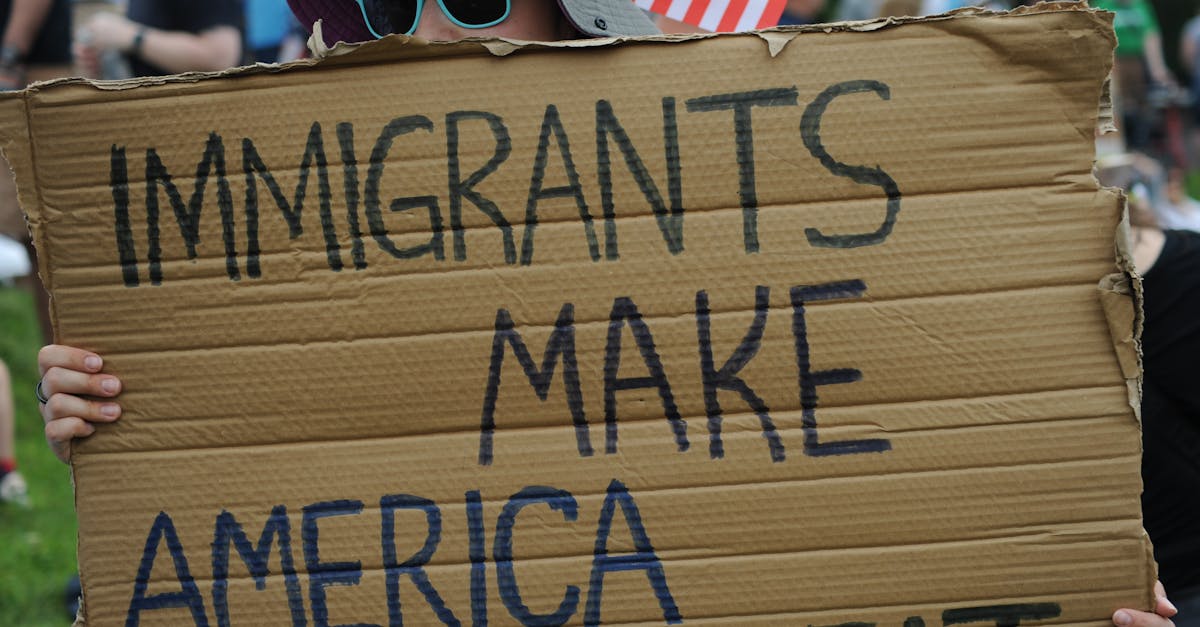
For many, the role of immigration in binding a nation’s economy seems straightforward: newcomers fuel growth, spur innovation, and fill labor gaps. Yet, the data paints a more complex picture that reveals surprising contradictions. In a country suffering from an unemployment rate hovering around 4.3% and inflation at a moderate 2.4%, the narrative of overstretched job markets and economic strain imposed by immigration comes into question. Are we, in fact, witnessing an influx of labor that invigorates growth, or are certain sectors grappling with competition that leads to disenfranchisement?
Searching for the Silver Lining
Immigration has traditionally been viewed through the lens of workforce expansion: businesses gain access to a broader talent pool and consumers benefit from increased diversity in products and services. Consider the tech sector, where an estimated 20% of the workforce is foreign-born. As the economy showcases resilience despite the challenges posed by rising interest rates—currently at 3.64%—technology companies continue to innovate and adapt, drawing strength from their immigrant talent.
Yet, in more traditional sectors such as manufacturing and agriculture, the story takes a different turn. Despite the promise of job creation, many American workers in these industries have found themselves competing with immigrant labor willing to accept lower wages. This has led to a paradox: while some businesses thrive, many American workers feel left out amid economic policies that favor capital over labor. By analyzing the local labor markets in states like Michigan versus California, the disparities in how different regions manage immigration’s impact become starkly apparent.
The Untold Effects on Wages and Stability
Under the radar, another trend unfolds. The narrative surrounding immigration often overlooks wage stagnation for lower-skilled workers, specifically in industries most affected by the influx of foreign labor. The Economic Policy Institute reports a downward pressure on wages for native workers without college degrees. While some sectors report robust employment numbers, the reality for many seasoned workers and entry-level positions shows wage growth stalled and opportunities diminished.
In the very industries where immigration serves to alleviate labor shortages, existing American workers sometimes find their bargaining power eroded. With tensions rising, economic stability appears intertwined with public sentiment about immigration—casting shadows on policies meant to unify.
Beyond Borders: Lessons from Abroad
Looking internationally, some other developed nations have attempted to strike a balance between welcoming immigrants and safeguarding local employment. Countries like Canada have focused on a points-based immigration system, seeking to attract skilled workers while aiming to protect native job markets. In stark contrast, the U.S. immigration policies often appear fragmented, as attempts at comprehensive reform meet significant political hurdles. Why has a more coherent approach been so hard to achieve? Can a nation as large and diverse as the U.S. adopt successful strategies from its peers?
The Uneasy Path Ahead
As the debate continues, the question looms larger: who truly benefits from immigration? While elites and businesses may see gains in productivity, many working-class Americans wrestle with increasing competition and stagnant wages. The looming economic pressure and rising interest rates only add to the uncertainty, potentially exacerbating existing divides.
Is the U.S. economy resilient enough to integrate immigration effectively, or will the widening rift between economic winners and losers only deepen? With pressures mounting from both sides, the pivotal choice may not lie in facts and figures but in the guiding principles of how we value labor, community, and growth in an increasingly interconnected world. What trade-offs are we willing to make, and who will ultimately bear the cost of our immigration policy?