A Debt of Epic Proportions
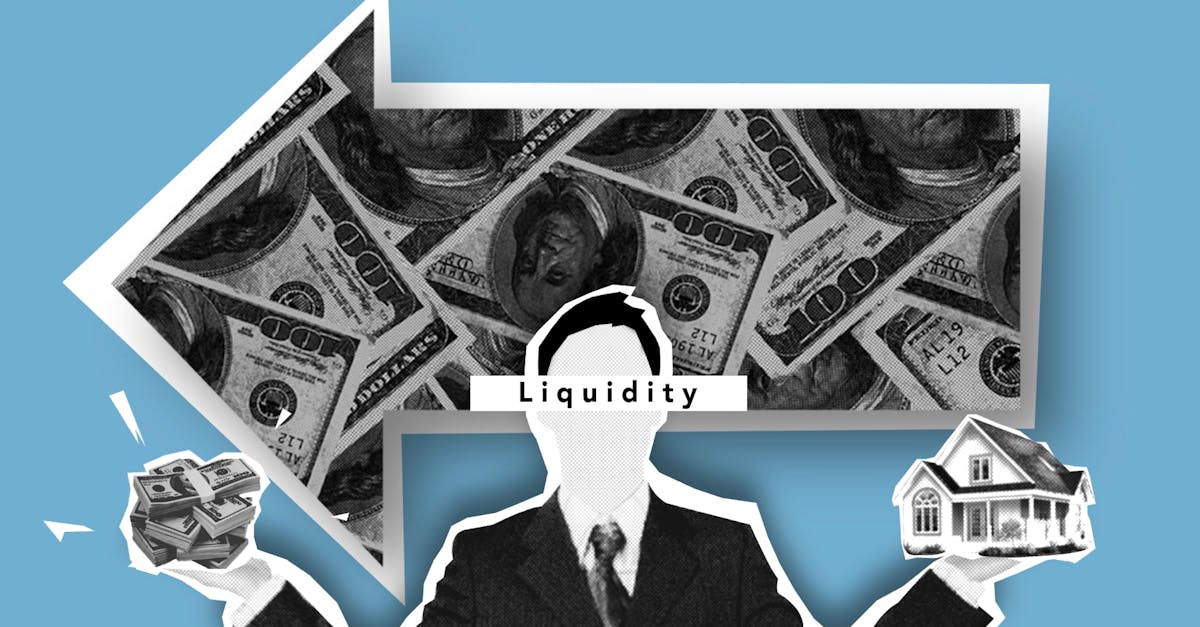
$31.5 trillion — that’s the staggering figure representing the United States’ national debt as of the third quarter of 2023. This number translates to about $94,000 for every man, woman, and child in the country, placing a heavy burden on future generations and raising alarms about fiscal sustainability.
The debt has surged by approximately $1.5 trillion since the onset of the COVID-19 pandemic, driven primarily by fiscal stimulus efforts aimed at cushioning the economic blow. These initiatives included direct payments to individuals, extended unemployment benefits, and support for businesses, all designed to soften the sharp economic contractions seen in early 2020.
The Ripple Effects of Excessive Debt
A rising debt-to-GDP ratio, now hovering around 125%, indicates that the nation is leveraging its economic strength to finance expenditures at unprecedented levels. Such ratios spark debates among economists; while some argue that low-interest rates create a window of opportunity for borrowing, others warn that continued expansion could lead to higher future tax burdens and decreased governmental flexibility.
The Congressional Budget Office (CBO) projects that if this trend continues unabated, interest payments alone could consume a significant portion of federal revenue, eclipsing spending on critical areas such as education and infrastructure. For the everyday American, this prospect translates to potential increases in taxes or cuts in services down the line.
Interest Rates: The Unknown Variable
As the Federal Reserve grapples with inflationary pressures, hikes in interest rates are being deployed as a countermeasure. Currently, the effective federal funds rate sits at about 5.25%, a significant increase since the historically low levels seen just a few years ago. Higher interest rates mean pricier debt servicing costs, and the math gets complicated for both the federal budget and individual borrowers.
For homeowners and consumers, rising rates often restrict borrowing capabilities, leading to suppressed consumer spending. The paradox here is that while the government aims to rein in inflation by controlling its own costs, citizens face a tightening financial landscape contributing to a potential slowdown in economic growth.
The Human Element Behind The Data
For many families, the implications of a deepening fiscal crisis are felt acutely. A recent report from the Bureau of Labor Statistics indicated that inflation-adjusted wages have stagnated, eroding the purchasing power of the typical American household. With prices rising in essentials like food, gas, and healthcare, households are increasingly squeezed, leaving less room for discretionary spending.
The strain can lead to greater demand for social services, placing further pressure on government finances. As states and localities face their own budget constraints, coupled with a mounting federal debt, the collective fiscal strain could mean fewer resources for schools, transit systems, and public safety.
Planning for Tomorrow Amid Uncertainty
The path forward includes grappling with budgetary choices that reflect national priorities. Lawmakers must consider the delicate balance of fiscal responsibility against the need for investment in long-term growth and infrastructure that can help stimulate future economic prosperity.
As discussions unfold on Capitol Hill around raising the debt ceiling, and potentially cutting spending in certain areas, the outcome will shape the American economic landscape for years to come. Policymakers and citizens alike must prepare for the challenges ahead, as the intricate dance of fiscal policy continues to evolve in an unpredictable environment.