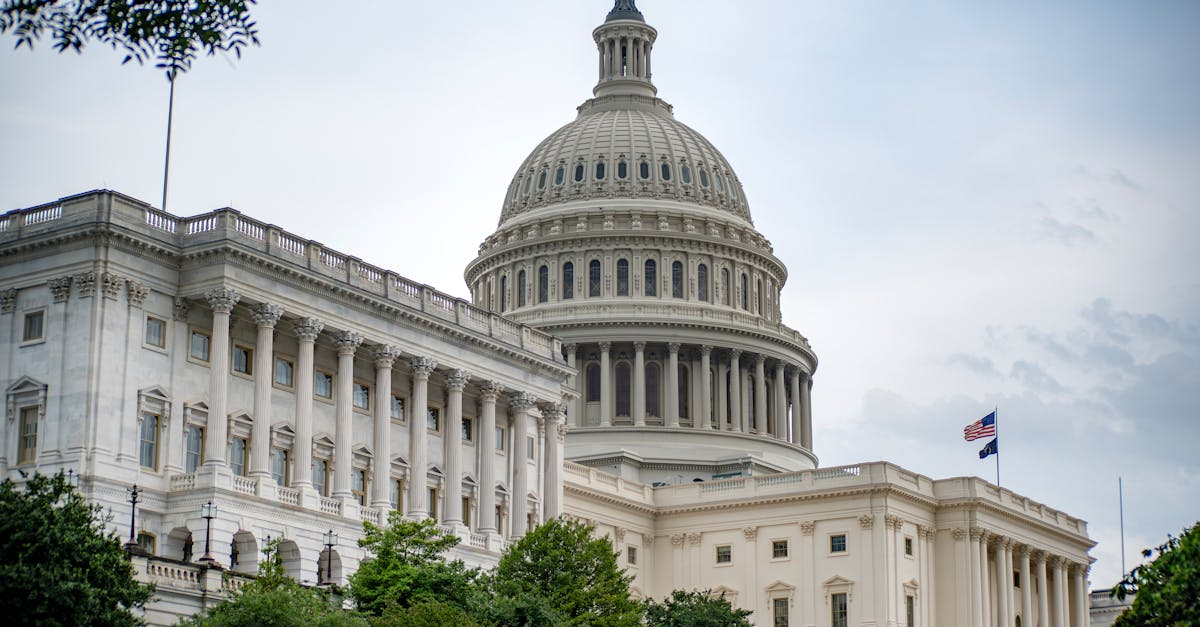
The Imbalance of Fiscal Policy: America’s Growing Debt Dilemma
$33 trillion. This staggering figure represents the United States’ national debt, which has surged beyond $33 trillion for the first time in history, illustrating not only a financial milestone but also a growing crisis in fiscal policy. As of the end of September 2023, the debt is hovering around 125% of GDP, a level not seen since World War II, raising red flags about the sustainability of government spending.
This mounting debt comes as the federal government grapples with soaring expenditures across various sectors. In fiscal year 2023 alone, the government spent $6.4 trillion yet collected only $4.9 trillion in revenue, creating a yawning deficit of $1.5 trillion. With interest payments on the debt nearing $600 billion, the fiscal landscape is painted with alarming shades of red, prompting concerns about potential cuts in essential programs or increased taxes in the future.
The Ripple Effect of Spending
While much of this spending is credited to relief efforts during the pandemic and rising national security expenditures, the implications are profoundly personal. As the Federal Reserve raises interest rates to combat inflation—now pegged at around 3.7%—average Americans’ borrowing costs continue to climb. A $30,000 auto loan, with an average interest rate of 6.8%, now translates into monthly payments almost 20% higher than just a year ago.
Moreover, rising interest rates on federal debt inject uncertainty into economic growth. A decline in consumer confidence often follows these trends, with retail sales experiencing a slowdown of 0.3% in August 2023, as reported by the U.S. Census Bureau. Households, feeling the strain of increased borrowing costs, are cutting back on spending, leading to a potential ripple effect through the economy.
Future Generations at Risk
The interplay between fiscal policy and future generations cannot be understated. An ever-increasing debt burden raises a pressing question: Who will bear the cost? Young Americans may face diminished opportunities as the government reallocates tax revenues to paying off interest. Notably, the Congressional Budget Office projects that federal debt held by the public could eclipse 180% of GDP by 2033 if current policies remain unchanged.
Such figures resonate alongside growing concerns over entitlement programs. The Social Security trust fund is expected to deplete its reserves by 2034, leading to potential cuts in benefits unless reforms are enacted. For millions, this presents a sobering reality of declining financial support in their retirement years.
Engaging with Debt Discourse
Public discourse around fiscal policy is increasingly vital for driving change. Citizens must engage with the complexities of federal budgeting and hold representatives accountable. The Citizen’s Budget Commission has developed public outreach programs designed to demystify government spending, empowering voters with knowledge to make informed decisions that prioritize fiscal sustainability.
Pushing for transparency in budgeting processes and advocating for data-driven fiscal policies can help bridge the gap between policymakers and constituents. Given the serious implications of rising debt on social services and infrastructure, the time for proactive engagement is now.
The path ahead is brightly lit with discussions about sustainable fiscal solutions and the potential for reform.