A New Benchmark: 3.64% Interest Rates
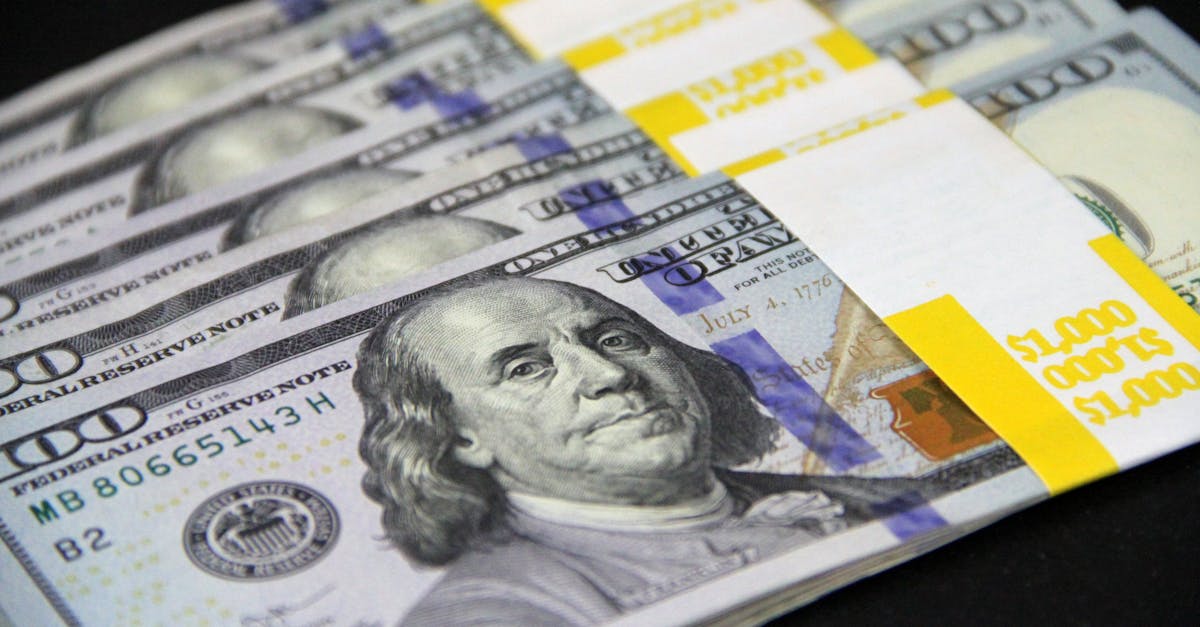
The Federal Reserve has set the interest rate at 3.64%, representing a pivotal shift in monetary policy aimed at combating inflation that has gripped the economy. This latest decision comes after a series of incremental rate hikes, reflecting ongoing efforts to stabilize prices without stifling growth.
Sizing Up the Impacts
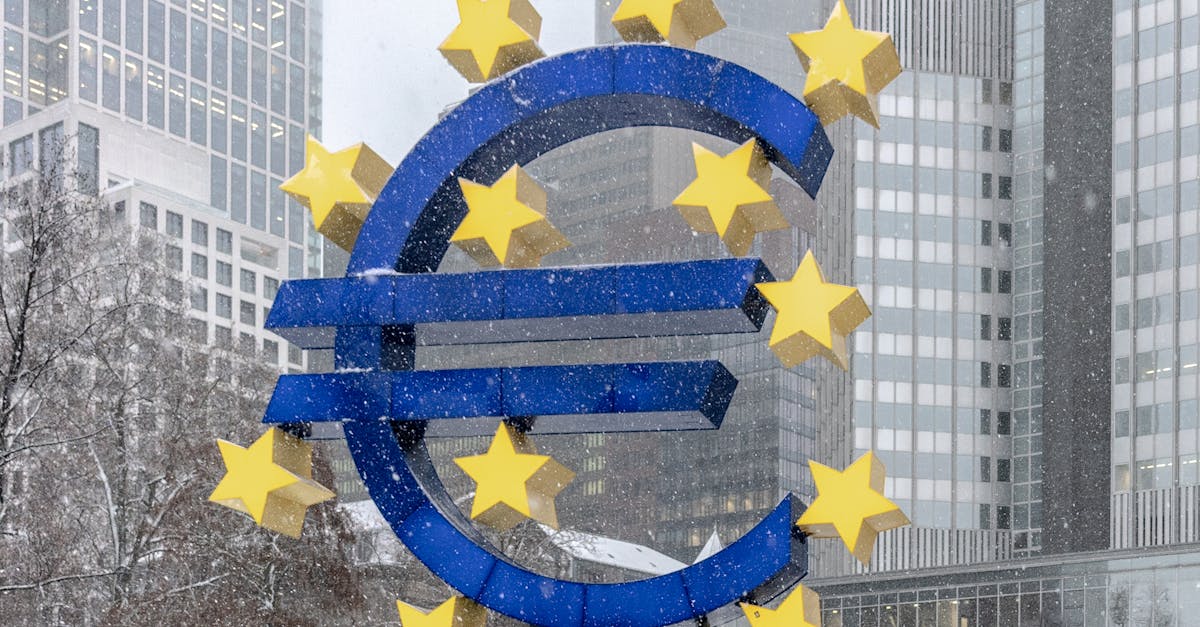
In just a year, the Fed’s rate adjustment has spurred debate about the balance between controlling inflation and supporting economic expansion. Last January, the Federal Open Market Committee (FOMC) held rates at a historically low level, around 0.25%. The aggressive hikes mark an unprecedented shift as the Fed endeavors to navigate the economic complexities post-pandemic. Comparatively, major economies like the European Central Bank and the Bank of Japan have adopted slower rates of tightening, with rates hovering at 3.00% and 0.10%, respectively. This places the U.S. in a unique position where the mix of a strong dollar and higher borrowing costs has sparked both investment caution and potential capital inflow, seeking better yields in the face of global economic uncertainties.
Inflation Under Pressure
With inflation rates peaking above 9% last summer, the targeting of a 2% inflation rate remains a delicate balancing act. CPI inflation eased to around 3.7% as of September 2023, showcasing the effectiveness of the Fed’s stringent policies. However, despite some improvements, inflation still poses a significant threat, particularly in categories like housing and energy, where price fluctuations are sharper and can derail recovery efforts. Data from the Bureau of Labor Statistics indicates that energy prices surged approximately 25% year-over-year, substantiating fears that monetary policy alone may not suffice.
The Tension Between Growth and Restraint
Economic growth for the U.S. has shown resilience, with GDP expanding at an annualized rate of 2.7% in Q4 2023. Yet, rising interest rates often translate into higher borrowing costs for consumers and businesses alike. The real estate market, a key indicator of economic vitality, is already exhibiting signs of stress; mortgage rates have surged due to the Fed’s adjustments, leading to a notable decline in home sales and significant contractions in housing starts.
Credit and Consumer Behavior
Consumer behavior has necessitated closer scrutiny as high-interest rates begin to affect spending patterns. The National Retail Federation reported that consumer confidence has dipped in light of increased costs in various sectors, prompting a shift from discretionary to essential spending. Retail sales growth is projected to slow considerably from the 7% seen a year prior, indicating that tight credit conditions are already modifying consumer habits and overall economic health.
A Glimpse into the Crystal Ball
Looking forward, the future trajectory of interest rates may be as unpredictable as ever. While the Fed has indicated a desire to temper inflation without plunging the economy into a recession, the recent 3.64% figure establishes a new cornerstone for economic discussions. This landscape invites speculation—will the Fed sustain its current course, or will it pivot in response to emerging economic signals? Stakeholders will need to remain vigilant as shifting currents in both domestic and global economies could redefine the rules of engagement for the Fed’s monetary policy.
Each interest rate decision reverberates through the economy, influencing everything from housing affordability to business investment decisions. As the clouds of uncertainty gather, one sentiment prevails: vigilance and adaptability will be essential in navigating the strategic choices that lie ahead.