A Family’s Financial Journey
Meet the Harris family of suburban Minnesota—Dan, a school teacher, his wife Lisa, a healthcare worker, and their two teenage children. The Harrises made significant sacrifices in recent years to invest in their future, but like many families, they found themselves watching the stock market as keenly as their favorite sports teams. With the recent turbulence and fluctuations of the market, their aspirations now hang in the balance, firmly tethered to economic figures they have only casually glanced at in the past.
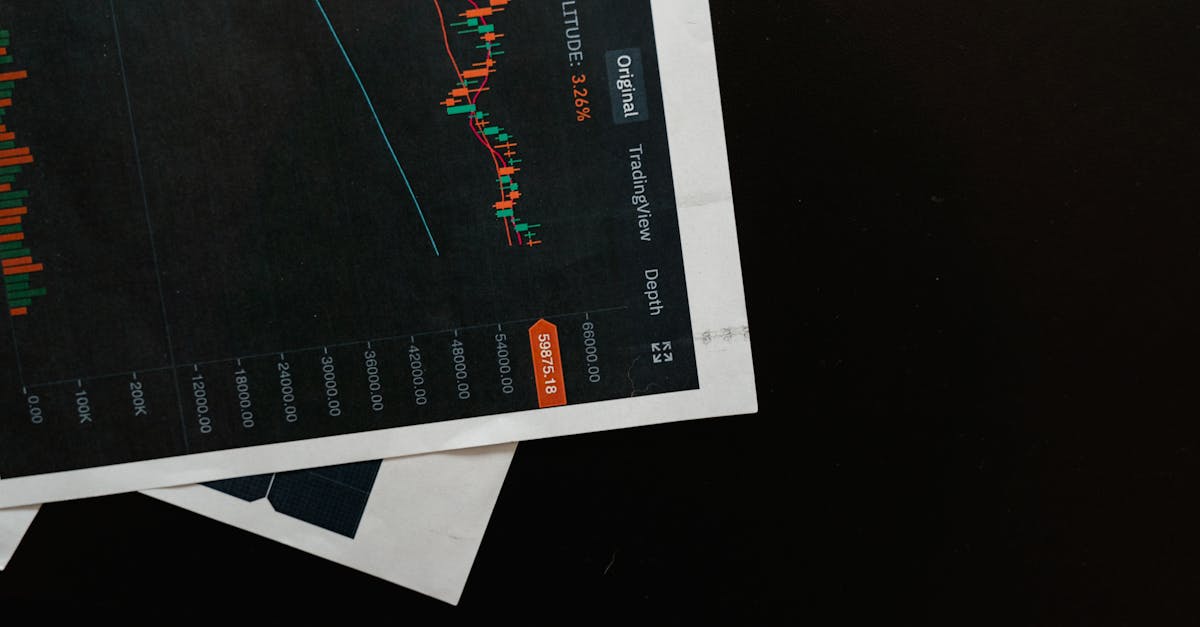
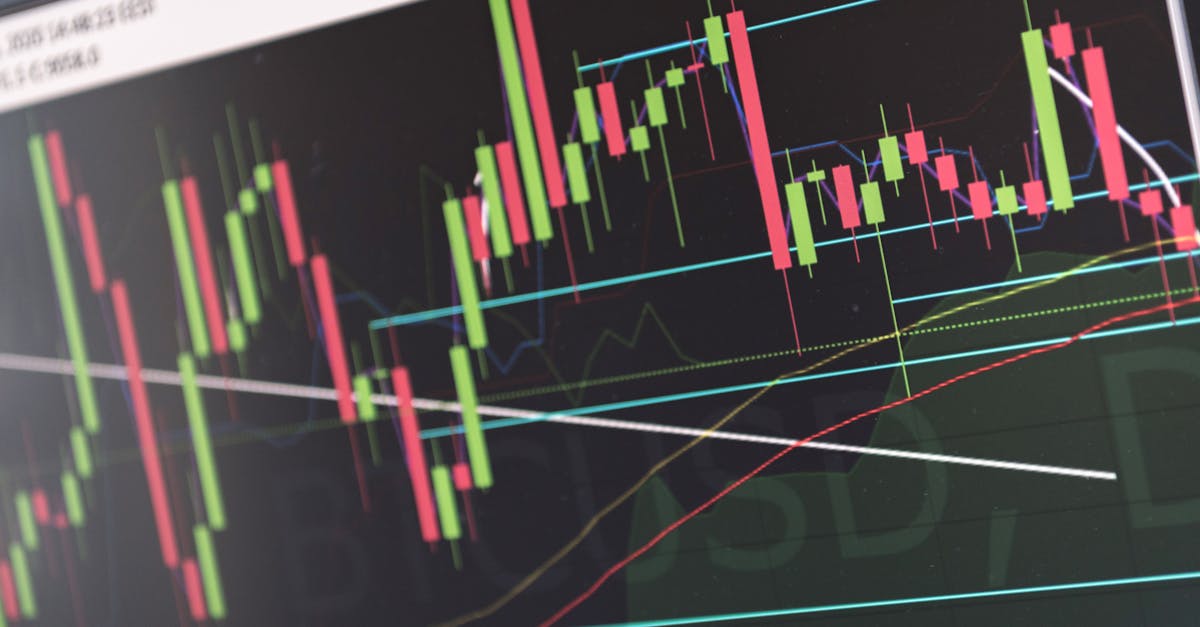
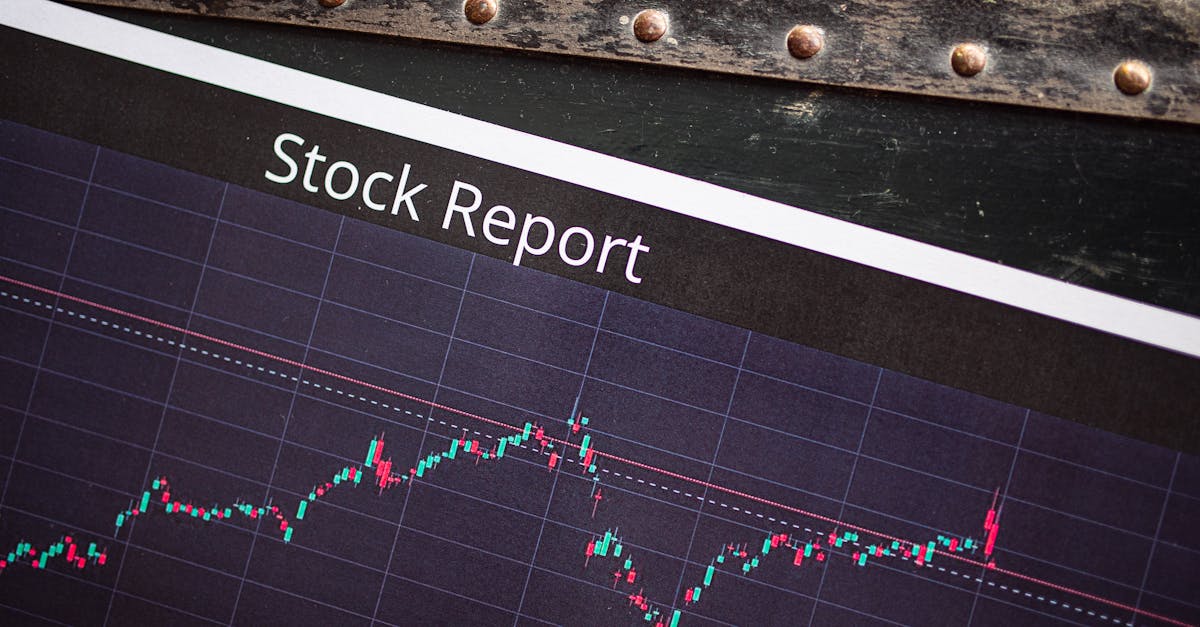
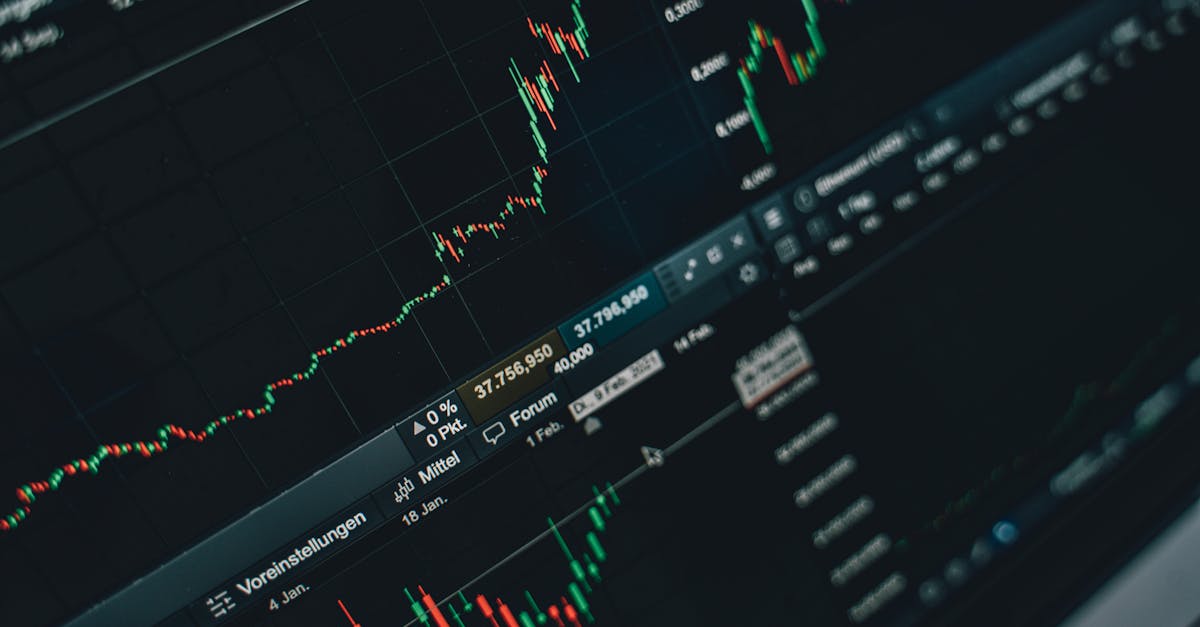
On a sunny Saturday morning, Dan and Lisa sit at their kitchen table glancing at the red and green charts on their laptops. The S&P 500 index, often a barometer of the market’s health, has been a tale of two cities this past year. At its peak, the index gained substantial ground but has since faced a notable decline, which is making them uneasy about their investment in an index fund tied closely to it.
The Harrises are not alone; as they review their investments, they are also influenced by other economic conditions drummed into the news cycle. Inflation sits at 3.3%, a reality that makes groceries and everyday expenses feel heavier than ever. If they were to assume their current purchasing power is edging down by this rate, it gives even more urgency to make those investments grow.
Market Performance Versus Costs of Living
Using some calculations over their coffee, Lisa points out that with $20,000 tucked away in their investment accounts, a 10% return could yield $2,000 unexpectedly, resembling the bonuses Dan’s school sometimes offers for extracurricular activities. But all that optimism feels counterbalanced by the current unemployment rate of 4.3%. While Dan’s job seems stable, knowing there’s a heightened state of job uncertainty in other sectors has him worrying about the economic undercurrents. If more households face job insecurity, consumer spending—which makes up 70% of the U.S. economy—could suffer, prompting a chain reaction that may affect their own financial choices.
Meanwhile, Fed interest rates have climbed to 3.64%, making borrowing less attractive. For the Harrises, the ability to invest seems critical. The family remembers the summer when they hesitated on buying a new family car because the financing fees felt astronomically high. They wonder if it’s now worth waiting for rates to dip before taking on more risk—that is, investing in emerging tech stocks, once a hotter prospect that has since cooled.
The Emotional Rollercoaster of Investment Decisions
Even among the unease, the stock market does remind the Harrises of a collective gamble; like placing bets on a game they enjoy watching. Last year, they celebrated as their index fund surged, feeling almost like sports fans shouting at the referees for the good plays. Yet, with the latest dip causing them to reevaluate, a familiar sense of dread sets in. Will they see a return toward the heights they once enjoyed, or is this a prolonged dip?
Not far from their home, a neighbor’s son, in his twenties, recently lost his job in the tech sector. That news, coupled with the overall trends from the stock market, reinforces the Harrises’ wariness. They shoot passive glances at the news, where commentators provide reassurances, yet outside their household, the numbers tell a different—more unpredictable—tale.
Reflections in the Living Room
As the evening settles in, Dan and Lisa gather the family to discuss their financial strategy. The children wonder aloud why the stock market feels like such a formidable force, not realizing how deeply interconnected their family’s well-being is with these figures. The Harrises articulate that investing is about understanding trends—not merely numbers on a screen, but a complex story shaped by consumer demand, employment landscapes, and the interest rate horizon.
Together, they decide to continue with their implementation of a dollar-cost averaging plan, adding a small amount to their investments each month, based on a strategy that practices patience amidst uncertainty.
In tackling their family’s financial outlook, the Harris household reflects a microcosm of many American families navigating a complex financial landscape that oscillates with every data snapshot released by authorities. With a blend of hope, careful planning, and cautious optimism, they realize they are not just investing in the stock market—they are investing in the trajectory of their family’s future.