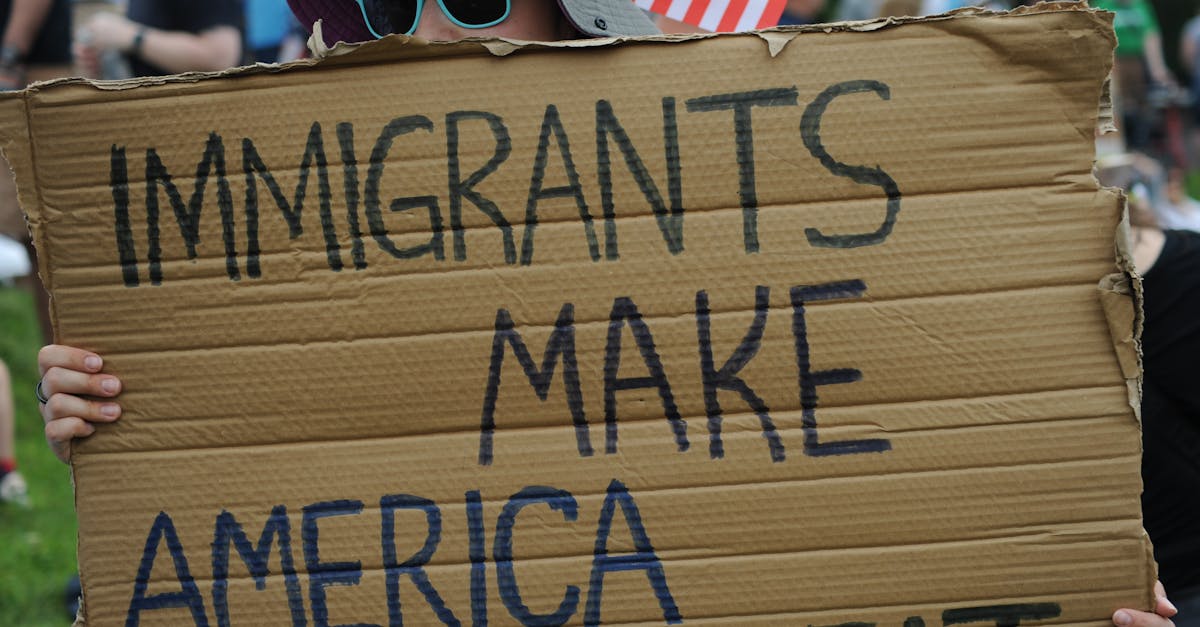
Promises vs. Realities: The Immigration Paradox
The narrative surrounding immigration often paints a rosy picture of economic vibrancy—new businesses sprouting, job vacancies filled, and cultural dynamism. Yet, just beneath the surface lies a starker reality; for many, the economic impact of immigration remains a double-edged sword. In recent Bureau of Labor Statistics data, inflation stands at 3.8%, alongside an unemployment rate of 4.3%. These numbers reflect not just the health of the economy but also the challenges of job competition, particularly in regions heavily impacted by inflows of immigrants.
Sectoral Disparities: The Winners and the Left Behind
Immigration’s boon is widespread in tech and service sectors, yet it often comes at the expense of blue-collar workers. For example, the construction and agriculture industries—traditionally reliant on immigrant labor—have rebounded with a surge of workers, leading to expanded output. Nevertheless, the Economic Policy Institute has pointed out that the wage growth in these sectors remains stagnant, with increasing inflation chipping away at real earnings. The question remains: Who truly benefits from this influx?
This contrasts sharply with sectors like manufacturing, where automation and shifts in consumer demand have extensively displaced American workers. Here, job vacancies left by automation are not often filled by immigrants, revealing a dichotomy between sectors thriving from immigrant labor and those that are increasingly vulnerable.
Hidden Trends: The Overlooked Costs of Growth
While policymakers and advocates herald the contributions of immigrants to GDP growth, what’s often unspoken is the pressure they place on local infrastructures. In urban centers, where immigrant populations frequently congregate, rising demand has outpaced supply for housing and public services—contributing to inflationary pressures in those markets. The urgency of this dynamic is striking; in New York City, for instance, median rent increases have outstripped wage growth for the last five years. This pressure on local economies can spark resentment among long-term residents, often leading to backlash against immigration policies.
Moreover, the eye-catching statistic from the Federal Reserve indicating an interest rate of 3.64% hints at broader monetary implications driven by demographic shifts. Higher rates are a tool engineered to combat inflation but could also stifle economic growth, particularly in communities already coping with the strain of immigration.
A Global Lens: Learning from Other Nations
Comparatively, Canada’s immigration strategy, which emphasizes skilled labor, offers a striking counterpoint to the U.S. experience. While Canada invites high-skilled workers who fill critical vacancies without suppressing native wages, America’s approach is more mixed. This raises the provocative question: can the U.S. recalibrate its policies to better match the balancing act exhibited by nations such as Canada? Would a more structured immigration path yield greater dividends for both immigrants and the native-born population?
The Deciding Fork: Who Shapes the Future?
As discussions about immigration wash over Capitol Hill, the core tension remains: can the United States derive equitable benefits from immigration while minimizing its adverse consequences? With inflation hovering at 3.8%, unemployment at 4.3%, and interest rates pushing upward, the intersection of immigration policy and economic strategy demands critical reassessment. The decisive fork lies not just in who arrives at America’s shores but in how they are integrated into a changing economic landscape. Will the future be one of mutual prosperity or heightened division? As policymakers strive to balance these contrasting outcomes, the answers will resonate long beyond the next election cycle.