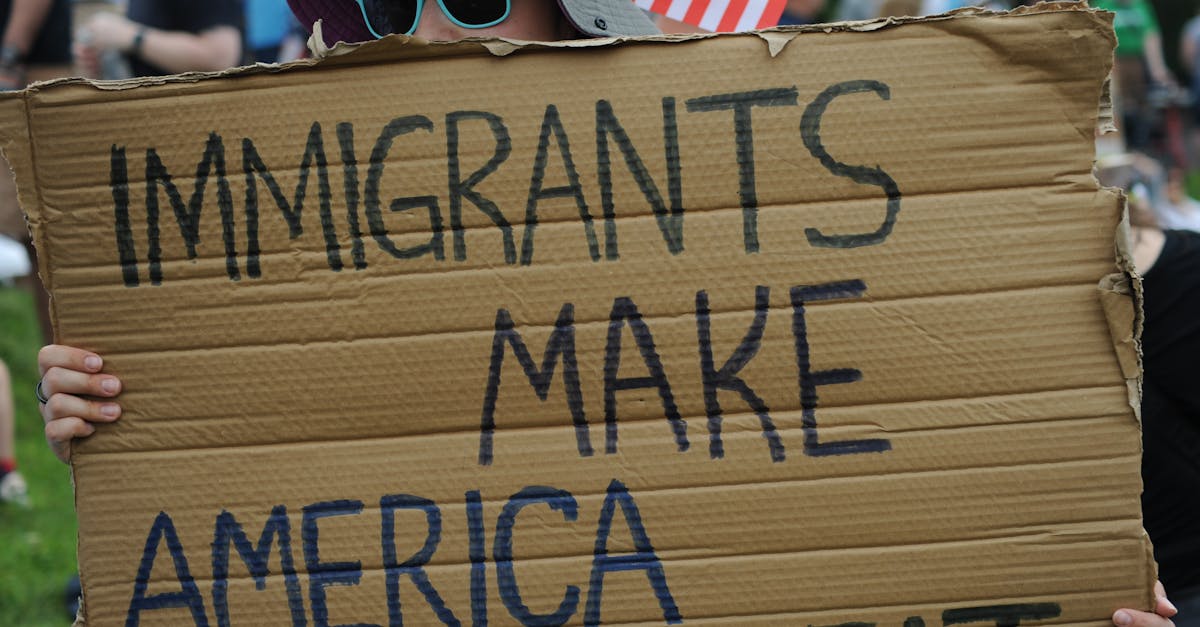
The U.S. economy, often held up as a beacon of entrepreneurial success and growth, finds itself in an ironic pickle — while policymakers trumpet immigration as a key driver of economic dynamism, a significant portion of the native workforce begs to differ. The dichotomy is stark: could the influx of foreign labor be enhancing productivity in high-skilled sectors while simultaneously eroding wages in low-skilled jobs?
A Closer Look at Economic Expectations
Proponents of a liberal immigration policy often forecast an increase in GDP, arguing that foreign workers supplement labor shortages and help sustain growth. Data from the Bureau of Economic Analysis reveals that GDP growth remains solid, with projections hinting at a robust trend. However, some sectors are experiencing contrary effects. The BLS reported a 4.3% unemployment rate, but in low-wage industries such as hospitality and retail, many American workers report stagnating or declining wages. It raises a critical question: who reaps the economic rewards, and who bears the brunt?
When juxtaposing metropolitan areas that tend to attract immigrants with regions that see less inflow, the divide intensifies. Cities like Austin have thriving tech sectors drawing skilled labor but also face rising housing costs and stretched public services. On the other hand, rural areas lag with declining populations and stagnant job markets, raising apprehension about immigration’s role as a catalyst for economic rejuvenation.
Hidden Figures Beneath the Surface
Beneath the headlines claiming economic robustness, another level of complexity emerges — it’s the invisible dynamics of wage disparity and employment quality that seldom captures public focus. As inflation rates hover around 4.2%, driven partly by rising costs that correlate with increased demand for goods and services, tensions brew around how this affects different demographic groups.
Low-wage workers, particularly in sectors dependent on immigrant labor, face mounting pressure as their purchasing power shrinks. Citing the latest data from BLS, while many high-skilled immigrants excel in contributing to their fields, lower-skilled sectors are seeing a dilution of job quality and, consequently, a persistent cycle of economic fragility for American workers. The prosperity reflected in national GDP figures does not tell the whole story.
Economic Comparisons and Cultural Tensions
Globally, the U.S. stands out against other developed nations, like Germany and Canada, which portray clearer pathways for immigrant integration and labor market stability. In contrast, the U.S. struggles with a patchwork of policies, leaving many immigrants and native workers in competitive limbo. Interest rates are currently at 3.63%, with the Fed signaling upward adjustments to counter inflation — a monetary tightening that could especially stifle the very sectors where immigrant workers are most prevalent.
Diverging trajectories become evident when comparing immigration roles: in countries with more holistic integration policies, worker productivity tends to rise in tandem with cultural acceptance, circumventing many of the wage pains faced in the United States. The notion that immigration alone propels economic success may not only mislead but also risks further alienating segments of the native population.
Where to From Here?
As policy discussions heat up, the question lurks ominously — will America continue to embrace immigration as a means of revitalizing its economy, or will the differentials in worker experiences provoke deeper societal rifts? The economic landscape is undeniably multi-faceted, wherein immigration serves as both a catalyst for growth and a source of contention.
Perhaps the decisive fork in the road lies in the balance that policymakers strive for: how to nourish economic growth without compromising the security and livelihoods of native workers. As data reveals discontent among a labor force increasingly feeling the pinch, the urgency for a coherent strategy that addresses these growing disparities becomes paramount.