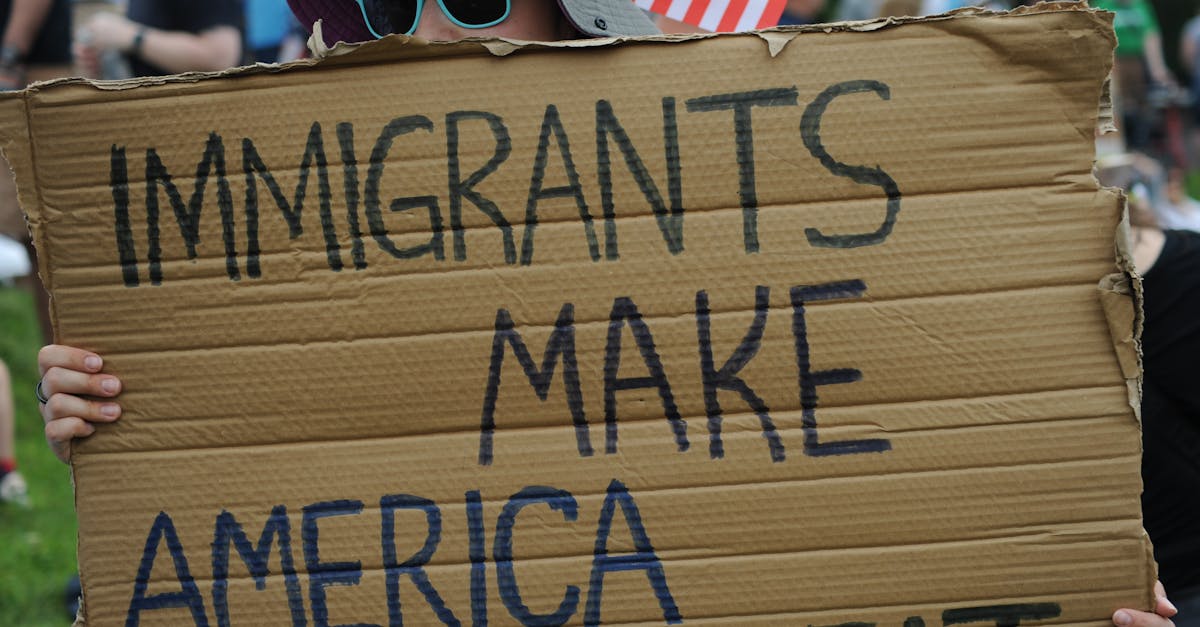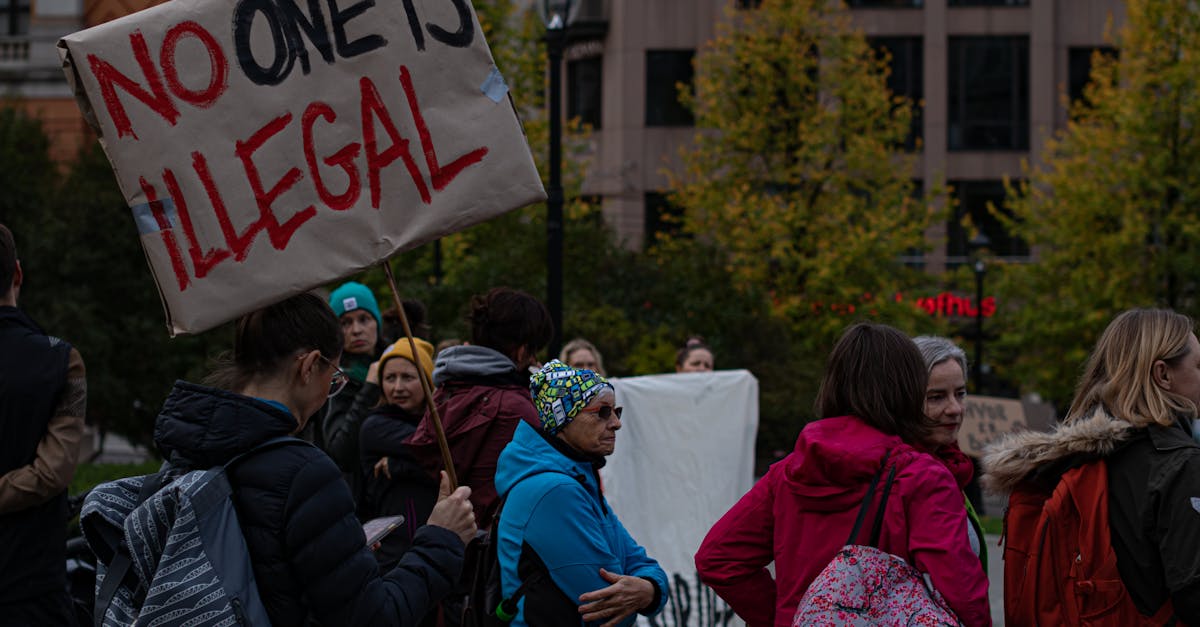
A Surprising Economic Paradox
The narrative around immigration in the United States often paints a vivid picture of clear-cut benefits or destructive consequences. Yet, the reality suggests a more intricate tapestry woven from both opportunity and disruption. U.S. unemployment stands at 4.4% and inflation is noted at 2.4%, suggesting an economy on the mend; yet, could the same immigration policies that bolstered certain sectors also lead to turmoil in others?
Winners and Losers: Economic Disparities Unveiled
In sectors such as technology and healthcare, immigrant workers serve as catalysts, filling gaps critical for innovation and patient care. According to the Bureau of Labor Statistics, the tech industry has seen rapid job growth, climbing by over 18% last year alone, attributed largely to the influx of skilled foreign workers. However, this boom casts shadows elsewhere. Regions reliant on lower-skilled labor—particularly in manufacturing and agriculture—find themselves in tension as competition from immigrant labor drives down wages. For example, job openings in these areas are often met with stagnating salaries, leaving many domestic workers disillusioned.
International comparisons add another layer of complexity. Countries like Canada and Australia, known for their more systematic approaches to immigration based on skill assessments, have seen more immediate positive economic impacts. In contrast, the U.S. experience is marred by polarized public opinion and policy uncertainty, which has impeded the potential benefits from being fully realized.
The Unseen Burden: A Hidden Economic Narrative
While the spotlight often shines on immigrant contributions to the economy, a substantial hidden trend emerges from the data. Beyond visible successes, there are underlying strains on public services and housing markets in areas experiencing rapid immigration. Despite overall economic growth, cities like San Francisco and New York have observed housing prices escalating at rates outpacing income growth, further exacerbating issues of affordability for both migrants and long-standing residents. According to the Federal Reserve, housing cost burdens are particularly acute in densely populated regions, where the influx of immigrant populations has contributed to increased strain on resources.
Breaking this cycle is not just an economic imperative but a moral one, as communities grapple with whether their infrastructure can bear the brunt of larger populations. The Federal Reserve noted a tightening supply in housing, with interest rates recently at 3.64%, which hinders new construction projects, further deepening the crisis.
A Divide in Expectations: Economic Policy and Ground Realities
Policy expectations and the lived realities of both immigrant workers and local populations starkly diverge. Legislative efforts often promise comprehensive reforms that address labor shortages while also providing pathways to stability for migrants, but the outcomes remain mired in legislative gridlock and political maneuvering. The anticipation of robust economic growth, propelled by newly adopted immigration measures, stands in contrast with the ongoing volatility in sectors not equipped to absorb rapid demographic shifts.
This gap begs scrutiny: why do we see legislation aimed at facilitating immigration meeting with resistance from local workers who feel the repercussions most directly? The heart of the matter lies in the balance between economic aspirations and local realities, where the absence of robust social safety nets significantly complicates the landscape.
The Decisive Fork: Where Do We Go From Here?
Are we designing a system that fosters growth through diversity, or are we perpetuating an environment where the rewards remain concentrated among a select few, leaving others in the shadows? As discussions around immigration policy intensify, we stand at a crossroads. The approach taken could either bridge the widening economic divides or entrench them further.
The potential benefits of immigration dwarfed by localized challenges leave us pondering a pivotal question: Can the U.S. cultivate an immigration policy that harmonizes economic growth with equitable welfare for all?