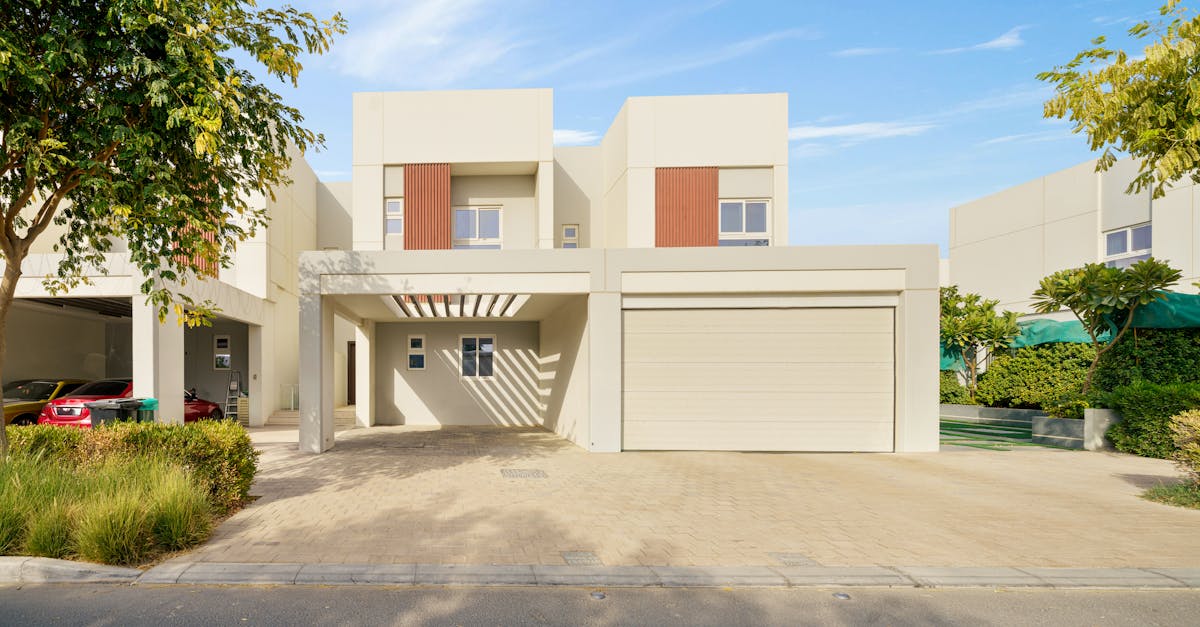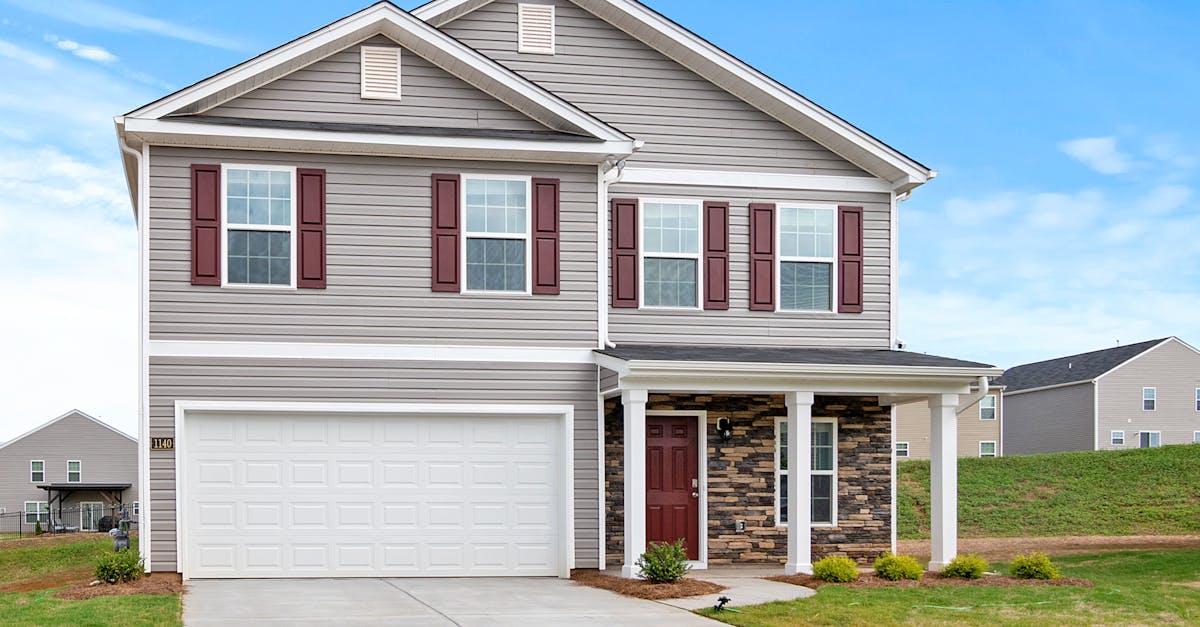
$405,000
This figure represents the median sale price of a home in the United States as of September 2023, up from $356,000 a year earlier. With housing prices still climbing amid elevated interest rates—hovering around 7.5% for a 30-year fixed mortgage—homeownership has become increasingly elusive for many families, dramatically reshaping the market landscape.
The Federal Reserve’s aggressive approach to controlling inflation through rate hikes has sent mortgage borrowing costs soaring, yet the demand for homes remains robust. In August, existing home sales dipped by 0.7%, proving that while buyers are feeling the pressure of higher monthly payments, many are unwilling to retreat from the market, driven by the necessity of housing and lingering supply constraints.
Despite these challenges, the current inventory of homes sits around 1.1 million, a stark 17% drop compared to pre-pandemic levels. Properties are still flying off the shelves, with homes on the market concluding contracts in just 22 days on average. The reasons are complex—job growth in metropolitan areas continues to add urgency as more individuals and families seek to secure shelter.
Compounding Forces
Inflation, which has settled near 3.7% year-over-year, plays a dual role in this equation. While it compresses disposable income, it also pushes investors into the housing market as a hedge against eroding purchasing power. This scenario has intensified competition over available homes, further driving prices upward.
The median listing price in the Midwest increased by an astonishing 19% compared to last year, illustrating how variations in local markets can amplify national trends. Those regions experiencing job booms, like Texas and Florida, are witnessing prices soar, contrasting sharply with areas where population decline prevails.
The Rent Dilemma
Rental markets are also feeling the burden of these dynamics. As of August, the national average rent surged 10% compared to a year prior, hitting approximately $2,050 per month. This has sent many renters scrambling for housing stability, causing upward pressure on homeownership demand as people attempt to escape the rising cost of renting.
In such an environment, potential homebuyers are finding themselves increasingly squeezed between high rent and high mortgage costs. Many have been driven to consider alternative living arrangements, leading to a boom in multi-family units as developers rush to meet this growing demand.
Navigating the Landscape
Each prospective buyer faces a unique calculus in this market: do they take the plunge now, securing a property but likely enduring steep monthly payments, or do they hold off, hoping for a price correction that might never materialize? This reluctance to enter the housing market has led to a growing divide between those who can weather financial headwinds and those teetering on the edge of affordability.
If demand remains resilient while supply continues to dwindle, home prices may not drop significantly. As the economy adapts to higher interest rates and consumers recalibrate their expectations, the housing market stands poised for multiple paths forward. With both opportunity and risk looming, the next few months could prove decisive for many navigating this intricate landscape.