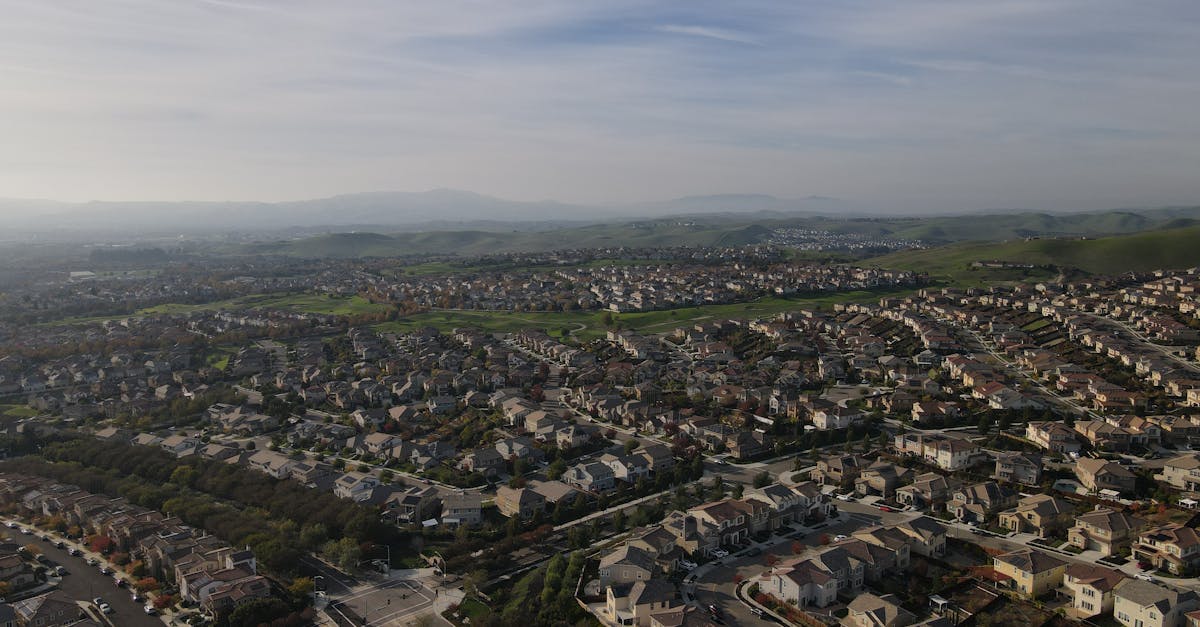
A Surge Like No Other
The U.S. housing market is experiencing a staggering resurgence, evidenced by a remarkable 8.6% increase in home prices over the last year, according to the Federal Housing Finance Agency. To put that into perspective, this surge has pushed the median home price in the United States to approximately $400,000, making homeownership increasingly elusive for many.
The Big Picture
With the Federal Reserve’s aggressive interest rate hikes aimed at countering inflation, buyers are facing elevated borrowing costs. The average mortgage rate recently soared to around 7.5%, the highest level in over two decades. This means that a prospective first-time homebuyer now has a monthly payment that is about 30% higher than at the same time last year, limiting options and straining budgets.
Consequences on Affordability
For many in the market, particularly younger buyers and those making entry-level incomes, the combination of rising home prices and soaring mortgage rates translates to a daunting affordability challenge. The National Association of Realtors indicates that over 50% of new listings are out of reach for the typical consumer, who according to recent BLS wage data, saw only a modest wage growth of 4.4% over the past year. The math simply doesn’t add up, creating a widening gap between potential buyers’ purchasing power and the current market reality.
A Shift in Homebuyer Demographics
As affordability deteriorates, demographic shifts are also underway. Millennials, who previously dominated the market as first-time homebuyers, are increasingly turning to rental options in light of their inability to secure homes. Rental prices continue to climb as well, with average monthly rent now hovering around $2,000, as stated by Zillow. This is pushing renters to seek locations further from urban centers, often leading to longer commutes and shifts in lifestyle preferences.
The Impact on Housing Supply
Homebuilders, grappling with rising material costs and labor shortages, completed fewer new homes in recent months. The latest Census Bureau data shows that housing starts in September dropped by 9.8%, presenting a dire landscape for those hoping for increased inventory to relieve pressure on home prices. This stagnation exacerbates the mismatch between supply and demand, further entrenching high prices.
Potential Economic Ramifications
The ongoing affordability crisis risks cooling the traditionally robust housing market, which had been a significant driver of the U.S. economy. According to the Bureau of Economic Analysis, residential investment’s contribution to GDP saw a decline in the second quarter, signaling potential repercussions for broader economic growth as housing becomes less accessible.
What This Means for You
For potential buyers, being strategic is key. Exploring options like co-buying or different locations can present viable avenues for homeownership. On the other hand, current homeowners may benefit from the appreciation of their property values, but refinancing presents its own challenges due to high rates.
The Path Forward
As the effects of the Federal Reserve’s monetary policy continue to reverberate, the housing landscape remains in a state of flux. Both buyers and sellers are left navigating a complex web of challenges as the market recalibrates amidst rising costs and changing demographics.