The Morning Coffee Break with Uncertainty
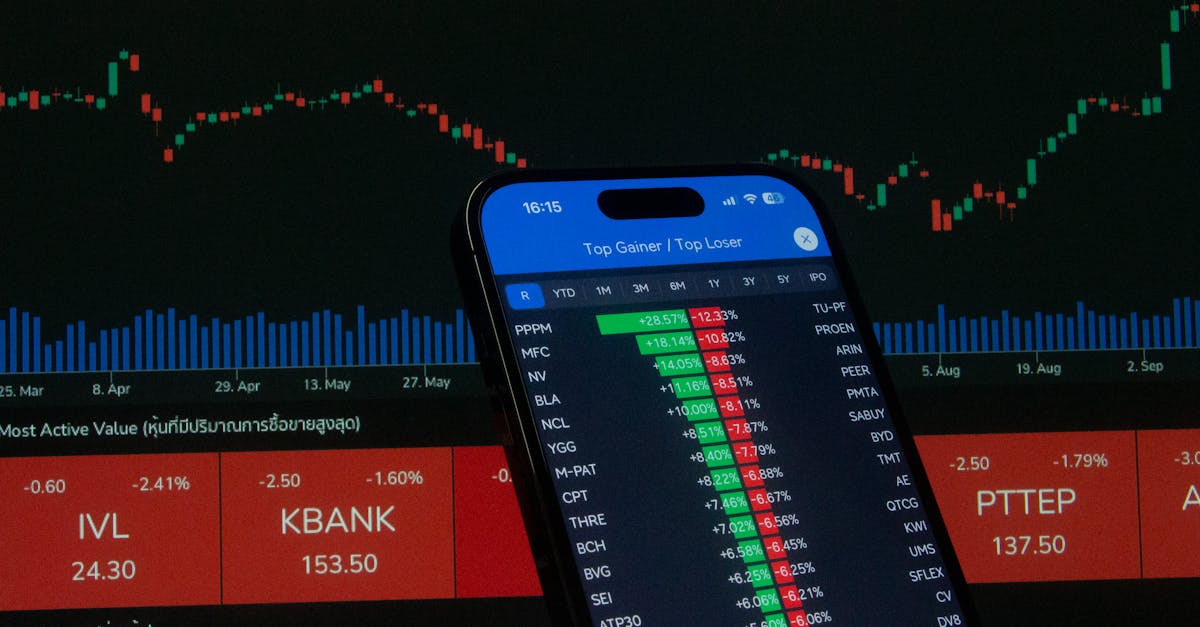
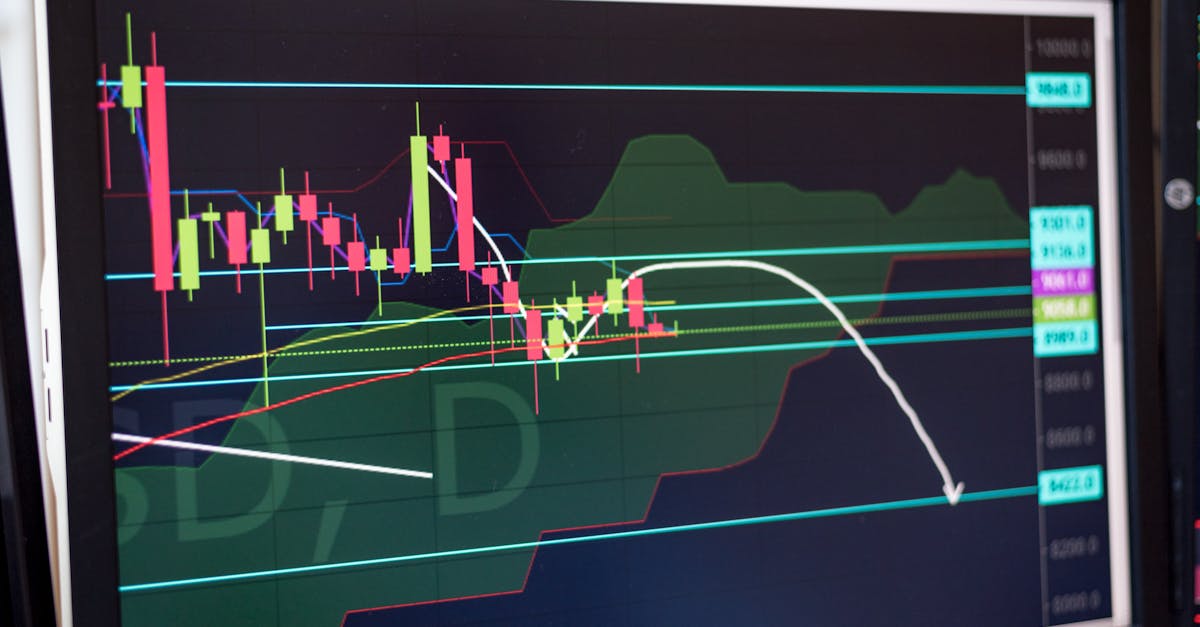
Imagine Sarah, a 38-year-old mother of two, sipping her morning coffee while scrolling through her phone. Her husband, Mike, a supervisor at a local factory, approaches with a worried look. Last night’s stock market plunge has caused a stir in their household. Mike’s 401(k) invested in various companies succumbed to fluctuations, now down 15% from its peak just months ago. As the S&P 500 continues to volley between gains and losses, the couple faces decisions that could impact their family’s financial future.
The family’s anxiety isn’t without merit. The stock market’s behavior often serves as a barometer of broader economic health. Currently, inflation hovers at 3.8%, raising costs for everyday goods. The couple noticed chopped prices at the grocery store, where cereal boxes seem smaller and prices feel heavier. Even their family vehicle’s mpg metrics pale in comparison to the increased gas prices that follow inflationary pressures.
Day-to-Day Survival Against a Backdrop of Charts
The couple’s stability is mirrored in economic reports: unemployment stands at 4.3%. While this figure reflects a seemingly robust job market, individuals like Mike feel the malleability of job security amid fluctuating economic conditions. Competition for jobs remains fierce, even as companies struggle to align wages with the persistent upswing in inflation. For Sarah, who manages freelance marketing from home, the stock market’s fluctuations are not just numbers on a screen. They represent the demand for consumer goods that drive clients’ budgets, affecting how many hours she can secure.
Interest rates also paint a picture of constrained growth; positioned at 3.64%, borrowing costs keep creeping up just as the couple considers buying a larger home to accommodate their growing family. Sarah remembers a time, not long ago, when mortgage rates were at historic lows. Conversations about investing in a new property turn difficult; the potential return on investing in real estate feels fragile, much like today’s volatile stock market.
The Market’s Pulse and the Future of Investments
For families across the country, the stock market’s pulse represents both opportunities and threats. The narrative twists and turns like a rollercoaster as investors experience anxiety over potential recessions, often triggered by central bank policies aimed at controlling inflation. They find themselves asking whether they should dive into the stock market or retreat into safer investments, reminiscent of a board game where each move can significantly alter their financial dimension.
Yet, as Sarah digs deeper, she discovers a silver lining. Lower stock prices could present an entry point toward purchasing undervalued technology stocks or investing in diversified mutual funds that, in the long run, could provide wealth-building opportunities. If the family can endure this financial storm—perhaps weathering a couple of lean months—they could capitalize on the rebound.
Hope on the Horizon
As the morning sun filters into the kitchen, Mike and Sarah draw a plan. They take tangible steps, such as establishing a stricter budget and considering index funds rather than riskier individual stocks. With faith in the resilience of the market bolstered by historical performance, they realize that their investment journey resembles a marathon, not a sprint.
Reverting back to their morning chat, the couple’s worries seem somewhat alleviated. They are learning not just to react to the fluctuations but to adapt. For now, they commit to their financial strategy while deeply cognizant of the intricate web that binds stock performance, inflation rates, and their everyday lives.
Sarah smiles while reassessing the grocery list, fortifying their resolve to approach both the family’s budget and investments with calculated optimism. As the market continues to shift, so too will their strategies, ultimately steering them towards a brighter economic horizon.