An Unexpected Dilemma
As of early April, inflation in the United States hovers at 3.8%, a figure that, although lower than the recent peaks, still casts a long shadow on the broader economic landscape. What’s baffling is that even as inflation cools, consumer sentiment remains skittish, revealing a stark disparity between statistical averages and lived experiences. While many expected relief at the grocery store and gas pump, the reality is more nuanced and troubling.
Sectors at Odds
To dissect this contradiction requires an examination of sector-specific performance amidst the overarching inflationary trends. Some areas, such as the tech sector, have shown resilience, capitalizing on advances in automation and supply chain efficiencies. The Consumer Price Index (CPI) for personal computers decreased by 15% year-over-year, leaving consumers more for their money in electronics.
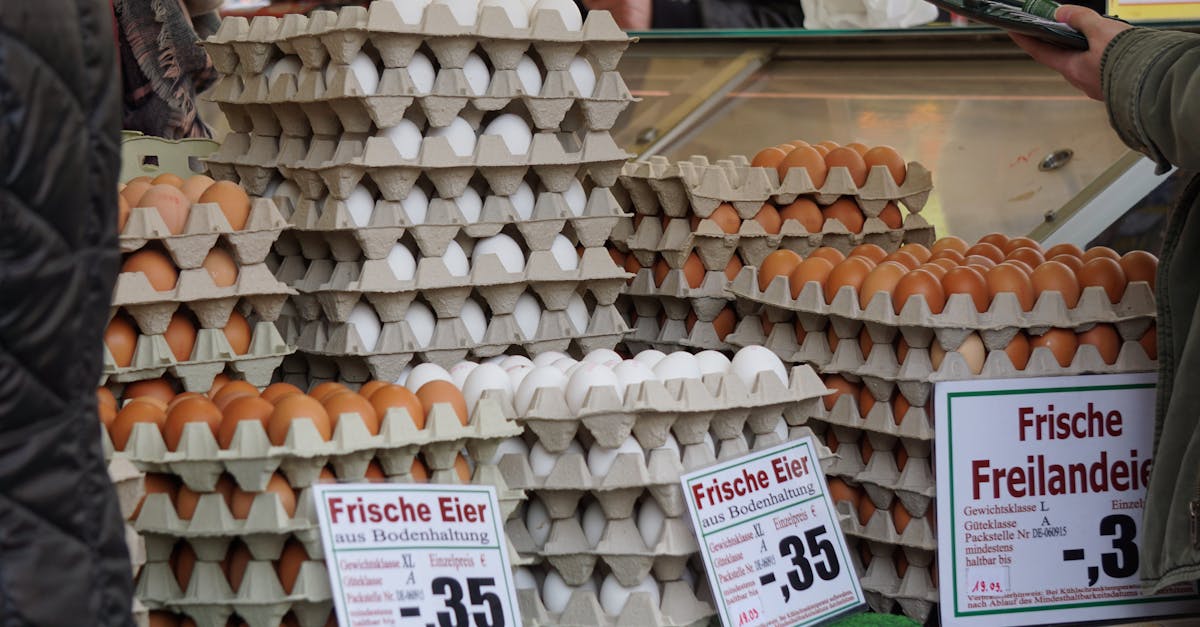
Conversely, essentials like food and energy continue to surge. In March, the CPI for food at home rose nearly 6%, exacerbating the struggles of lower-income households. This diverging trend lays bare a critical tension: while affluent consumers may revel in falling tech prices, the less wealthy bear the burden of climbing grocery bills. The question emerges: whose inflation narrative reigns supreme?
The Silent Squeeze
Consider what often slips under the radar. One of the most alarming trends is the diminishing real wage growth, which a reduction in wage increases could signal a long-term setback for consumers. Despite wage growth at around 4.5%, it barely keeps pace with inflation for many, falling a full percentage point behind the CPI growth. This creeping erosion of purchasing power is not just an economic statistic but a lived reality affecting millions.
Moreover, rental prices continue to climb sharply, with nationwide increases of 7% year-on-year, placing a heavier financial burden on working families. The cost of housing seems to be forging a distinct path, separating the haves from the have-nots. Owners may feel insulated from inflationary pressures, while renters desperately search for stability. The irony is stark: as some celebrate economic recovery, many are trapped in a cycle of escalating costs.
The Global Picture
Turning a glance beyond the nation’s borders, the conversation shifts again. Comparatively, inflation rates in European countries have generally outpaced U.S. figures, with Germany reporting around 7.4% and the U.K. a staggering 8.9%. However, the pain of inflation speaks a universal language—every country grapples with its unique challenges.
American consumers might find some comfort in the stronger dollar, which has softened import costs. Still, the overall anxiety stoked by global uncertainties—such as ongoing supply chain disruptions and geopolitical tensions—remains palpable. The relative strength of the dollar finds itself at odds with the crippling effects of domestic inflation.
What Lies Ahead?
Facing the myriad of dynamics, one can’t help but wonder what the road ahead holds. Will policymakers manage to navigate the conflicting interests of rising costs and the need for robust economic growth? As the Fed debates its next move, they must contend with an increasingly polarized economic landscape. Will they opt for a tightening monetary policy that risks further slowing growth, or choose to maintain a supportive stance even as inflation persists?
The decisive fork in the economic road ahead lies in finding balance amidst chaos. As divergent narratives of inflation shape consumer sentiment, will the underlying tensions yield a corrective path or further entrench inequality? The consequences of these decisions will not just chart the course for the economy—they will redefine who feels the brunt of inflation and who can afford to ride out the storms.