At the Heart of the Economy: A Family’s Encounter with Exports
Imagine the Perez family in Tucson, Arizona, frantically preparing for their annual family reunion. With cousins flying in from as far as Mexico City and Madrid, the grocery lists grow longer each year. They need plenty of ingredients, but this year, Manuel, the father, notices something peculiar at the local supermarket: the cost of avocados has soared, leaving him scrambling for alternatives.
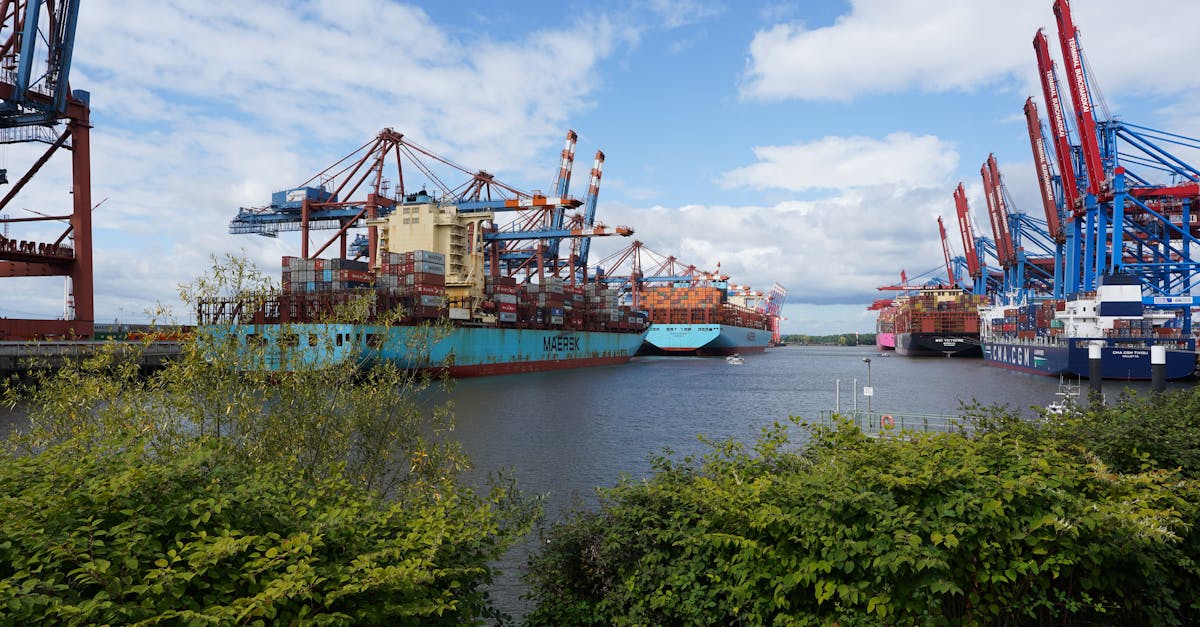
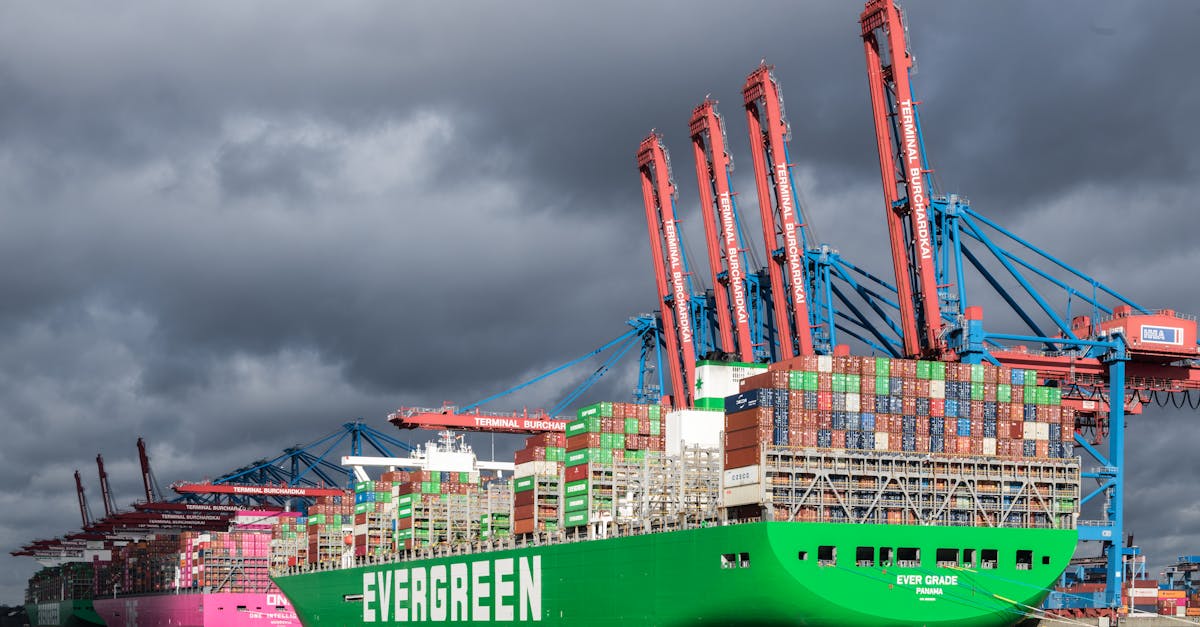
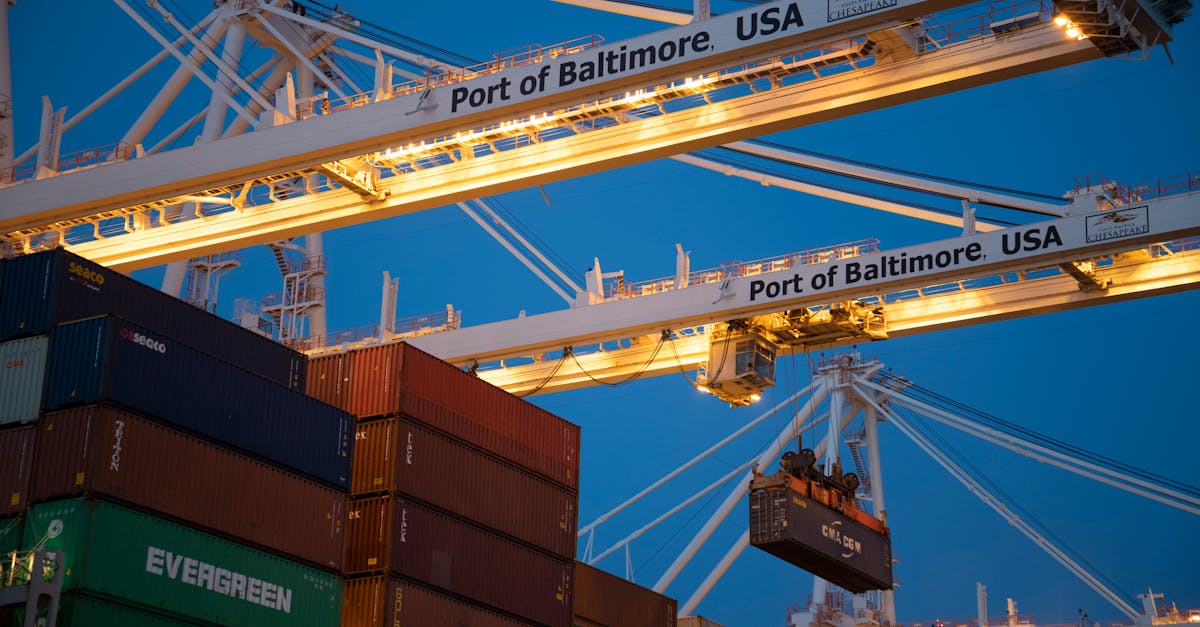
Little does he know that the price surge is tied to the larger trade balance dynamics at play—where the machinations of international trade weave into their everyday lives. As of August 2023, the United States reported a trade deficit of $68.2 billion, an increase from the previous month, attributed in significant part to a drop in exports. The month saw a decline in goods shipped out by nearly $1.74 billion, now hovering around $251.6 billion.
Trade Balances: A Tug-of-War
Manufactured goods, a crucial component of the U.S. economy, saw a staggering $1.6 billion decrease in exports. For the Perez family, high-value items such as machinery and electronics are no longer as plentiful abroad—meaning fewer jobs tied to manufacturing, and that becomes a cycle that affects wage growth and purchasing power at home. Imagine that with every avocados price hike, there’s a parallel story about factories in Detroit losing export contracts.
In fact, the census reports that for every $10 billion in goods exported, around 150,000 jobs are supported nationwide. When exports fall, it’s not just boardrooms that feel the pinch—workers like Lisa, who assembles electronics in one of the last factories left in the Midwest, also feel it. Each missing contract could translate into fewer hours, or worse, layoffs.
Connecting Strings: Exports and Everyday Costs
As the family prepares a simpler menu for the reunion, the implications of trade deficits echo in their own making. The rising prices aren’t just about avocados; they’re interlaced with everything from the chicken they plan to grill to the beers they’ll drink, all reliant on the ebb and flow of international trade. The lack of competitive exports can weaken the dollar, pushing up costs for imported goods. In September 2023, the Consumer Price Index held steady at 3.7%, but it’s not the number that matters—it’s how it feels when you’re standing in line at the checkout, realizing the paycheck doesn’t stretch as it once did.
Jobs Beyond Borders: An Interconnected Nation
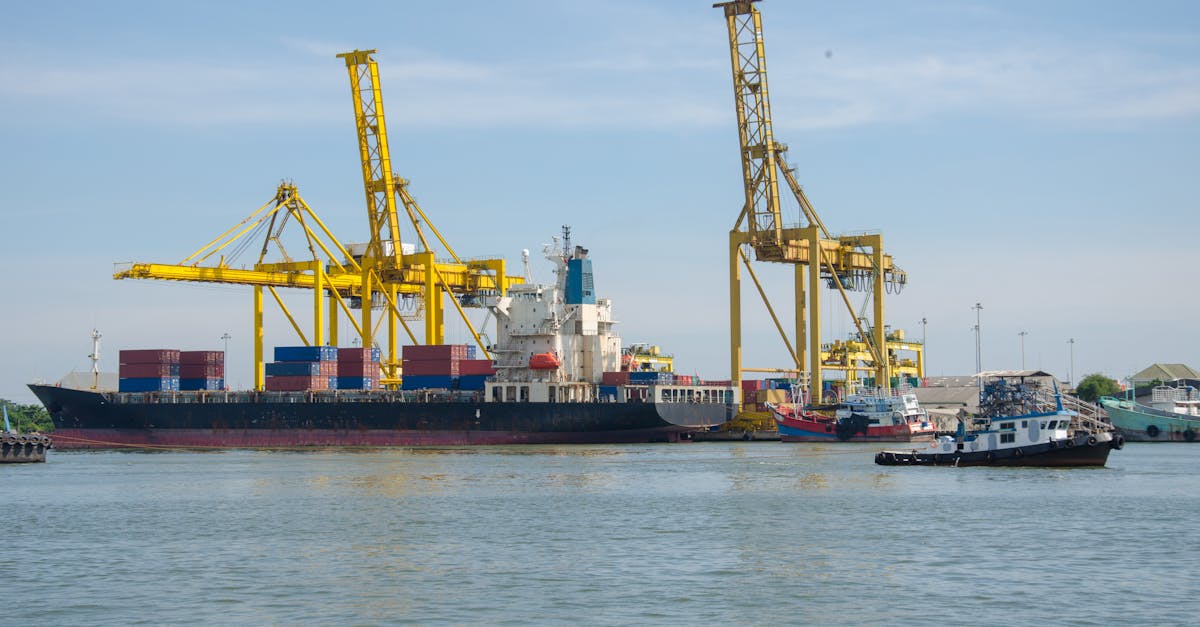
But it’s not just families like the Perez’s grappling with the realities of trade; entire communities are shaped by this intricate dance. Susan, who runs a local bike shop, is increasingly frustrated by delays in shipments from overseas manufacturers who have been impacted by fluctuating export policies. Her repair backlog grows as clients wait longer for parts. With every delay, she sees potential profits slip through her fingers. Between August 2022 and August 2023, transport costs have increased nearly 20%, straining small businesses who rely on steady imports, sometimes erasing entire margins on products.
In contrast, large manufacturers with deeper pockets can adjust more easily, leaning into domestic suppliers, but smaller businesses struggle, highlighting the disparities in resilience across industry sizes.
A Return to the Family Table
As reunion day approaches and the Perez family huddles around their dining table, the conversations are inevitably peppered with economics—reflecting on how a simple gathering parallels the complex web of trade that governs their economic landscape. Manuel grumbles about their avocado choice, while Lisa discusses her job security. Each bite of the grilled chicken and sip of beer resonates with the realities of trade balance.
While the statistics may sound distant and impersonal, when examined closely, they tell the stories of families, workers, and entrepreneurs. The economic landscape shifts beneath their feet daily, subtly but predictably altering their interactions with the world around them. For the Perez family, trade isn’t just a matter of graphs and charts; it’s a lived experience, flavored by every meal and every conversation, a reminder of how intertwined trade and daily life truly are.