On a bustling Tuesday morning in a small Midwestern town, the Morales family gathers at the breakfast table. As they share pancakes and stories about their day ahead, the news flash on the TV catches their attention: a local ceramic factory plans to lay off workers after exports decreased. The factory, which has supplied beautiful pottery to international markets, had recently struggled to stay competitive as import prices fluctuated. For the Morales family, this news translates directly to uncertainty—Carlos, the father, works at the factory and worries about his job stability. The ripple effect of national trade policies now feels intimate and personal.
The story of the Morales family resonates deeply within the broader context of the U.S. trade balance, a metric that significantly influences the economy. Recent data from the Bureau of Economic Analysis tells us that the trade deficit widened to $70.4 billion, a staggering increase of nearly 5.5% from the previous month. This deficit signifies that the value of goods and services the U.S. imports far exceeds what it exports—creating a scenario where American families confront the consequences in their daily lives.
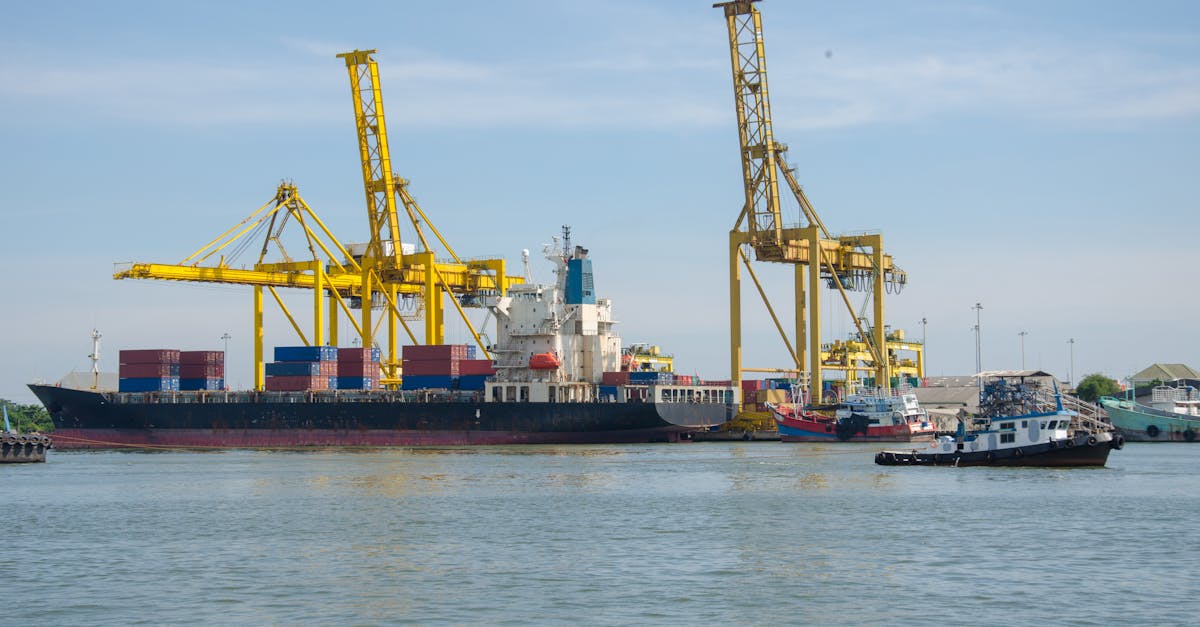
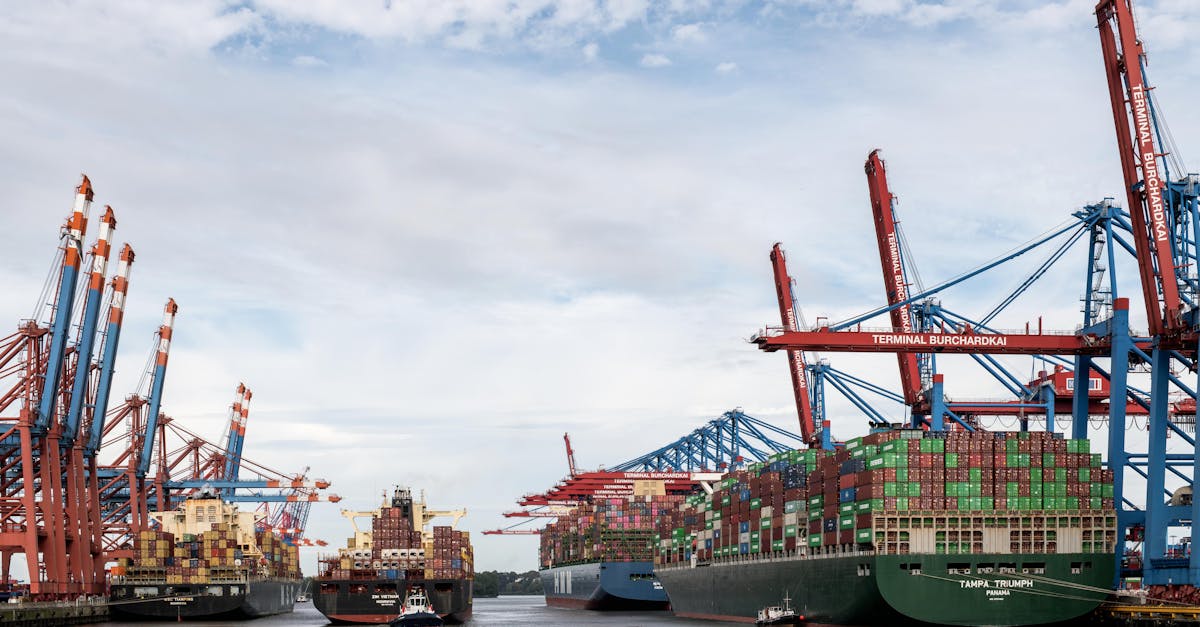
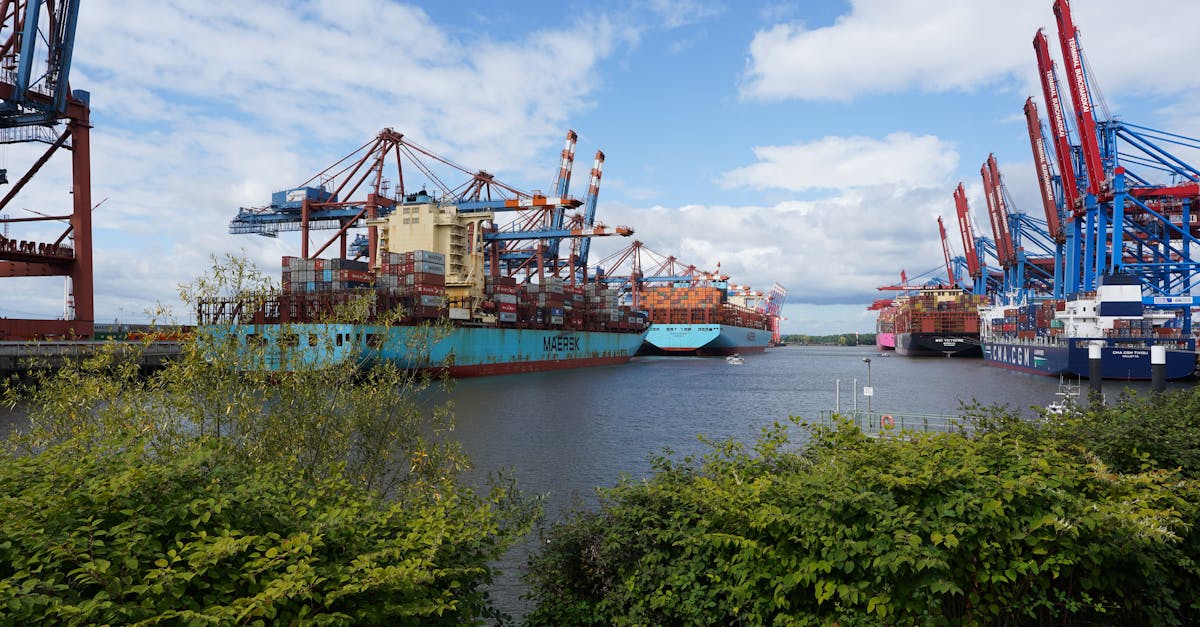
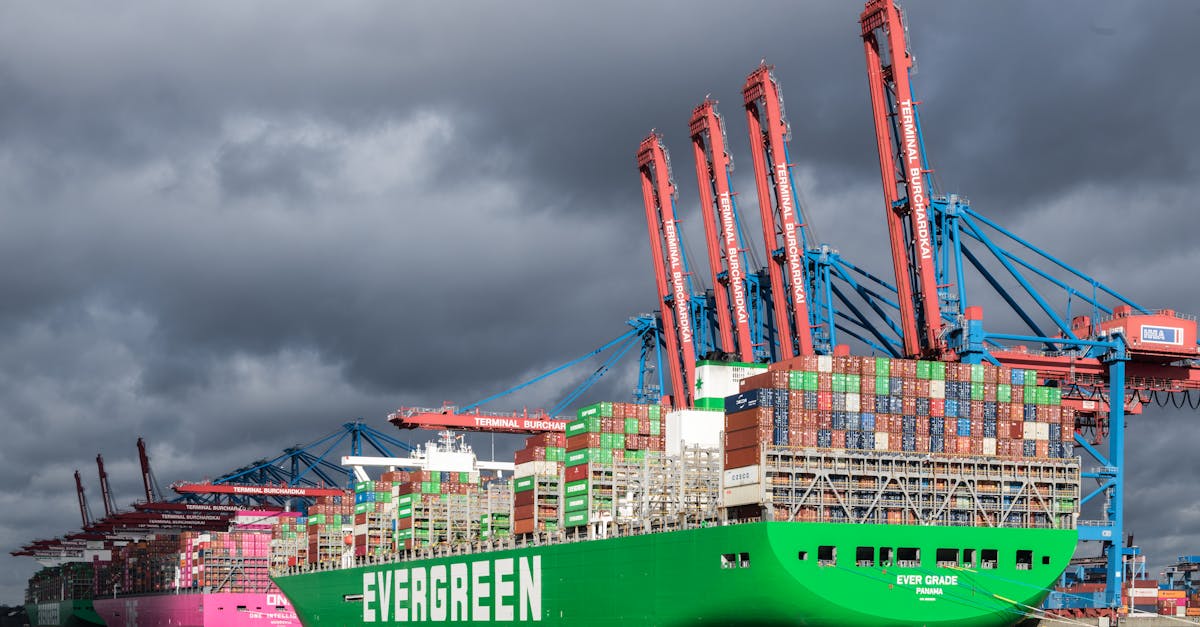
To put the trade deficit in perspective, imagine enough goods flowing into the country to fill more than 10 football fields every week. Imports of consumer goods—everything from electronics to clothing—rose sharply, pushing out American-made products. In contrast, U.S. exports grew modestly, limited by global economic slowdowns and rising shipping costs. Exports reached $260 billion, with goods like aerospace products, refined petroleum, and agricultural products leading the way. Yet, the growth of exports pales beside the relentless rise in imports, which topped $330 billion.
For the Morales family, uncertainty grows. Every news report on trade developments seems linked to Carlos’s job security. As imports rise, competition for local production heightens, often driving businesses to cut costs by reducing their workforce or seeking cheaper labor overseas. Analysts at the Federal Reserve have flagged this shift, noting that dependence on imports can erode domestic job security, especially in manufacturing sectors that have already been hard hit.
Carlos’s story reflects a larger narrative, one where nearly 12 million Americans depend on exports related to manufacturing alone. When companies navigate through a challenging trade landscape, the effects can close off international opportunities or, conversely, thrust certain markets into enviable positions. For instance, U.S. agricultural exports— a significant player in the trade balance— continue to find new markets, with the agriculture sector reporting exports valued at over $164 billion. The soybean has, therefore, become emblematic of hope, as it is one of the top commodities that have found a supportive foothold abroad, balancing out some detrimental impacts of other declining exports.
As breakfast wraps up, Carlos’s children scurry off to school, and he prepares for another day at the factory—once a bastion of prosperity. While the statistics present a multitude of numbers and trends, they ultimately tell the story of families like the Moraleses, standing at the crossroads of international commerce and local economic realities. When policymakers convene to discuss tariffs, free trade agreements, or international partnerships, it is essential to remember the human element behind these decisions. For each statistic on a balance sheet, there are families that measure their futures against the unfolding dynamics of the global market.
As the wind rustles the leaves outside, Carlos clings to the hope that the factory will rebound, just as other sectors have shown resilience—even in turbulent waters. For the Morales family and countless others, navigating this complex interplay of trade and economics will determine more than mere numbers; it will shape their daily lives and future aspirations.