Housing Prices Hit a Ceiling
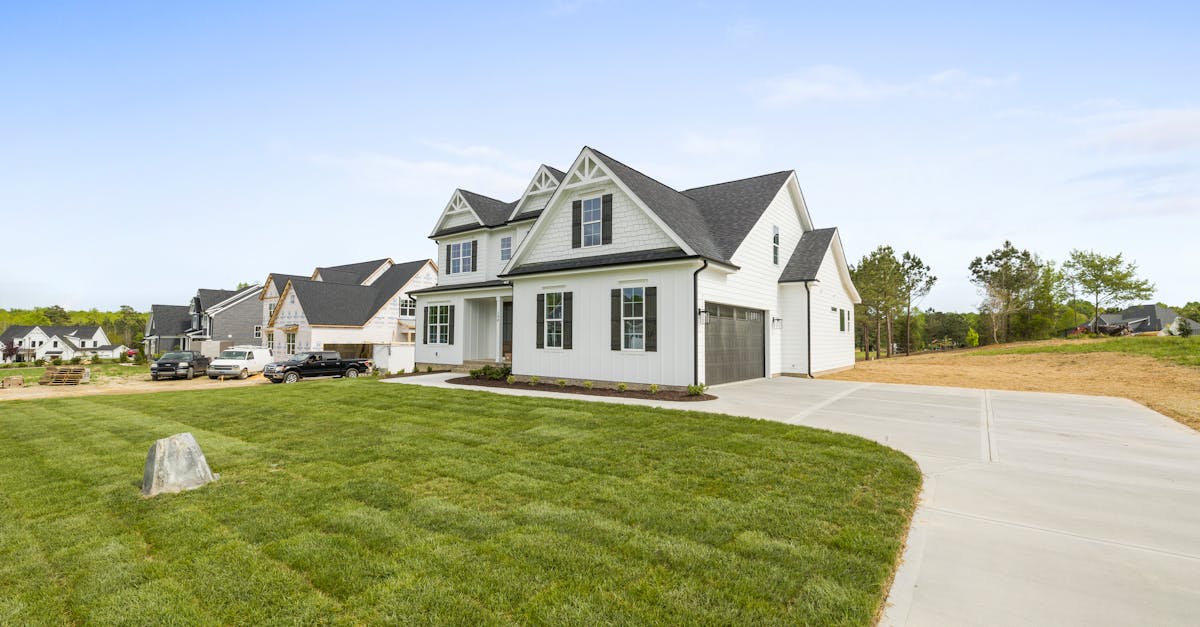
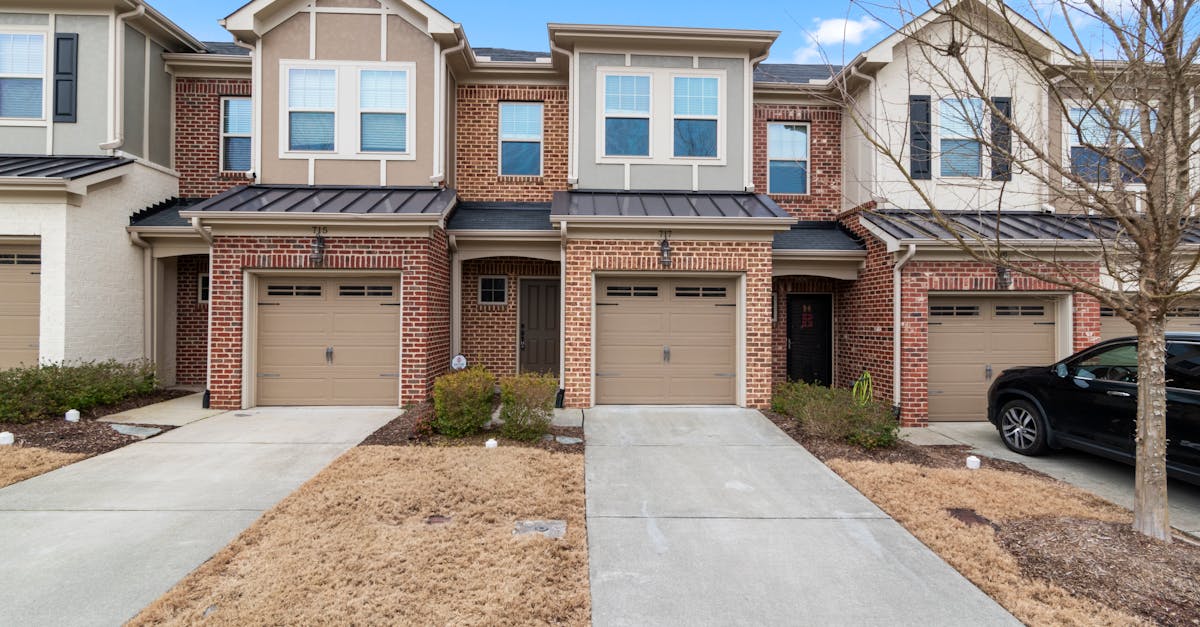
The median sales price for existing homes reached an astounding $413,800 in August, marking a 1.4% annual increase, according to the National Association of Realtors. For potential buyers, this statistic isn’t just a number; it reflects a market increasingly out of reach, as monthly mortgage payments for a typical home have soared to about $2,200, a staggering 50% increase from just two years ago.
Supply Chain and Inventory Constraints
Home inventory remains tight with only a 3.3-month supply, the lowest for any August since records began. Builders have been hesitant to ramp up production due to elevated costs for materials and labor, leaving the market starved for new listings. This persistent lack of supply exacerbates competition among buyers—many families find themselves outbid multiple times, leading to growing frustration and a sense of helplessness.
The Impact of Rising Interest Rates
The Federal Reserve’s aggressive monetary policy has pushed the average 30-year mortgage rate to approximately 7.25%—a level not seen since 2002. This effectively doubles the cost of borrowing compared to a few years back. Homeownership is becoming not just a financial strain but an elusive dream, with data revealing that 81% of renters now believe they will never own a home.
The Rental Market Response
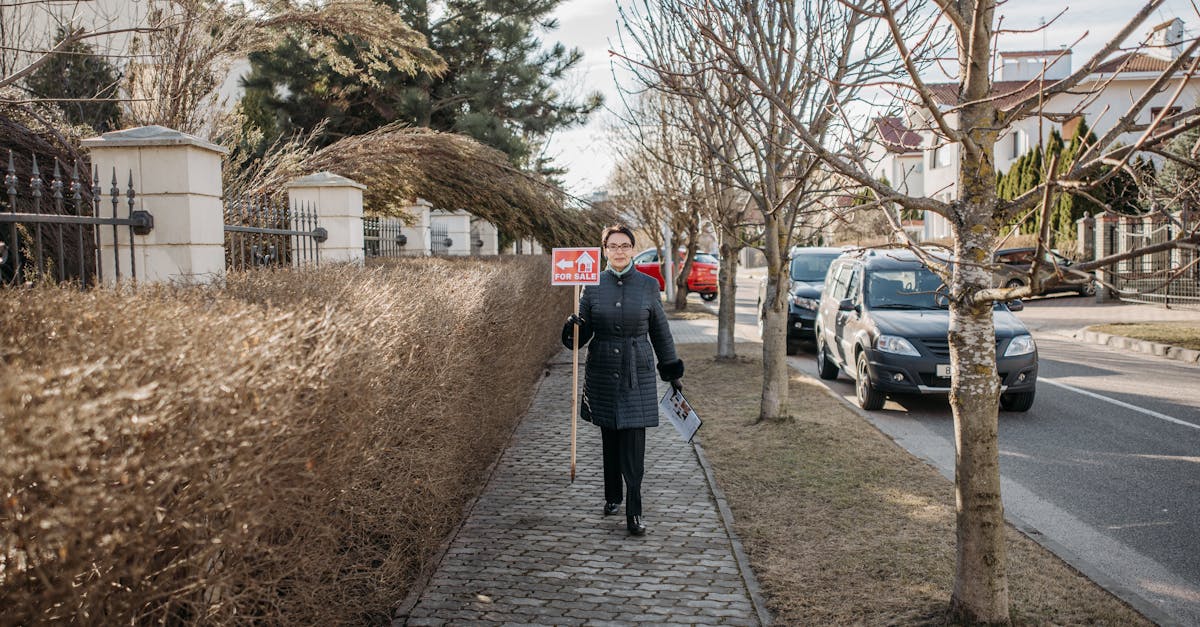
As homeownership slips away for many, the rental market is experiencing its own upheaval. Rents have surged by about 14% year-over-year, driven by increased demand from those priced out of buying. For many households, paying the escalating rent means making sacrifices in other areas, highlighting the balancing act between housing costs and essential expenses.
Generational Divide in Home Purchasing
The current situation is especially challenging for first-time homebuyers, who comprise about 26% of the market—down from historic averages of around 40%. This demographic is battling against strong competition from investors and older buyers with deeper pockets. In a landscape where every dollar counts, this leaves many young adults feeling sidelined and reconsidering their future plans.
Inflation and Economic Pressure
The Consumer Price Index showed a 3.7% inflation rate, putting additional pressure on household budgets. Coupled with rising housing costs, more families are resorting to delayed life decisions, like marriage and starting families, while saving up for a higher down payment. Economic anxiety looms large, fostering skepticism about long-term financial stability and growth opportunities.
Exploring Alternative Solutions
Innovative solutions are emerging, such as community land trusts and cooperative ownership models, aimed at easing the pressure on buyers. Some metropolitan areas are experimenting with programs that allow individuals to purchase shares in properties, effectively lowering entry costs while still benefiting from equity growth. These alternatives may provide some relief but also highlight a growing trend of finding creative financial arrangements in a challenging landscape.
The Road Forward
As housing markets continue to demonstrate volatility amid broader economic factors, prospective buyers are likely to remain on the lookout for feasible opportunities. With rising interest rates and a dwindling supply of affordable homes, the pressure on the market will only intensify, leaving many to wonder how they can adapt and flourish in an evolving scenario.