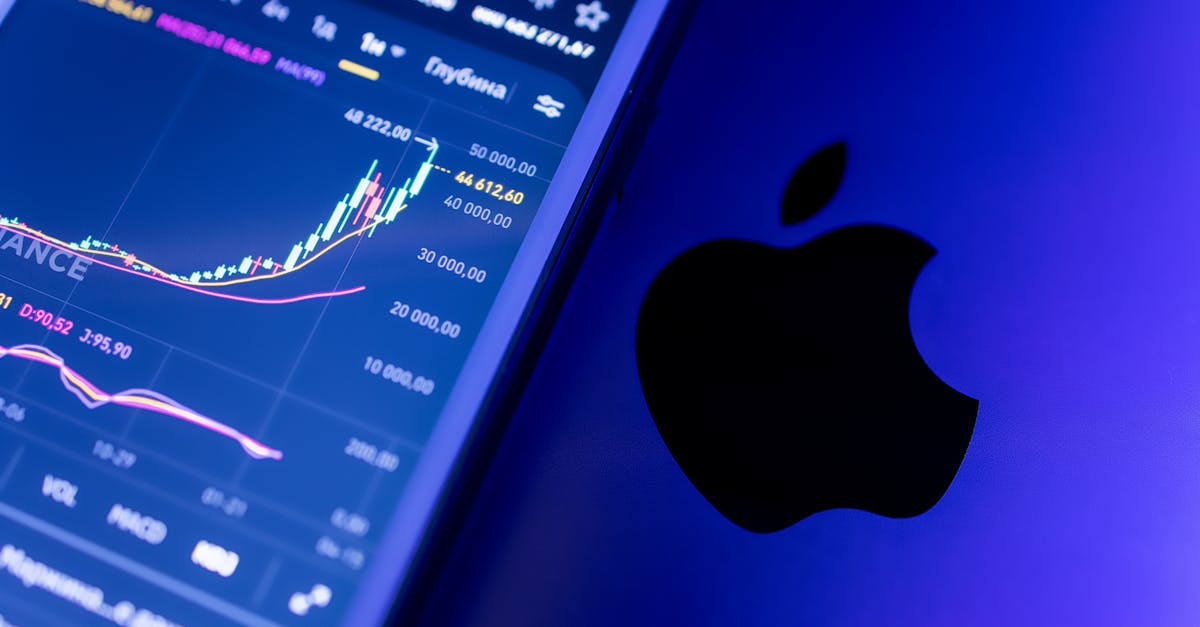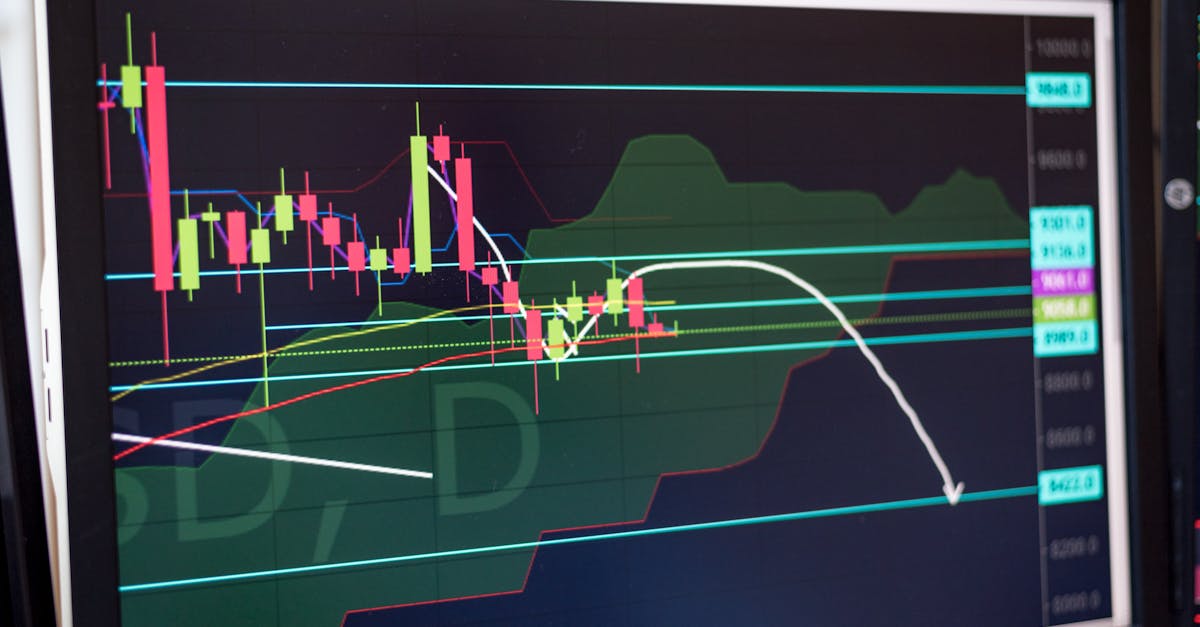
As the morning sun filtered through the kitchen window, Sarah poured herself a cup of coffee and sat down with the latest financial news. She pulled up the stock market app on her phone while her children busily exchanged oatmeal for cereal. Last month, their family had decided to invest some of their savings into stocks, a decision spurred by the recent rise in the market. Little did they know, the overall health of the economy hung precariously on metrics that would influence their investments.
With inflation lingering at 3.3%, Sarah could feel the pinch at the grocery store; her weekly shopping basket had become lighter as prices crept upward. This persistent inflation didn’t just squeeze household budgets; it sent ripples through the stock market, leading to fluctuations that could benefit or mire her fledgling investments. Just a year ago, her morning coffee cost her $2.50. Today, with the creeping average price around $2.58, that small bump felt magnified when multiplied across essential groceries.
Meanwhile, as a growing chorus of economists warned of potential effects from rising interest rates, Sarah’s investment decisions felt like a high-stakes chess match. The Federal Reserve’s recent move set the benchmark interest rate at 3.64%, raising the cost of borrowing and cooling off previously frothy investments in tech. It was a double-edged sword; while borrowing was pricier, it also meant that safe havens like bonds became more attractive, prompting traders to reallocation their portfolios in ways that could influence market volatility.
Imagine Sarah watching her stocks, which consist largely of tech companies, wobble in response to these changes. One day, her shares in a popular software firm stumbled due to cautious guidance from management reflecting this changing economic landscape, while a growing number of analysts promoted defensive stocks as consumers cut back on discretionary spending. The family’s confidence teetered along with their stocks, dancing between hope and anxiety, wondering: were they too invested in growth when the market was recalibrating?
Across town, Mark, a small business owner, faced similar crossroads—his local coffee shop felt the consumer pullback keenly. With unemployment standing at 4.3%, he felt like the edges of the labor market were tightening, making it difficult to hire seasonal workers during what should have been a bustling spring. The connection to his stock investments loomed integral to how he planned the next quarter: how long would customers be willing to indulge in higher-priced lattes amidst rising costs?
As Sarah served breakfast, she pondered the interconnected webs of stock market movements, consumer confidence, and the erratic nature of their consumer behaviors. On paper, the stock market had surged against a backdrop of economic uncertainty, at least in recent months. However, with many citizens feeling the strain of inflation on tight budgets, companies that once posted high earnings may face headwinds as discretionary spending shifts.
Just like the long mornings spent hustling from coffees to school pickup, navigating the stock market has proven to be layered and complicated. For Sarah and Mark, each piece of data felt less like a facade and more like a snapshot of everyday lives consumed by stock market fluctuations and uncertain prospects.
As she finished her coffee, Sarah took a moment to reflect. By investing, she and her husband were not just betting on a spreadsheet; they were envisioning a future for their children, a future intertwined with both their ambitions and the economy’s unpredictable winds. The family’s growing portfolio mirrored the country’s ongoing dance with inflation and interest rates, a balanced act of risk and rewarding returns. After all, each choice they made wasn’t just about numbers on a screen but about securing a better life amid the uncertainty of a world driven by data.