The Smith Family’s Dilemma
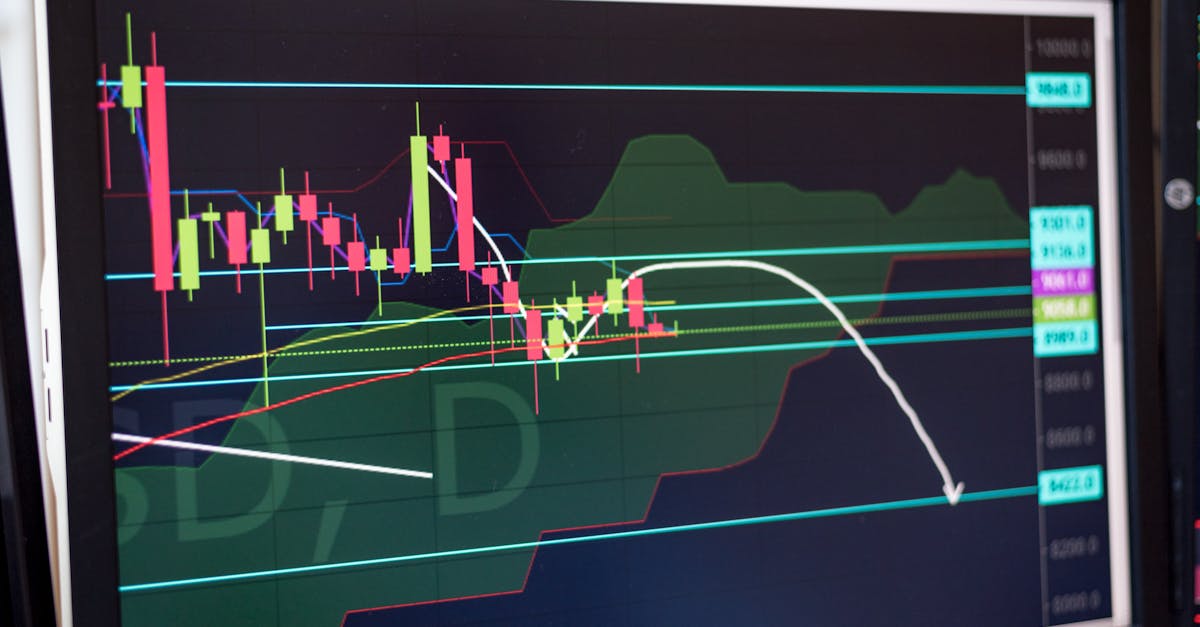
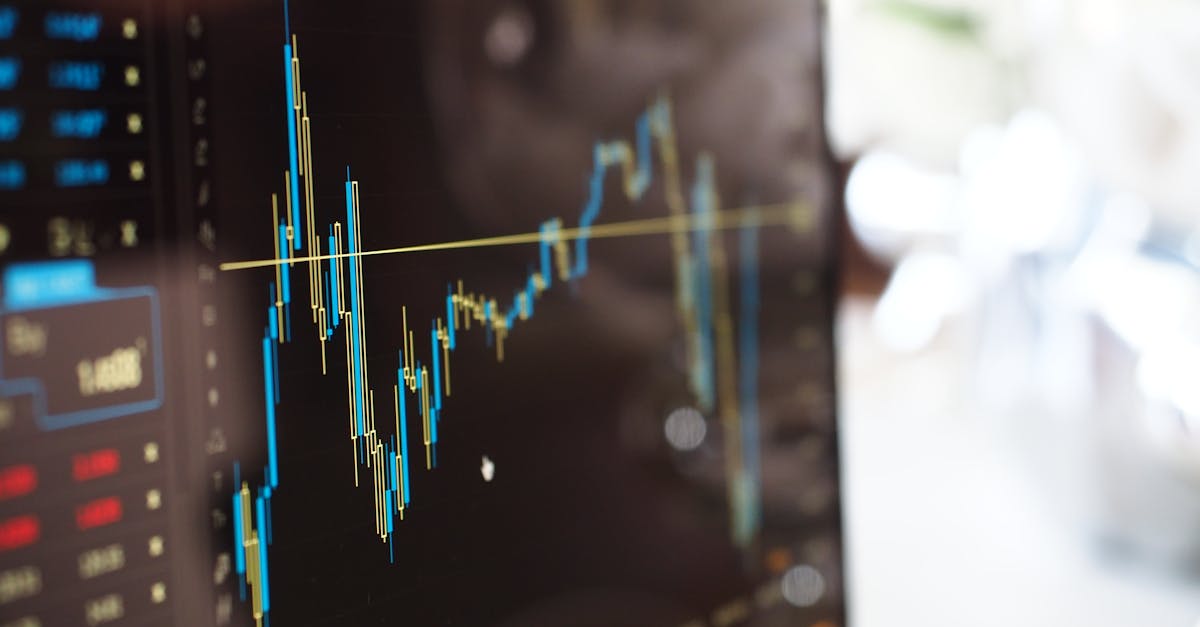
On a typical Saturday morning, the Smith family gathered around their kitchen table, balancing the heavy burden of financial decisions against daily life aspirations. Lisa, a teacher, shared the latest news about her school’s budget cuts affecting job security, while her husband, Michael, an engineer, thumbed through the financial section of the newspaper. With the stock market taking a considerable hit recently—with the S&P 500 index experiencing a decline of over 10% from its peak earlier—Michael pondered whether their meager investments would ever amount to a stable financial future.
As inflation crept to 3.3%, the couple felt the squeeze at the grocery store. Their usual weekly bill had soared, with food prices rising noticeably. The inflation rate, reflective of a larger economic landscape where consumer prices have crept up steadily, left them deliberating over brands and meal choices. They had filled their pantry with generic labels rather than the premium options they once enjoyed. This change illustrated how stock market fluctuations and rising costs directly impacted their Great American Dream.
The Rippling Effects of the Markets
The world of stocks is an intricate web that connects financially ambitious families like the Smiths to broader economic phenomena. As Lisa and Michael scrolled through their investment app—where they held a modest portfolio of ETFs (Exchange Traded Funds)—they observed their returns fluctuating, reflecting the broader economic environment shaped by interest rates. With the Federal Reserve setting the interest rate to 3.64%, borrowing costs remained high, essentially holding back consumer spending and dampening investor optimism. This was a signal for families across the nation to tighten budgets and re-evaluate investments.
While the Smiths were aware of the connection, how many Americans understood it? Unemployment hovered around 4.3%, a figure that, while seemingly low compared to historical standards, nonetheless represented real struggles for countless citizens. Each unemployment figure doesn’t just signify a statistic; it translates to individuals like their neighbor, Tom, who lost his job in construction due to economic downturns linked to the same market volatility affecting their investment hopes.
Stock Markets and Opportunity Costs
Understanding the stock market has become paramount in these volatile times. The Smith family had initially hoped to save for a down payment on a new home while keeping an eye on their investments for future stability. But with their financial prospects resembling the turbulent stock market—up one day, down the next—they considered rebalancing their risk. Michael had once enthusiastically followed technology stocks, but with rising interest rates, sectors sensitive to growth forecasts seemed more precarious than ever.
The technology index had shown significant volatility, leading him to wonder if the road to financial security required a more conservative approach. Perhaps now was the time for bonds or blue-chip companies, echoing their need for steadiness in an otherwise turbulent environment. For the Smiths, every percentage point on a stock price felt like a lifeline or a loss, directly impacting their lives and aspirations.
Full Circle: The Future of the Smiths
One evening, as they sat down to a budget-planning dinner, the family revisited their goals. Despite the challenges they faced from outside forces like inflation, interest rates, and unemployment, they were determined to become proactive investors rather than passive observers.
As Lisa planned distance-learning options for her students, and Michael scouted job openings that aligned with his skillset, they discussed how to bolster their financial literacy. They envisioned a future where they wouldn’t just survive the fluctuations of the market but thrive amid uncertainty—balancing dreams with reality.
In navigating the complex world of stock markets, the Smiths learned to adapt, proving that financial resilience is a journey, not merely a destination.