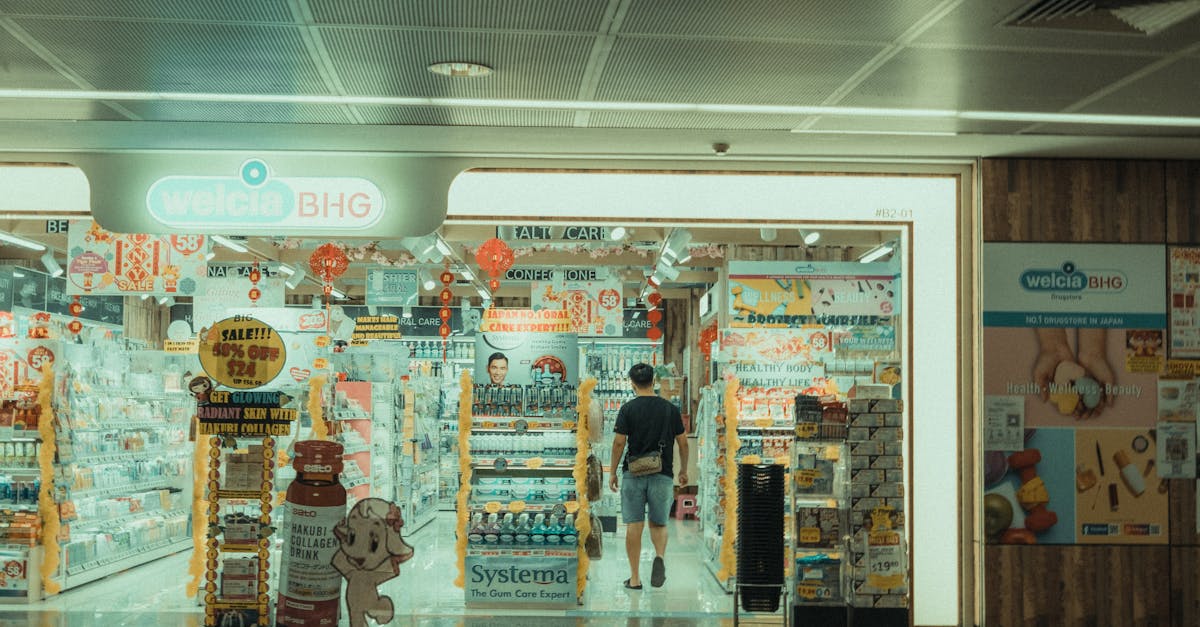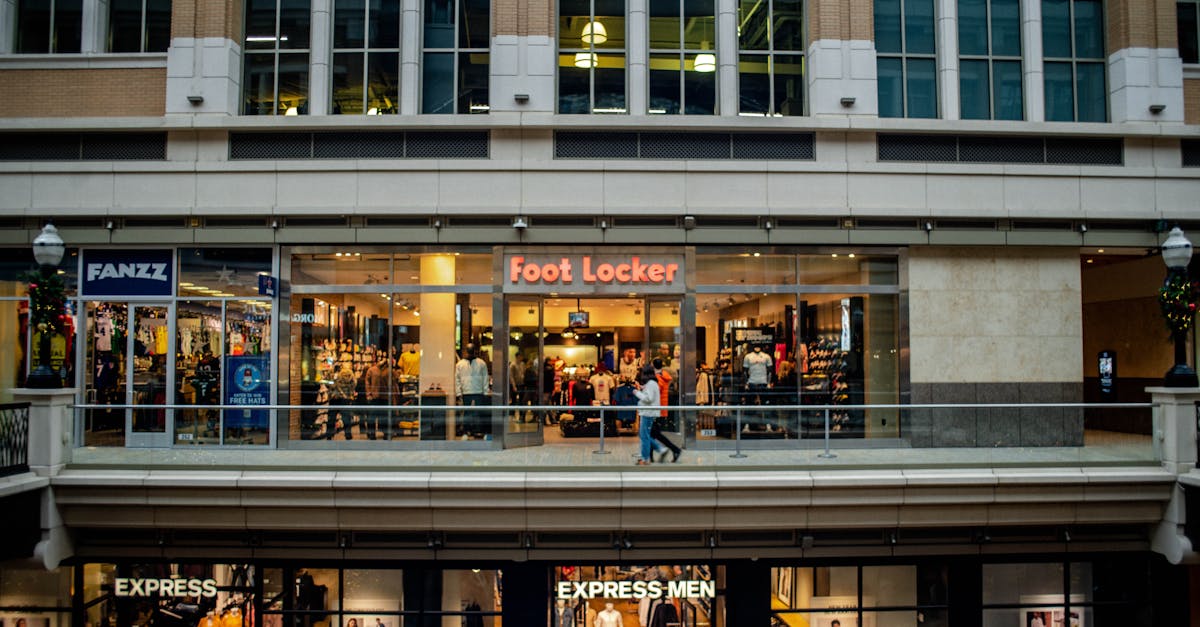
Consumer spending in the United States reached a staggering $15.4 trillion in the last quarter, marking a notable shift in how Americans allocate their income. This impressive figure accounts for nearly 70% of the country’s GDP, underscoring just how vital consumer behavior is to overall economic health. Yet, beneath this surface of growth, the shadow of 3.8% inflation looms, forcing households to rethink their budgeting strategies.
As inflation continues to climb, the implications for discretionary spending are stark. Data from the Bureau of Economic Analysis indicates that while overall consumer spending has risen, spending on essentials such as food and fuel has taken precedence, leaving less room for luxuries. For example, the real (inflation-adjusted) increase in expenditures on goods was just 0.5% in the previous month, while spending on necessities saw a 1.2% rise.
As American families navigate these changes, trading off discretionary purchases for essentials seems to be the new normal. According to the Bureau of Labor Statistics, the Consumer Price Index (CPI) showed prices rising faster in sectors like food, which jumped by 4.5% year-over-year, captivating households’ attention in their monthly budgets. This essential focus can shift consumer behavior further, prompting a potential downturn in areas like travel and leisure, which have been signs of robust spending just a year prior.
In the realm of consumer goods, the story is complex. Retailers report a marked increase in sales for everyday products while high-end brands struggle to maintain their previous momentum. Data suggests luxury goods sales dropped significantly, down by over 6% annually, as shoppers gravitate towards budget-friendly options. This shift extends to all corners of the marketplace, with consumers indicating a stronger preference for value over brand prestige.
What these adjustments translate to in the everyday lives of consumers is no small matter. More families are tightening their belts, pivoting towards discounts and sales, and even embracing second-hand markets. The National Retail Federation’s reports show that nearly 45% of shoppers now prefer discount stores for their grocery needs, an uptick from previous years. This change demonstrates an altered consumer psyche, prioritizing sustainability and frugality in the face of economic uncertainty.
Waves of change aren’t just seen in the types of products purchased but also in payment methods. Digital wallets and buy-now-pay-later services have surged, making up 25% of all transactions in Q1. This evolution highlights a growing consumer willingness to leverage technology to manage tighter budgets effectively. However, the long-term effects of this financial behavior remain to be cautiously assessed.
Looking forward, retailers will need to adapt swiftly to this transformative landscape, staying responsive to sustained inflationary pressures and altering consumer preferences. In this environment, understanding the nuances of shopping behaviors and leveraging predictive analytics will prove invaluable. The next quarter may reveal how resilient consumer spending truly is against the backdrop of ongoing economic adjustments.