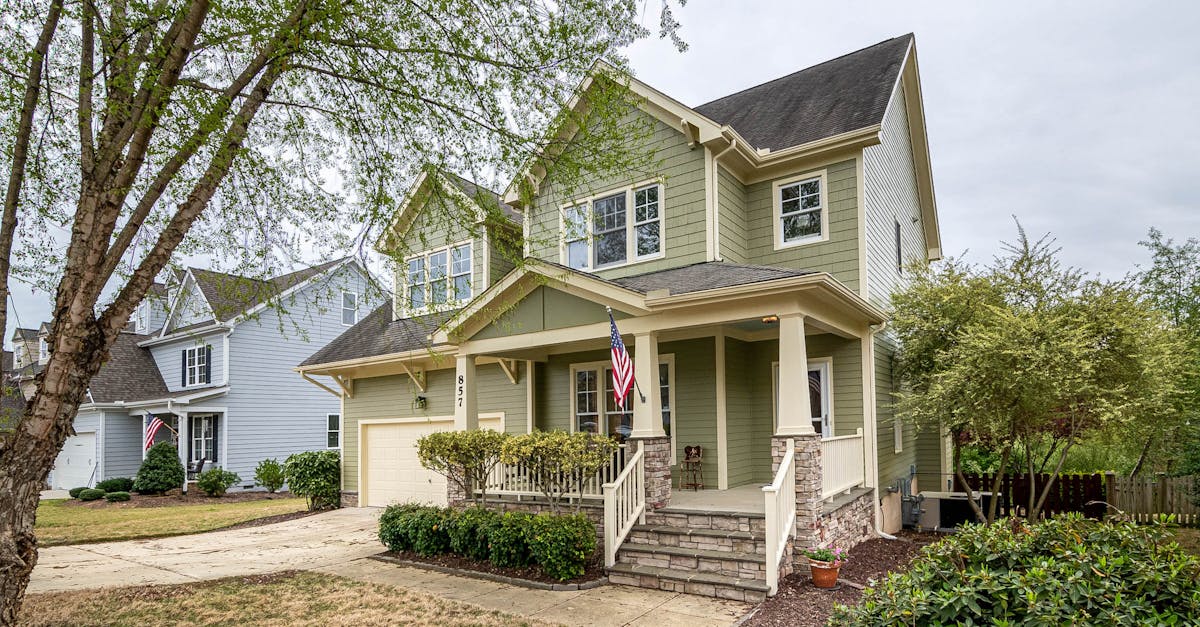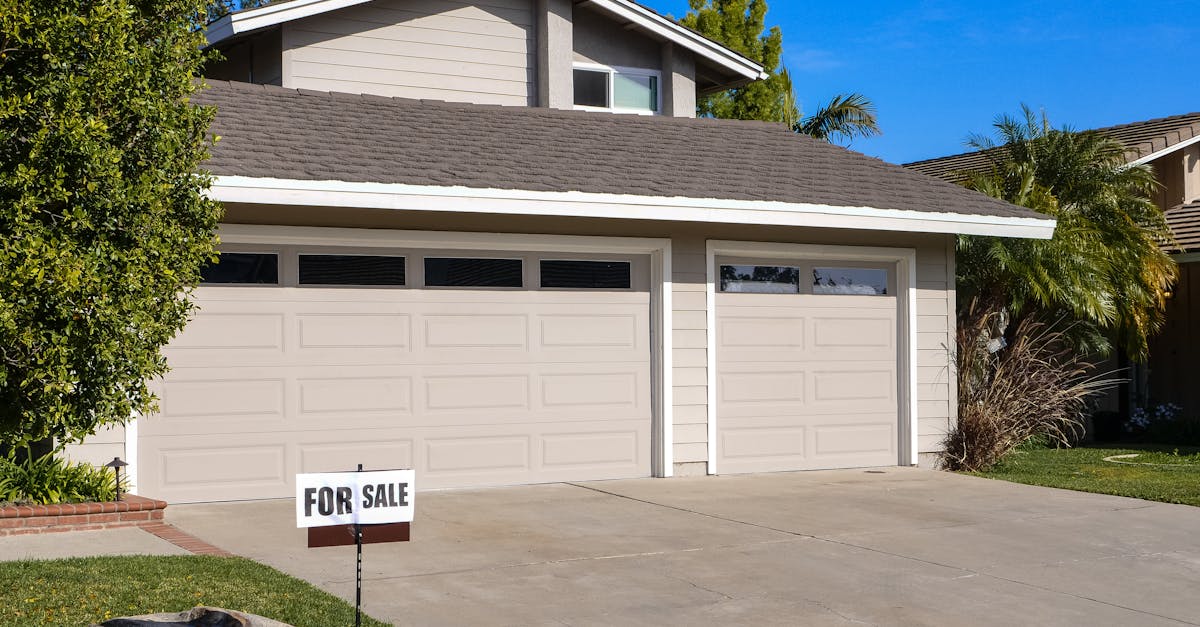
The U.S. housing market has seen a staggering 30% increase in median sales prices from 2019 to August 2023, rising from $274,000 to over $360,000, according to the National Association of Realtors. Such sharp spikes indicate a profound shift that continues to reshape the homeownership landscape, forcing buyers to reassess what they can actually afford.
Prices have surged across virtually all metropolitan areas, compounded by a relentless demand and historically low inventory levels. The Federal Reserve’s interest rate hikes, which soared beyond 5% in 2023, have amplified mortgage costs to levels not seen since 2001, pushing potential homeowners further out of the market. In fact, the average rate on a 30-year fixed mortgage has now crept past 7%, presenting a substantial barrier for first-time buyers keen to enter the fray.
Regional variations paint a complex picture. For example, cities like Austin, Texas, and Nashville, Tennessee, have reported increases of well over 40% in home prices since just the pandemic’s onset. This growth isn’t merely an urban phenomenon; suburban areas have also seen escalating demand, fueled by remote work trends that are changing the notion of commute distances. A modest middle-income wage earner now finds themselves competing for homes that require near-60% of their monthly paycheck in mortgage payments—a far cry from the traditional recommendation of 28%.
For renters, the situation isn’t much better. According to the U.S. Bureau of Labor Statistics, rental costs have surged by more than 25% in many major cities. With inflation remaining stubbornly high, driven in part by increased shelter costs, households across income brackets are grappling with the prospect of prolonged financial strain. The median rent for an apartment has soared to $2,000 in places like New York City and Los Angeles, pushing the dream of homeownership further out of reach.
The economic impact of these housing market dynamics is significant. As people allocate a larger chunk of their income to housing, other sectors like retail and services may see reduced spending. According to the Bureau of Economic Analysis, personal consumption expenditures have dipped, in some cases correlating with increased debt levels as families struggle to keep pace with housing costs. The ripple effect could stifle broader economic growth as the housing pillar wobbles.
Government interventions, including first-time buyer programs and potential interest rate adjustments from the Fed, offer a glimmer of hope but remain complex and uncertain. The challenge is finding viable solutions that balance market stabilization against the need for affordability. Community leaders and policymakers are increasingly urged to consider creative zoning adaptations that could expedite building processes and alleviate the scarcity.
As the market adjusts and buyers recalibrate their expectations, one clear narrative emerges: the housing market is not just an economic indicator; it’s a defining feature of American life. The path forward will demand innovative solutions and community resilience in the face of shifting economic realities.