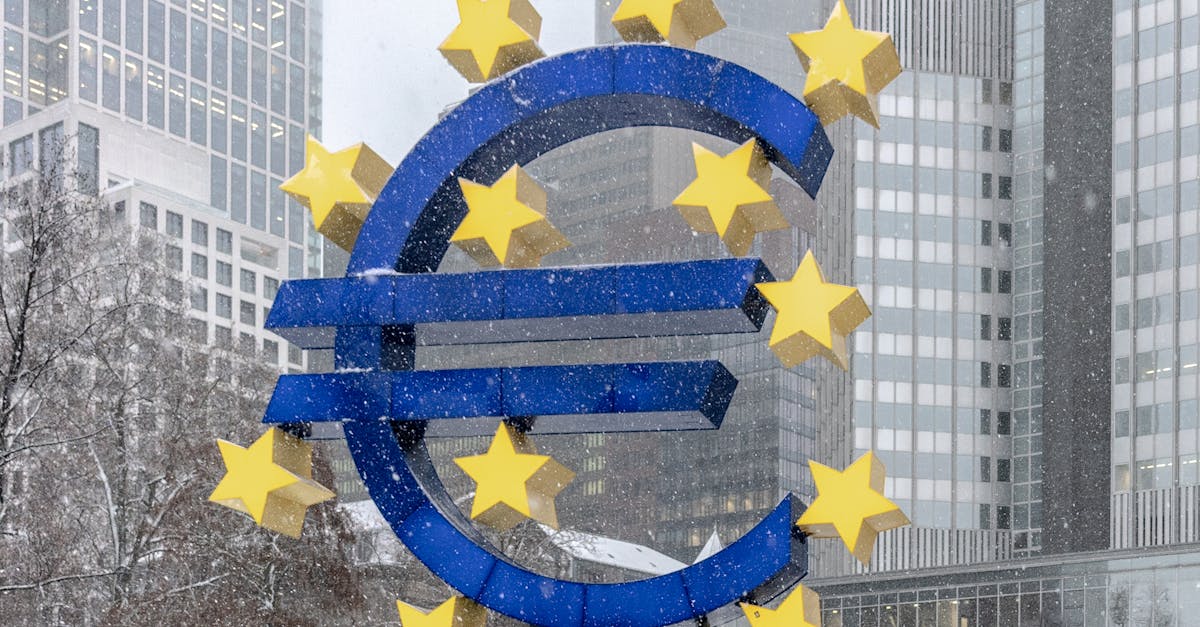
A Central Bank in Transition
The Federal Reserve’s current interest rate sits at 3.64%, marking a significant evolution in monetary policy amidst fluctuating economic conditions. This rate, while modest compared to historical highs, indicates a strategic shift in the central bank’s approach to balancing inflation and economic growth.
Contextualizing American Rates
In the wake of the economic fallout from the pandemic, the Fed has navigated a stark landscape. Until late 2021, interest rates held at near-zero levels, a response intended to stimulate activity during a period of sluggish recovery. Comparing this environment to Europe, where the European Central Bank (ECB) maintains rates at 3.00%, the U.S. stands slightly higher, reflecting a more aggressive stance toward curbing inflation that sprung upward globally — the inflation rate here peaked around 9% in mid-2022.
This 3.64% rate is emblematic of the Fed’s careful recalibration to combat persistent inflation while avoiding a recession, showcasing how their policy aims to bolster consumer spending amid rising costs that have impacted households and businesses alike.
Global Comparisons in Monetary Policy
Interestingly, the divergence between U.S. and international interest rates is striking. For instance, the Bank of Japan (BoJ), long known for its ultra-loose policies, has maintained rates at an eye-watering -0.10%. Against this backdrop, the Fed’s actions appear bold yet calculated, distinguishing America’s recovery trajectory. Notably, central banks in developing nations, such as Brazil, have adopted even more stringent measures, with rates exceeding 12%, a response dictated by hyperinflation concerns.
Inflation and Economic Growth: A Balancing Act
Inflation, despite easing somewhat from its peak, still poses a formidable challenge. The personal consumption expenditures price index, a critical measure for the Fed, recorded an annual increase of approximately 3.8% as of early 2023, down from the double-digit spikes observed previously. Such numbers underscore the precarious balancing act facing policymakers: tightening rates to rein in inflation could stifle growth in sectors like real estate and small business investment. In Q1 of 2023, GDP growth was measured at a solid 3.2%, providing some solace amidst uncertainty.
Market Reactions and Future Projections
Market analysts have responded to the Fed’s current stance with a blend of optimism and caution. Bond yields have reflected this uncertainty, oscillating with announcements from Fed officials. The yield on the 10-year Treasury note recently hovered around 3.85%, directly impacting mortgage rates which remain elevated, averaging approximately 6.5% in recent weeks. Homebuyers feel the pinch as higher financing costs discourage activity in an already tense housing market.
The Road Ahead: Navigating Unchartered Waters
As the Fed prepares for its next meetings, forecasts are clouded with uncertainty. Observers are keenly analyzing inflation metrics and unemployment stats to gauge whether further adjustments may be warranted. The upcoming economic reports will be crucial; similar data patterns might lead to tough decisions regarding rate hikes or pauses.
The question remains: can the Fed maintain this delicate equilibrium? While navigating the turbulence of both domestic and international economies, the lesson gleaned may very well be that the path of interest rates is not just a measure of cost, but a barometer of confidence in recovery. As we approach the next monetary policy meetings, the Fed must wield its influence with calculated precision, charting a course through uncharted economic waters.