The Driving Force of the Economy: 3.63% and Climbing
At 3.63%, the U.S. central bank’s interest rate has become a critical focal point for businesses, consumers, and policymakers alike. This figure, as reported by the Federal Reserve Economic Data (FRED), signals a marked shift from the ultralow interest rates witnessed during the pandemic era, pushing American economic dynamics into a new phase. It not only reflects domestic monetary policy changes but also raises pivotal questions about the U.S. economy’s global competitiveness as central banks worldwide, including the European Central Bank (ECB) and the Bank of England, navigate their own rate adjustments.
Comparing the Rate Landscape: A Global Snapshot
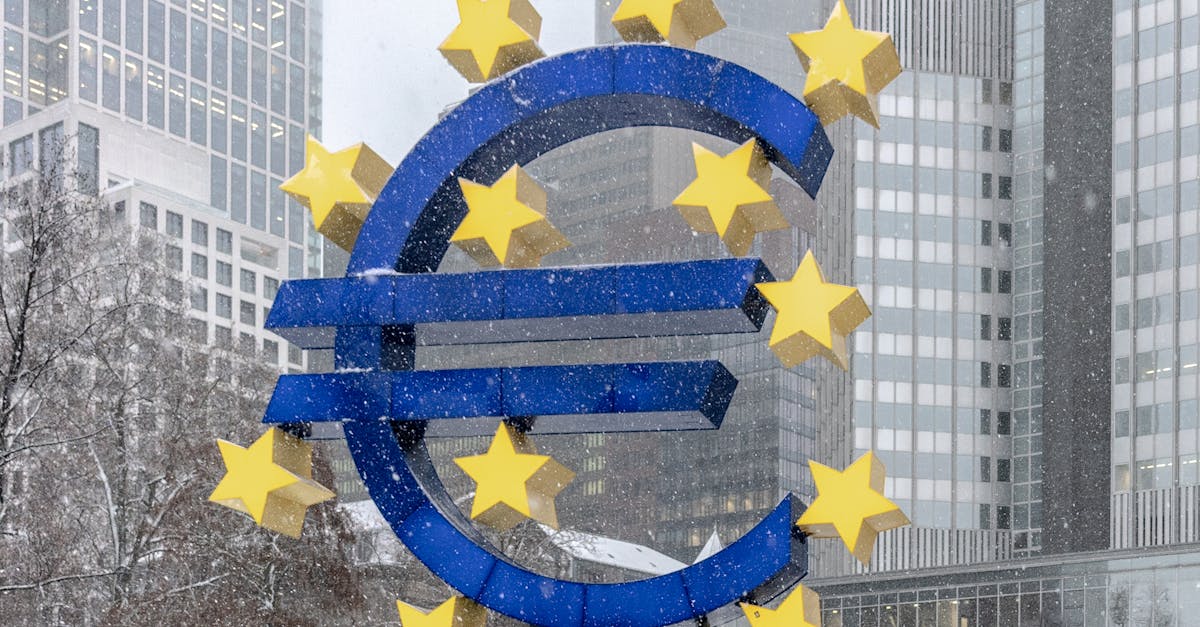
While the Federal Reserve gears up for potential further hikes, the scene across the Atlantic shows the ECB maintaining a higher benchmark at 4.50%. The divergence becomes even starker when looking at Japan, where the unusual policy of negative interest rates continues, with the Bank of Japan holding steady at -0.10%. This contrast highlights a significant tension: while the U.S. moves towards more restrictive monetary policy, other developed economies may be leaning back into accommodating measures. This evolving landscape could influence investor behaviors and capital flows, with capital potentially shifting where returns are deemed most favorable.
The Yearly Transition: A Deeper Dive into Recent Changes
The current rate stands in stark contrast to the average of 0.25% witnessed just a year ago. This dramatic increase crystallizes the Fed’s aggressive stance in combating inflation, which has remained persistently above target levels. According to the Bureau of Labor Statistics, the Consumer Price Index (CPI) saw a 4.2% year-over-year rise, considerably higher than the Fed’s target of 2%. With inflationary pressures mounting, the central bank appears steadfast in its mission to recalibrate expectations and ensure price stability, a crucial factor for sustained economic growth.
Implications for Consumers and Businesses
As interest rates rise, the cost of borrowing becomes a central concern for both households and enterprises. Mortgage rates, for instance, are hovering above 6%, straining budgets for prospective home buyers. The National Association of Realtors noted a 10% decline in home sales last quarter as affordability waned, underscoring the ripple effects of monetary policy changes on the housing sector. For businesses, the cost of financing expansion plans becomes more daunting, posing potential headwinds for investment spending in the long haul.
Assessing the Impact on Economic Growth
The current economic forecast suggests a moderated growth trajectory as the central bank’s interest rate adjustments cool expansionary trends. The Federal Reserve’s own projections indicate GDP growth slowing to around 1.7% for this year, compared to a robust 5.7% last year. This deceleration can largely be attributed to tightening financial conditions, as higher interest rates deter consumer spending and dampen investment enthusiasm across various sectors.
Awaiting the Next Chapter: What’s on the Horizon?
The path forward for interest rates remains a subject of active debate among economists and analysts. As inflation shows signs of deceleration—according to the latest Labor Department statistics—the Fed could pivot to a more measured approach, potentially tapering the aggressive rate hikes. Yet, the interplay between geopolitical tensions, labor market conditions, and consumer confidence will undeniably shape future decisions. Each new data point will serve as a vital signpost, guiding the economic narrative as the central bank navigates uncharted waters in pursuit of stability and growth. Emerging trends in inflation and consumer behavior could ultimately redefine the contours of this evolving monetary landscape, leaving economists and market participants alike on the edge of their seats.