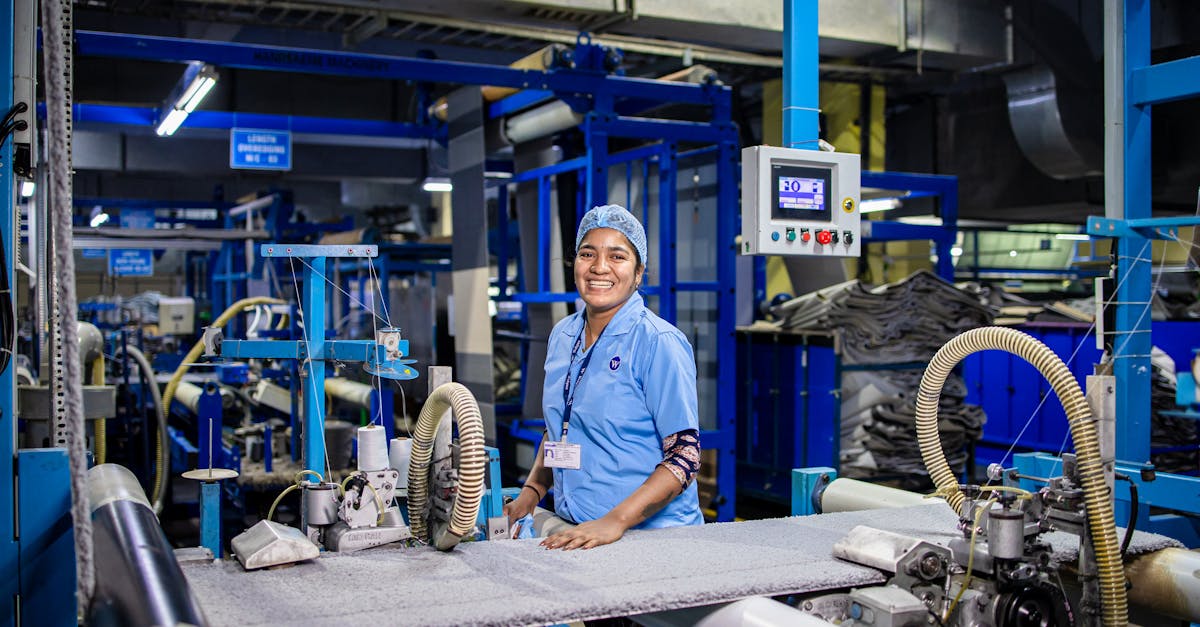
A Surge in Labor Productivity
Labor productivity in the United States spiked by an astonishing 4.4% in the last quarter, sending ripples through economic projections and strategies. This surge, when adjusted for inflation, represents the most significant quarterly jump since 2021. With inflation currently sitting at 3.8% as of April 1, 2026, this productivity growth marks a pivotal moment for an economy grappling with rising costs and evolving labor dynamics.
Global Perspective: The U.S. Versus the World
Comparatively, America’s productivity growth stands out in contrast to other major economies. For instance, the Eurozone reported modest gains of around 2.1%, while Japan struggled to achieve even the 1.5% mark. These figures underscore the U.S.’s competitive strength in maximizing output per labor hour, propelling it ahead in the global race for economic resilience. Amid a global landscape of uncertainty, the American workforce appears remarkably adaptive and productive.
Year-on-Year Comparisons: A Data-Driven Landscape
When turning to year-on-year figures, the picture becomes even clearer. Labor productivity increased by 3.2% from this time last year, a formidable rise that signals a substantial uptick amid an inflationary environment. This growth is crucial at a time when the unemployment rate stands at 4.3%. Workers are not merely finding jobs; they are becoming increasingly efficient and effective in their output. The implications of this trend are profound, potentially influencing wage negotiations and corporate profitability.
The Interplay of Interest Rates and Productivity
Tied closely to labor productivity is the current interest rate environment. With the Federal Reserve maintaining rates at 3.64%, businesses facing higher costs can leverage this productivity spike to offset financial pressures. A robust productivity metric allows companies to negotiate from a position of strength, ensuring that operational efficiencies translate into improved profit margins, even as borrowing costs rise.
Looking Deeper: The Sectors Driving Change
Digging into sectoral performance reveals that services and technology industries are front and center in this productivity resurgence. For instance, information technology sectors reported growth rates exceeding 5%, with firms leveraging automation and digital tools to enhance output. Meanwhile, traditional sectors like manufacturing, while still effective, see increases of around 2.5%, indicating a divergence in how industries respond to modern challenges.
Prospects for Long-Term Growth
As we eye the horizon, one compelling question emerges: can the U.S. sustain this productivity growth amid persistent economic pressures? If the current trends continue, businesses that harness these productivity gains may find themselves in a stronger competitive position. However, such strength will be tested by external factors including international competition and domestic policies aimed at fostering sustainable economic growth. The interplay of labor productivity with inflation and interest rates will be critical in shaping the path forward.