Productivity Takes a Breather
U.S. labor productivity slipped by 0.8% in the last quarter, marking the third consecutive quarterly decline. This downturn signifies a critical juncture in economic performance, as the nation grapples with shifting dynamics in both the labor market and inflation.
A Comparison of Numbers
When placing this decline in context, it is essential to consider last year’s figures. In 2025, labor productivity had shown a robust growth rate of nearly 2.5%, reflecting the economic recovery following the pandemic. Now, the retrenchment poses significant questions. Countries such as Germany reported a productivity increase of 1.2% in the same timeframe, showcasing how advanced economies outside the U.S. are maneuvering through the post-pandemic landscape with relative agility. Meanwhile, the United Kingdom’s productivity increased slightly by 0.3%, emphasizing a widening gap that might affect international competitiveness.
Stability or Stagnation?
Adding to the complexity is the inflation rate, which is currently reported at 2.4%. This moderation in inflation could suggest that cost pressures are easing; however, rising costs can paradoxically contribute to lower productivity if businesses cannot pass those costs onto consumers. The recent unemployment rate of 4.4% indicates a tighter labor market, creating potential upward pressure for wages, further complicating the productivity equation.
The Ripple Effects of Interest Rates
Interest rates sit at 3.64%, as established by the Federal Reserve. This figure signals an attempt to control inflation while maintaining economic growth. Higher interest rates typically mean increased borrowing costs for companies, deterring investment in productivity-enhancing technology or expansion projects. Many are left pondering whether these rates could stifle innovation and lag advancements in productivity.
Workers vs. Automation
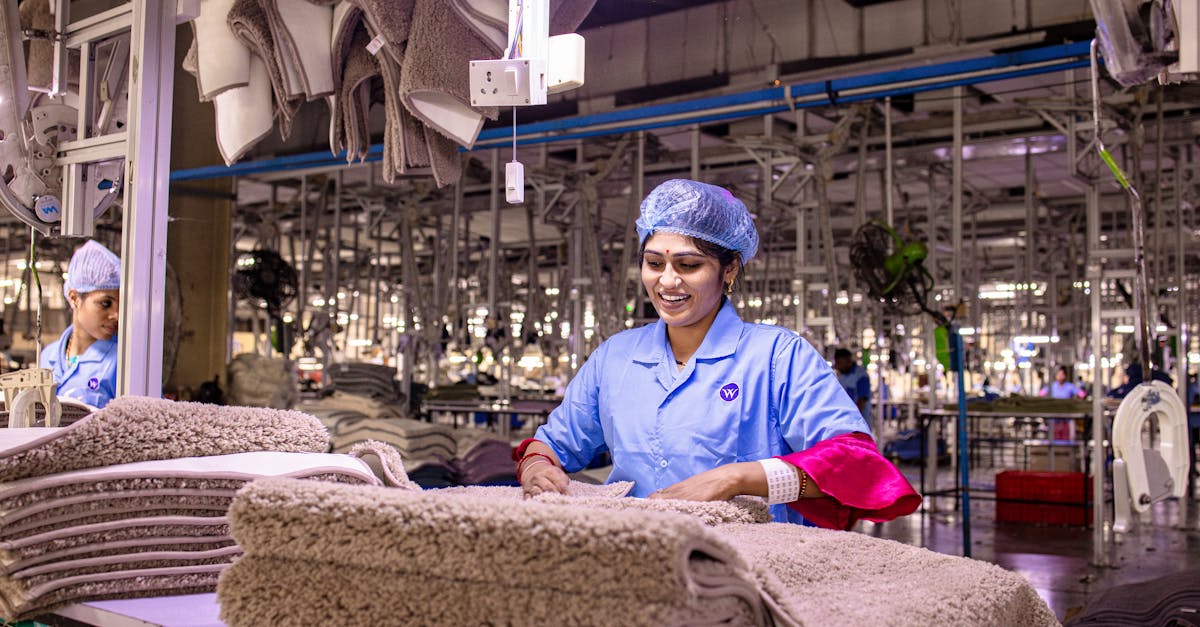
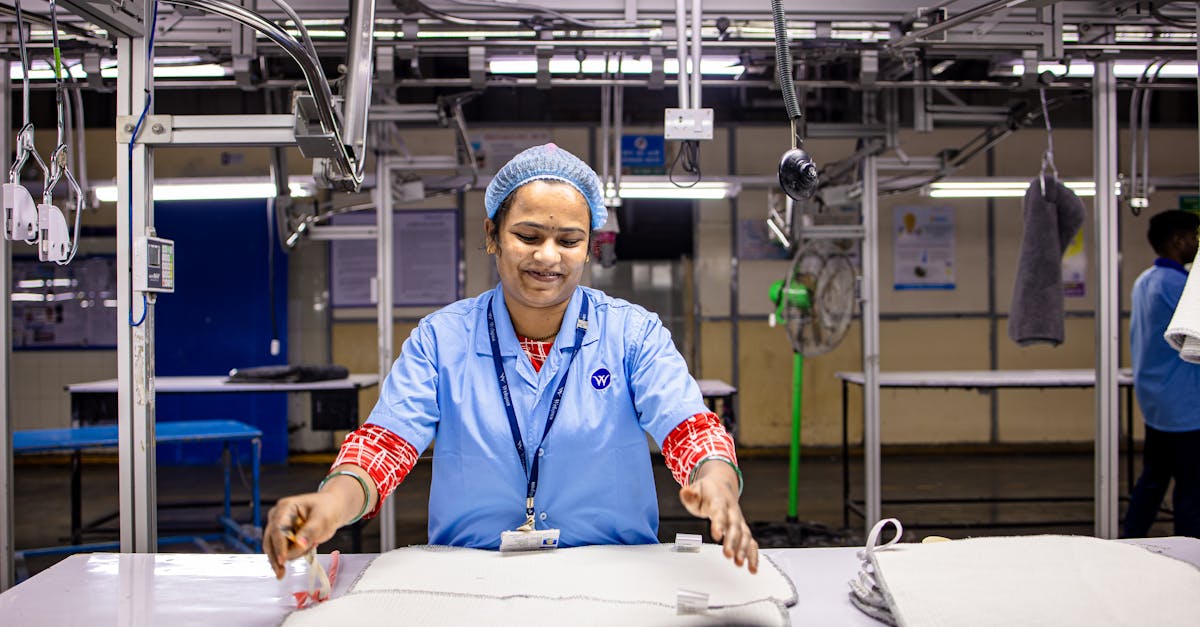
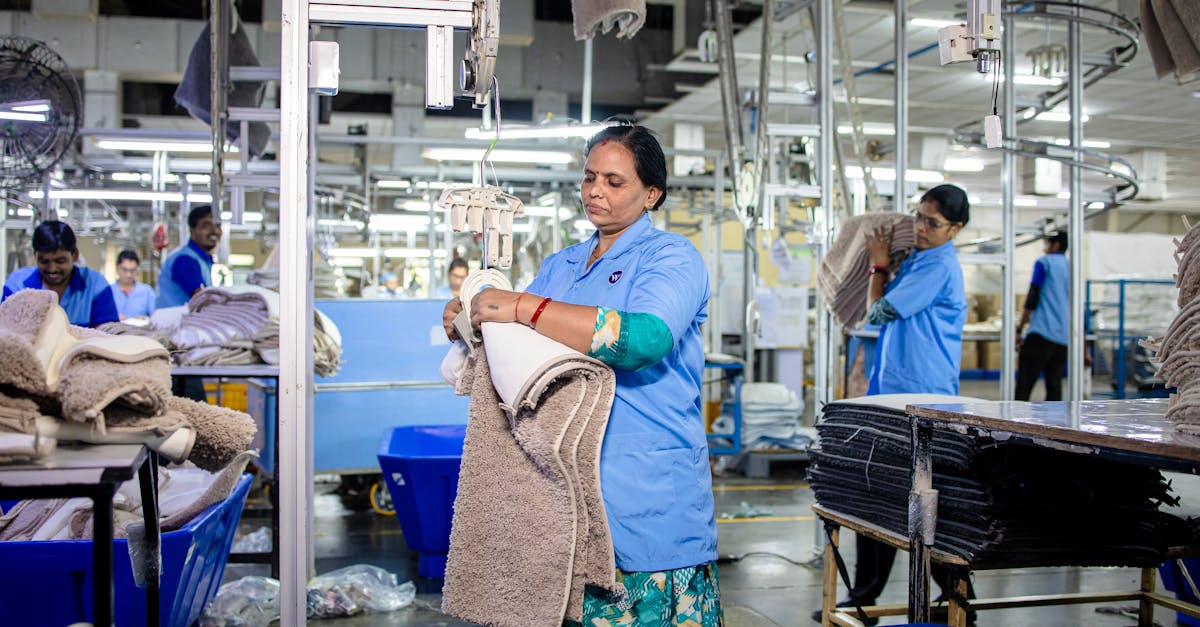
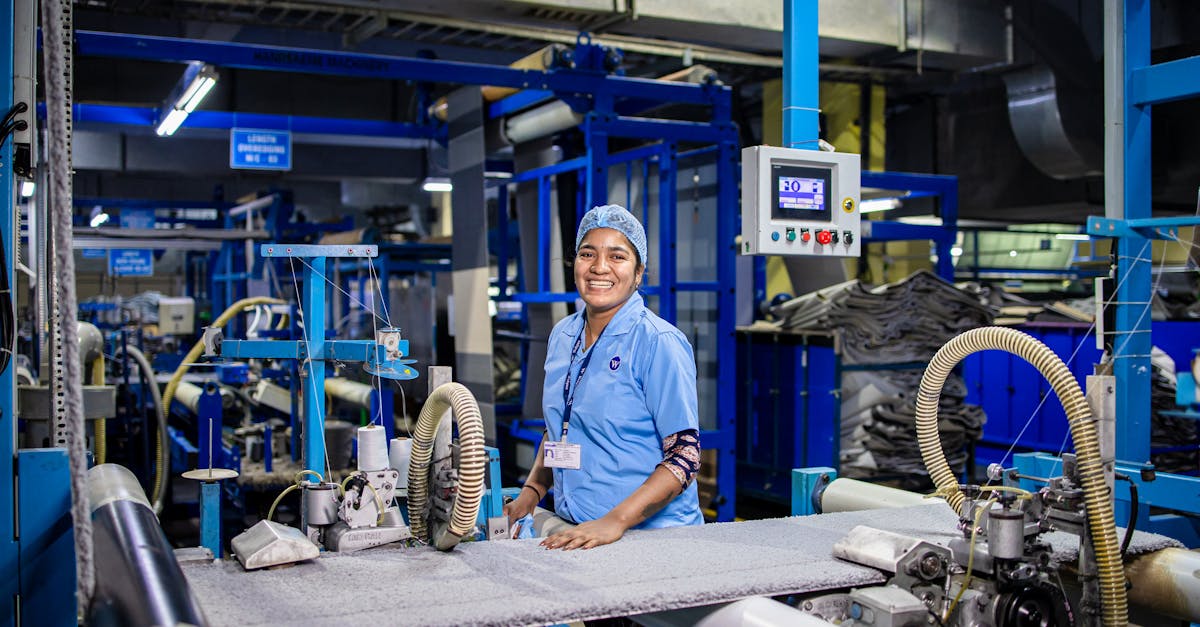
The current contraction in productivity hints at a clash between the human workforce and automation. Companies are facing a labor shortage exacerbated by higher wages, but the technological leap that industries need to offset rising costs seems sluggish. Firms that successfully integrate automation may thrive, yet those that remain tethered to traditional labor models might struggle.
Looking Toward Innovation
As the landscape evolves, the quest for innovative solutions is more pressing than ever. The American workforce often proudly leads in creativity and technological advancements; however, the ongoing decline in productivity raises alarms. Stakeholders, from business leaders to policymakers, must zero in on fostering a climate conducive to investment not only in automation but also in skill enhancement for workers.
This unique juncture presents both challenges and opportunities: the quest for U.S. productivity resilience will depend on navigating these multifaceted currents of inflation, employment, and investment. The next chapter in labor productivity will likely hinge on how well America adapts to these economic changes and harnesses its innovative potential.