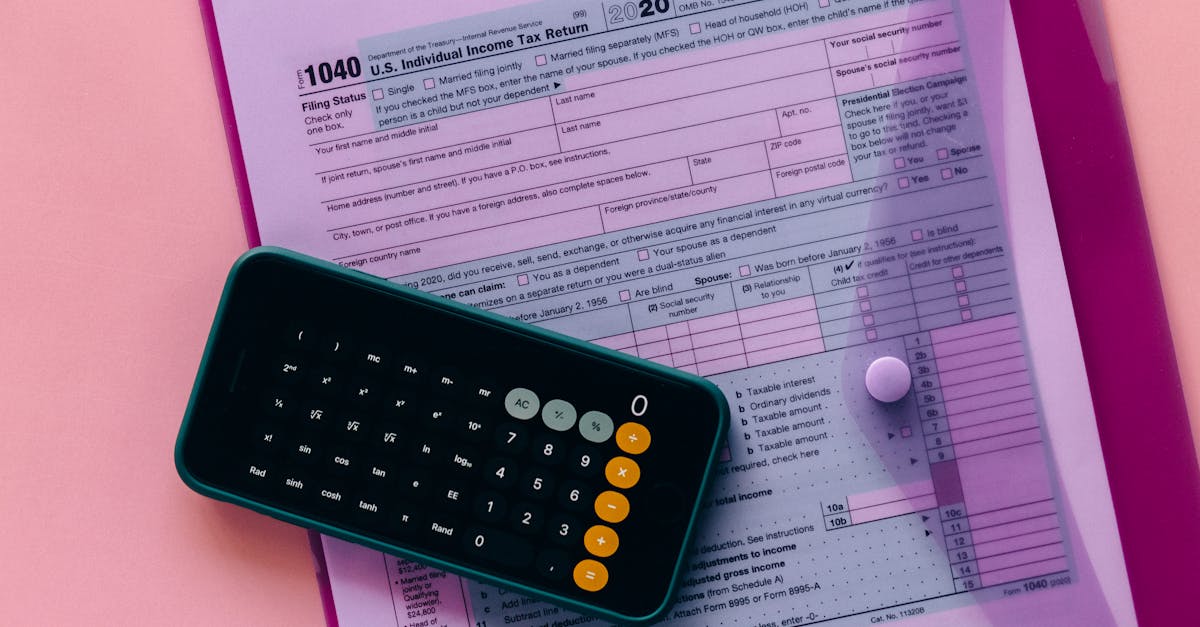
Why Does the Tax System Matter for Everyday Americans?
Understanding the U.S. tax system can feel daunting, yet its mechanics significantly affect the daily lives of citizens. The tax system is fundamentally designed to fund public services and infrastructure, but it also shapes individual behaviors, economic decisions, and social equity. By dissecting its cause-and-effect relationships, we can gain a clearer picture of its implications for Americans at all income levels.
Revenue Flow: From Tax Codes to Services
At its core, the U.S. tax system relies on a mix of federal, state, and local taxes. The federal government primarily collects income taxes, while states often implement their own sales and property taxes. The mechanism through which these taxes route funds into public services is a direct contributor to the economic fabric of communities.
For instance, federal income taxes are progressive, meaning those with higher incomes pay a larger percentage than those with lower incomes. This structure aims to reduce income inequality and provide necessary funding for public programs such as education, healthcare, and national defense. As of recent reports, total federal tax revenue stood at over $4.9 trillion, underlining the government’s substantial reliance on this income for accountability.
A direct effect on real individuals? Higher-income families experience a heavier tax load, while lower-income families may benefit significantly from subsidized programs resulting from those taxes.
The Influence of Tax Breaks and Credits
Tax breaks and credits serve as key mechanisms that can alter economic behaviors and influence spending. Common reductions such as the Child Tax Credit (CTC) and Earned Income Tax Credit (EITC) are structured to provide relief for lower-income families. For instance, the CTC was expanded to $3,600 per qualifying child, significantly impacting financial planning for many households.
- Child Tax Credit: Up to $3,600 per dependent child
- Earned Income Tax Credit: Up to $7,430 based on income and family size
The immediate effect? Families benefit from increased disposable income, which can lead to higher spending on essentials—stimulating local economies. However, these credits come with eligibility requirements, creating a complex interplay between tax liability and household financial stability.
The Role of State and Local Taxes
It’s essential to factor in state and local taxes, which vary immensely based on geographic and political climates. Some states rely heavily on sales tax, while others depend on property tax revenue. This can lead to vastly different experiences for residents. For instance, people in states with no income tax, like Florida, might find their budgets considerably more flexible than those in high-income tax states like California.
Furthermore, local governments often impose taxes on services and real estate, placing additional burdens or providing support structures. These local taxes can be a double-edged sword. While they fund crucial services like schools and emergency responders, they can also exacerbate problems of affordability in rapidly developing areas.
Future Crucibles: Inflation and Interest Rates
Currently, a 3.3% inflation rate presents a challenge for taxpayers, as it erodes purchasing power and complicates budgeting. Coupled with a 4.3% unemployment rate and a 3.64% interest rate, the fiscal landscape demands that the U.S. government continually reassesses tax policies to bolster economic recovery and support growth.
What should Americans keep an eye on? With legislation focusing on tax reforms aimed at wealth redistribution and economic stimulus, the next few years could see shifts that either ease tax burdens on the middle class or adjust the rates for higher-income brackets, influencing consumer attitude and overall spending patterns.
As changes in tax policies evolve, understanding their ripple effects on ordinary citizens and the economy will illuminate the importance of active civic engagement and informed decision-making.