The U.S. government recorded a staggering $1.4 trillion budget deficit in the last fiscal year, a number that sends ripples through the economy. This figure not only highlights the challenges of balancing ambitious spending with revenue generation but also serves as a wake-up call to policymakers and citizens alike.
At a macro level, the increase in the deficit reflects ongoing expenditures related to pandemic recovery and inflation alleviation measures. Federal spending surged to $6.4 trillion in a climate where revenues only amounted to $5 trillion, thus intensifying the scrutiny on the fiscal trajectory of the nation. The fiscal gap, which is now 6.1% of GDP, pushes the limits of permissible borrowing and threatens to disturb the financial equilibrium that many rely on.
Delving into specifics, social security and healthcare costs have significantly contributed to this widening deficit, with outlays in these areas alone accounting for nearly 50% of total spending. With millions of baby boomers retiring daily, the pressure on these programs intensifies. In fact, projections estimate that Medicare spending will nearly double by the end of the decade, underscoring the urgent need for sustainable reforms.
For the average American, these figures translate into weighty implications. As federal spending continues to rise, the government has limited capacity to invest in critical sectors like infrastructure, education, and technology, which can directly impact job creation and wages. Moreover, increasing debt often sows seeds for inflation down the line, eating away at purchasing power. As the Federal Reserve monitors inflation, a significant deficit constrains their ability to react to economic downturns, particularly when interest rates are at risk of soaring further.
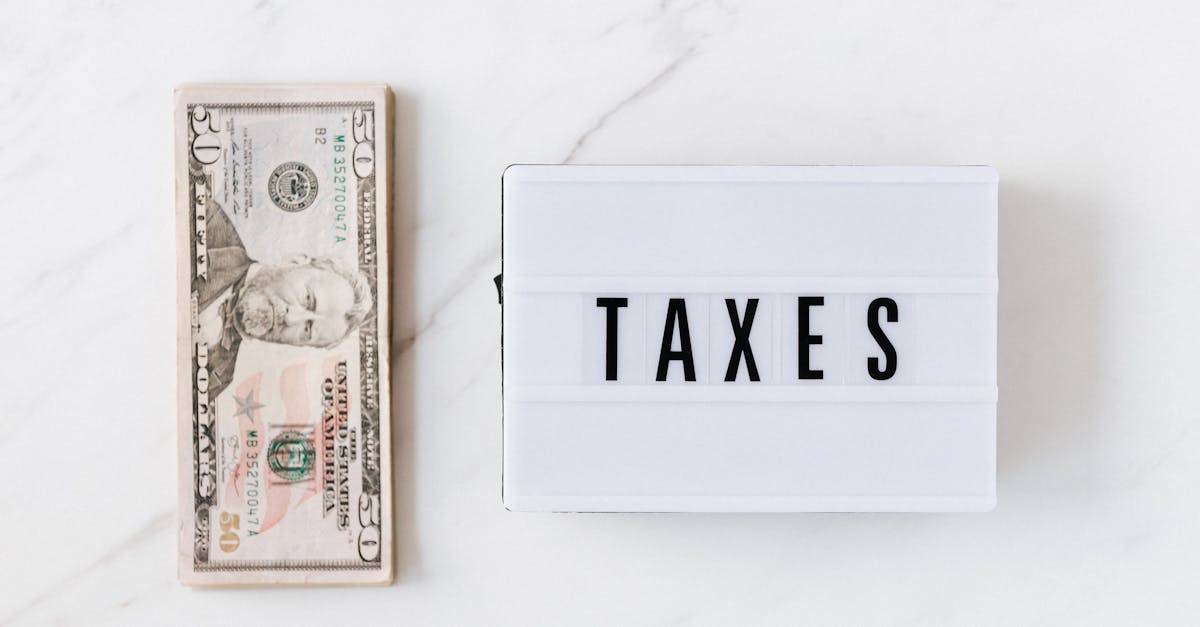
Political divides complicate fiscal policy decisions, with debates surrounding tax reforms gaining prominence. President Biden’s proposal to increase corporate tax rates from 21% to 28% is estimated to raise an additional $1 trillion over a decade, but opposition remains fierce. Republicans argue that higher taxes may stifle economic growth and investment, creating a stalemate on legislative fronts.
Meanwhile, inflation pressures exacerbate an already delicate fiscal balance. The Consumer Price Index grew by 8.3% year-on-year as of last month, pushing the Fed toward aggressive interest rate hikes which, in turn, impact borrowing costs for consumers and businesses alike. Home mortgage rates, for instance, recently climbed to an average of 7%—the highest in decades—dampening the housing market and setting the stage for a potential recession if patterns persist.
As the nation grapples with a multi-trillion dollar deficit, the conversation shifts from mere numbers to the human side of economics. Households with adjustable-rate loans are particularly vulnerable, as rising interest rates mean that monthly payments may escalate, straining budgets. Ultimately, America’s fiscal outlook casts a shadow over day-to-day life—manifesting in everything from grocery costs to housing and job security.
Moving forward, the critical question remains: how will the government navigate its fiscal realities amidst rising spending pressures and inflationary forces? The road ahead will demand coordinated efforts focusing on sustainable growth and a reflection on fiscal priorities.