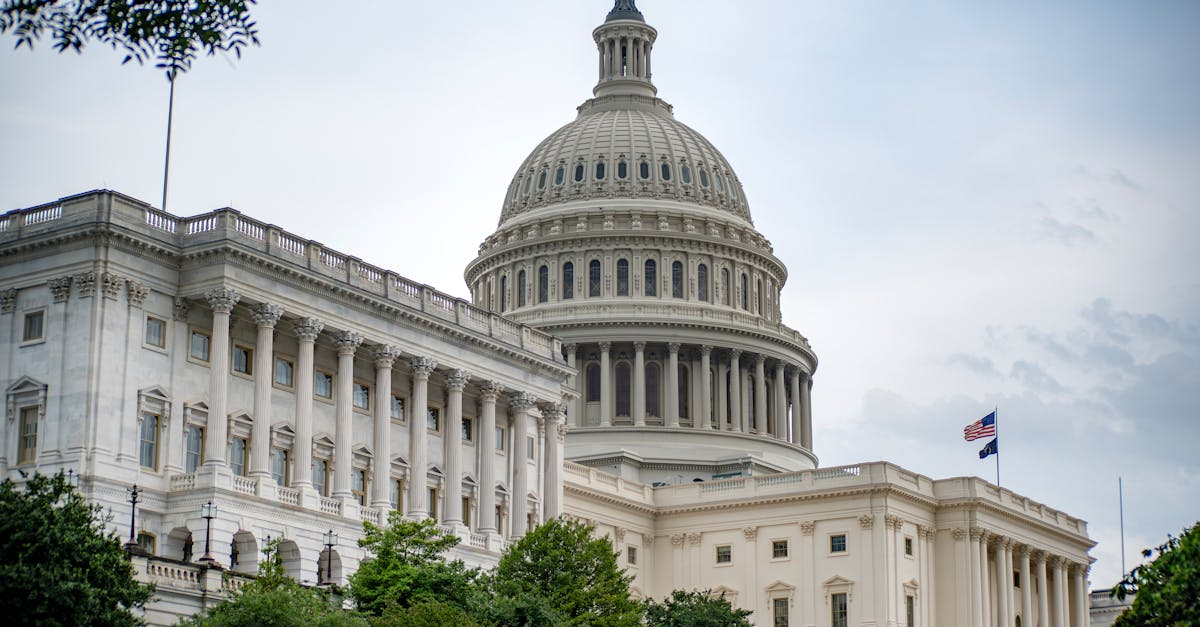
The Federal Debt: A Staggering $33 Trillion
The United States government now shoulders a federal debt exceeding $33 trillion—a figure that grew by nearly 30% in just over three years. This extraordinary leap signals not just a shift in fiscal policy philosophy, but reflects both a political and economic landscape increasingly dictated by the need for expansive government intervention amid crises like the COVID-19 pandemic and ongoing global conflicts.
Implications of Increased Borrowing
When looking at the national debt as a percentage of Gross Domestic Product (GDP), this soaring figure equates to approximately 125% of GDP, approaching levels not seen since World War II. Such a hefty burden could stymie future economic growth; the Federal Reserve has indicated that significant debt levels can impede monetary policy effectiveness, restrict fiscal initiatives, and dampen productivity.
The Ripple Effect on Taxation
This burgeoning debt generates pressure on taxpayer pockets. Analysts estimate that higher federal debt will come with increased interest rates, projected to reach an unsettling level of 4% by the end of the year according to the Federal Reserve. Consequently, future generations may face heightened taxation burdens as the government seeks to service that debt—money that could otherwise be funneled into healthcare, education, and renewable energy.
Spending Priorities and Economic Justice
In fiscal discussions, inflation has become an undeniable player. The Consumer Price Index (CPI) rose by 3.7% in September, a number that underscores ongoing cost pressures on households. The nexus of rising costs and hefty federal spending choices poses questions about equity—who benefits from government spending and who bears the cost? Allocations toward social services and infrastructure are battling an uphill struggle against funding deficits that can’t seem to keep pace with rising debt.
The Fiscal Filter on State-Level Policies
Local governments also feel the pinch of federal fiscal strategies. A report from the Bureau of Economic Analysis indicates that state expenditures have grown slower than federal outlays, limiting states’ capabilities for investment in vital services. As cities and states face their own deficits, communities may see increased property taxes and reduced public services, resulting in a pronounced impact on everyday lives.
Fed’s Interest Rate Maneuvering
Amid this climate, the Federal Reserve’s current approach remains crucial. The central bank has raised interest rates several times since 2022 to fight inflation, including a recent quarter-point hike that brought the benchmark rate to a range of 5.25% to 5.50%. As borrowing costs rise for both businesses and consumers, the trickle-down effect could lead to tighter credit conditions, something which many small businesses depend on for survival.
The Human Cost of Fiscal Policy
The human experience cannot be overlooked in the metrics of national debt and fiscal policy. Families are grappling with elevated costs for essentials, from food to housing. As the fiscal policies become more pronounced, the question emerges: how will families budget for their futures amidst an economic landscape marked by uncertainty and rising living costs?
The Path Forward
With the weight of debt firmly resting on economic shoulders, upcoming fiscal policy decisions will dictate both national and personal financial avenues. The challenge lies in striking a balance that promotes growth without spiraling into unsustainable debt—an endeavor that could redefine the American fiscal landscape for years to come.