As the summer sun dipped below the horizon, the Thompson family gathered around their dinner table to share stories from their day. In a cozy suburb of Ohio, it was a time for catching up, but tonight, the conversation took a sharp turn toward the economy. Karen and Jake, the parents, began discussing a new set of kitchen gadgets that had recently arrived from Thailand, igniting a discussion about where their country stands in the global trade landscape.
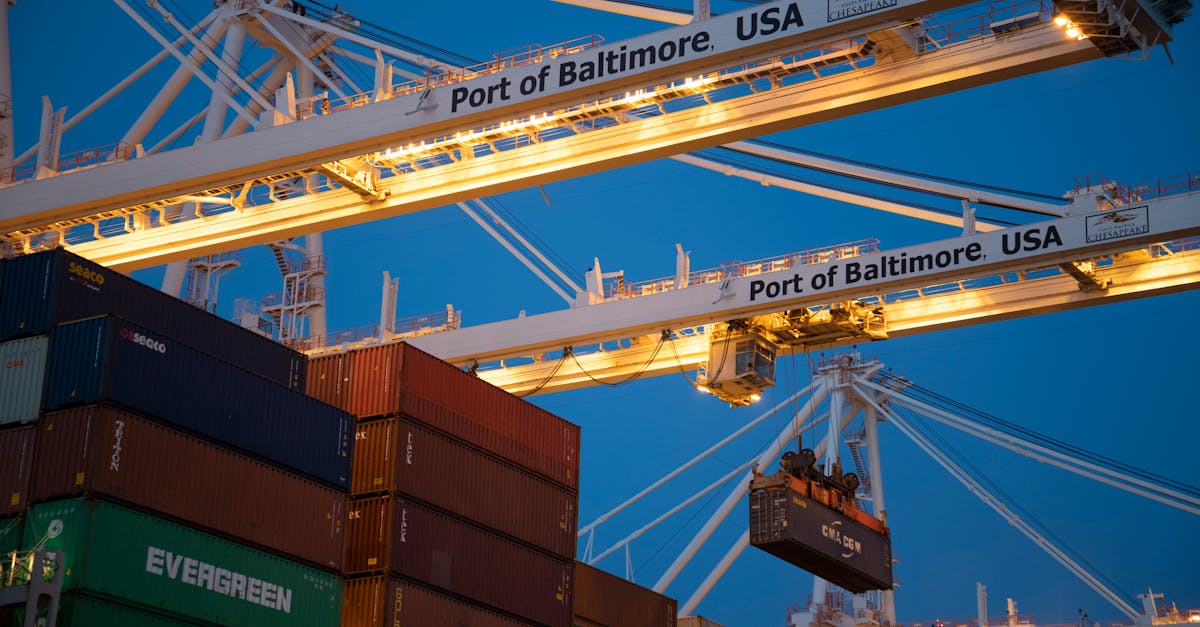
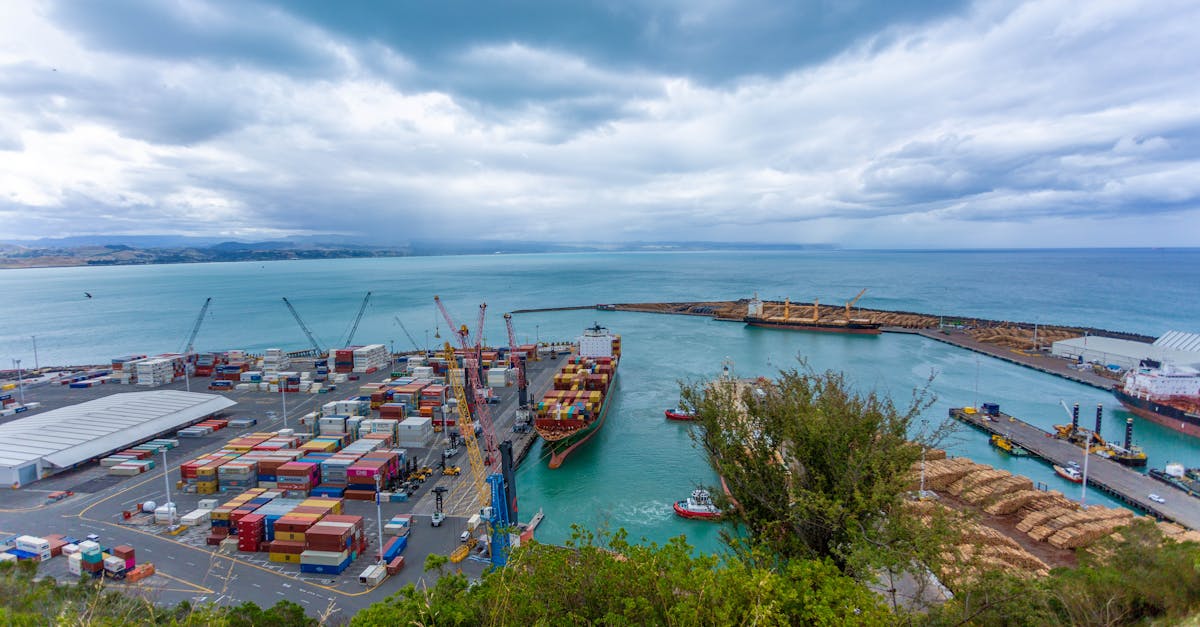
This month, the U.S. trade balance figures came in, painting a vivid picture of how international commerce reverberates through ordinary lives. The trade deficit expanded to $73.53 billion in August, driven primarily by a 1.4% dip in exports, resulting in a chain reaction that rippled through the local economy. For the Thompsons, the imports from foreign lands brought fresh styles and savings to their household, but the price to pay was the burgeoning trade gap.
In its latest findings, the Bureau of Economic Analysis revealed that exports dropped to $250.25 billion, while imports surged to $323.78 billion. To put these numbers into perspective, imagine the height of the Empire State Building — the difference in value between exports and imports stands as tall as a stack of those buildings, each representing potential American products and services that could have been sold overseas instead of the foreign goods flooding the market.
Jake, a local contractor, felt the pinch of this global trade imbalance in the form of rising material costs. His work increasingly involved sourcing alternative suppliers for essential building materials, like steel and lumber, both heavily impacted by international trade dynamics. As Jake explained, some products made overseas are cheaper, but the paradox lies in their impact on U.S. manufacturing jobs. When consumers opt for imports, part of the foundation of his business — and dozens like it — becomes seemingly precarious.
Now, let’s add another layer to this narrative. While imports often mean access to affordable goods, the trade deficit underscores a critical point: America’s exports are an essential engine of economic growth. Despite the falling numbers, U.S. exports still reflect significant potential, especially in sectors like aerospace, pharmaceuticals, and agricultural products. In August, U.S. agricultural exports alone topped $12 billion, showcasing a robust market for American farmers. While the Thompsons enjoyed their high-tech gadgets, it is important to consider that their livelihoods are intertwined with supporting an export-driven agricultural economy.
As Karen drilled into the financial implications for the family, she pondered how their spending decisions affect local suppliers and manufacturers. Each gadget, each purchase has a ripple effect, impacting workers across the nation. For every product imported, there exists an opportunity cost that can mean fewer jobs in industries that are vital for American growth and innovation.
Late into the evening, as the kids headed up to bed, the couple reflected on the intertwined nature of global trade and their family life. The allure of lower prices can often blind consumers to the reality faced by American workers, including their neighbor who lost a job due to foreign competition.
As the Thompsons closed their conversation, they realized the importance of being conscious consumers. They understood that their spending habits directly influenced their community’s economy, creating a blend of global and local stories. The balance of their family budget was as vital as the trade balance, entwined in a larger narrative of domestic and international trade relations.
Trade and export statistics might seem like abstract numbers to many, but as the Thompson family’s story illustrates, those figures can shape destinies and define the doorway to opportunity. Their dinner table conversation was more than a mere exchange of thoughts; it represented the nexus between global and local economies, heightening awareness of the choices that shape American life—a cycle of imports and exports that ultimately brings us all a little closer together.