A Rate That’s Hard to Ignore
At 3.64%, the Federal Reserve’s interest rate is the highest it’s been in years, marking a significant pivot from the near-zero policies that dominated during the pandemic’s peak. This rate reflects the Fed’s aggressive strategy to curb inflation, which peaked at 9.1% in June of 2022, well above the target rate of 2%. The rapid increase in borrowing costs aims to stabilize prices but now poses new challenges for consumers and businesses alike.
An Introspection on Global Comparisons
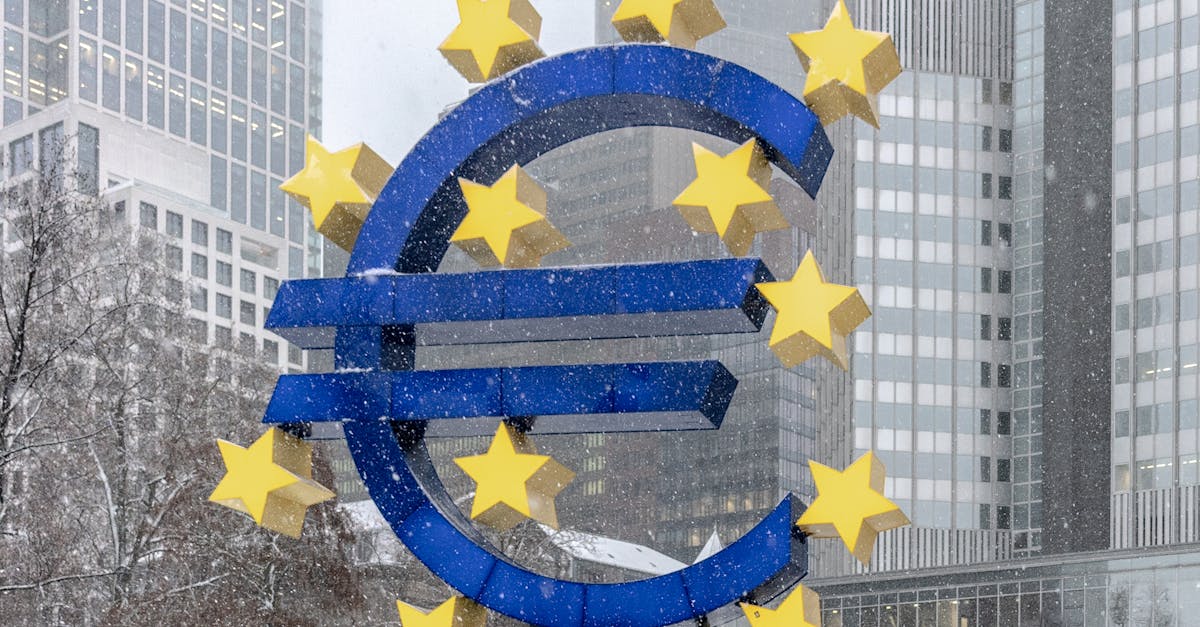
The U.S. rate compares sharply against global counterparts. For instance, the European Central Bank recently set rates at 3.5%, while Japan remains anchored near 0.10%. Higher U.S. rates could strengthen the dollar, impacting exports and raising the stakes for American manufacturing, which saw a contraction in purchasing managers’ indices as a result of earlier 2023 data showing lower demand.
The Fed’s strategy diverges markedly from that of central banks in emerging markets, many of which have yet to tighten their monetary policies considerably. While Turkey’s Central Bank sits around 30%, reflecting unique economic pressures, the contrast underscores the complexities faced by the Fed in balancing inflation control with growth sustainability.
A Hard Look at Domestic Economic Indicators
Current data further illustrate mixed signals in the domestic economy. As of February, the unemployment rate stands at 4.1%, reflecting relative stability but showing signs of potential strain as layoffs have become more prevalent in tech and finance sectors—key indicators of economic health. Furthermore, consumer confidence measures have exhibited volatility, dipping from over 100 points to 87.1 in January of this year, hinting at shifting perceptions of economic resilience.
Housing starts, a bellwether for economic activity, plummeted by 24% year-over-year, signaling that higher mortgage rates (part of the climb in interest rates) are assuming a heavy toll on affordability. The median home price has depreciated slightly, yet remains considerably higher than pre-pandemic levels, suggesting that affordability continues to be elusive for many prospective buyers.
Banking on the Future
Wall Street remains cautious. Fed futures markets predict a gradual reduction in rates as soon as late 2026, a liquidity reset that could stimulate the economy. Yet the timing of any pivot hinges on inflation and employment metrics. Consumers and businesses may need to hold on a bit longer as the effects of aggressive monetary policy percolate through the economy.
The Balancing Act Ahead
The Fed’s current dilemma hinges on a compelling balancing act: continuing to reign in inflation without stifling growth. The latest projections from the Federal Open Market Committee suggest that growth might stabilize around 2% for the next year against a backdrop of higher borrowing costs. As the Fed grapples with the uncertainties of persistent inflation and evolving domestic conditions, the intricate dance of interest rates will be closely monitored—not just on Wall Street, but at every kitchen table.
Every basis point extracted will see ripples throughout the economy, shaping financing costs, consumer behavior, and ultimately, growth trajectories. As we venture deeper into 2026, America’s economic landscape is set for testing times, revealing the resilience of both policymakers and the citizenry in navigating the currents of a recovering economy.