Why Does the U.S. Tax System Matter?
Understanding the U.S. tax system isn’t simply an exercise in fiscal policy; it directly impacts Americans at every income level and influences larger economic trends. The link between taxation, public spending, and individual economic well-being is often complex, but crucial.
The Mechanics of Taxation
The U.S. tax system primarily comprises three categories: income tax, payroll tax, and corporate tax. Each plays a role in shaping both government revenue and citizens’ financial situations.
-
Income Tax: This is structured progressively, meaning higher earners pay a larger percentage of their income as tax. For example, individuals making over $523,600 may see rates as high as 37%. The implication? A well-off family may adjust their spending, saving, or investment behaviors in direct response to their tax liabilities.
-
Payroll Tax: Primarily funding Social Security and Medicare, payroll taxes amount to 15.3%, split evenly between employer and employee. If someone earns $50,000, that translates to a significant $7,650 directed towards these programs. This affects take-home pay, shaping everyday decisions like housing and healthcare.
-
Corporate Tax: The corporate tax rate is set at 21%, a figure that influences business investment and job creation. Higher taxes may lead to reduced corporate profitability, potentially affecting wages or hiring practices, which cascades into the job market.
Key Economic Indicators in Context
- Inflation: 3.8%
- Unemployment Rate: 4.3%
- Interest Rate: 3.64%
These figures serve as background noise, painting a picture of the broader economic conditions that shape tax revenues and, conversely, the government’s fiscal space.
Interactions Between Taxes and Economic Conditions
As inflation hovers at a notable 3.8%, the cost of living rises for all, forcing families to adjust their budgets. In response, many taxpayers may seek deductions or credits to mitigate rising expenses, thereby affecting the overall effectiveness of tax efficiency.
Simultaneously, with an unemployment rate of 4.3%, job stability influences tax revenue. Fewer unemployed individuals typically generate more tax revenue, yet if economic conditions shift and layoffs become prevalent, this revenue stream might dwindle.
Interest rates, recently at 3.64%, further complicate this interrelationship. Higher borrowing costs often lead businesses to hold off on expansion or hiring, which in turn affects payroll tax contributions and employment levels.
Practical Impact on Lives
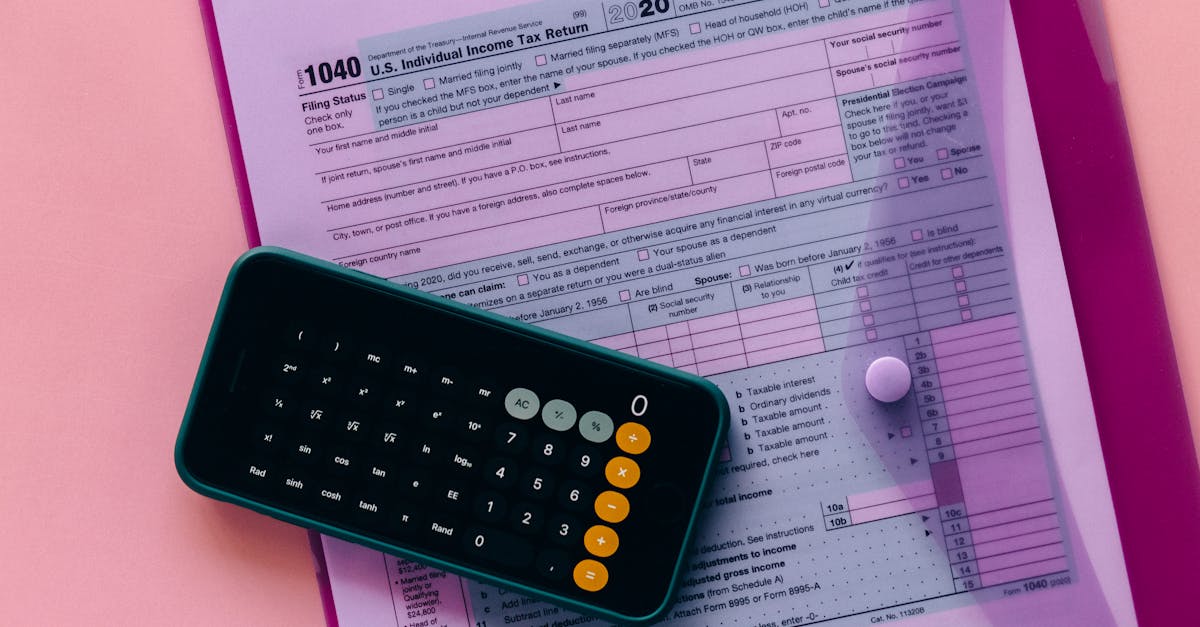
This elaborate system often leaves taxpayers navigating a tangled web of forms, deductions, and regulations. An average household is not just impacted by these numbers but must also adapt their financial strategies around them:
- Understanding Tax Credits: Many families leverage credits to offset expenses, particularly in education or child care.
- Investment Shifts: The corporate sector may reevaluate expansion plans based on tax liabilities, which directly impacts local job creation.
What to Watch
As policymakers deliberate on potential reforms, taxpayers should monitor discussions around tax relief measures and tax code adaptations. Promises for simplified tax codes or adjustments to the corporate tax rate could reshape the landscape, affecting not just calculations at tax time but also broader economic stability and confidence.
In a world where taxes heavily influence financial well-being, being informed creates opportunities for better economic positioning.