A New Frontier at 3.63%
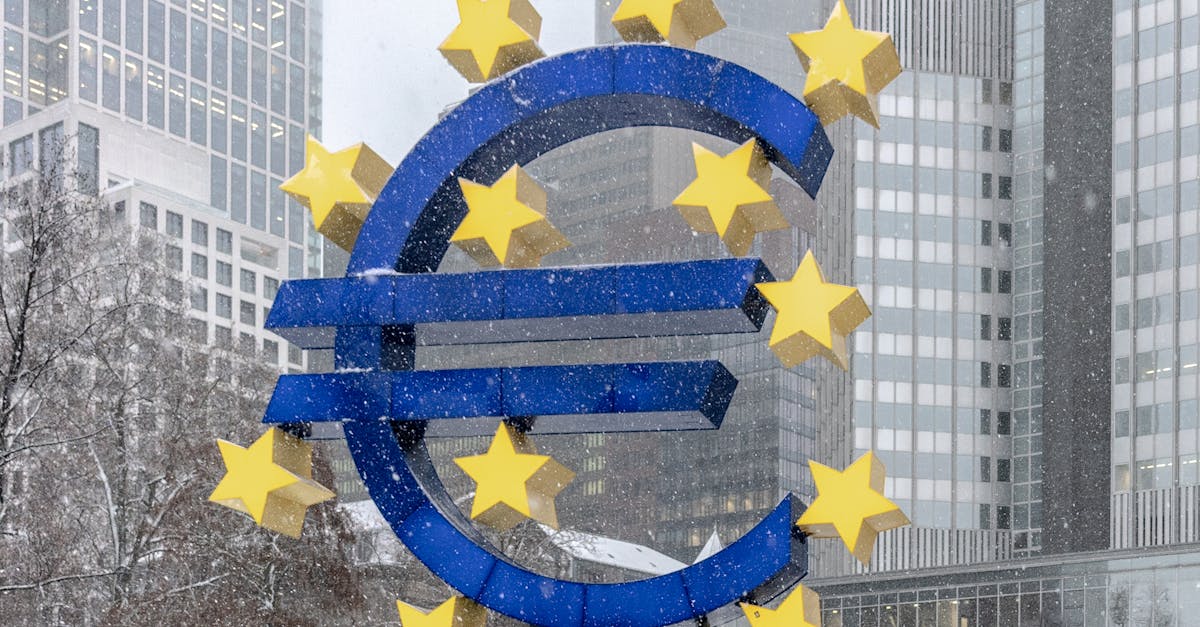
As of early May, central bank interest rates in the United States stand at 3.63%, a critical pivot point revealing the balance between inflation control and economic growth. This level not only reflects the Federal Reserve’s ongoing efforts to rein in inflation but also positions the U.S. well above many of its counterparts on the global stage. For comparison, central banks in the Eurozone currently hover around 3.00%, while Japan continues to grapple with a rate firmly set at 0.10%.
Inflationary Pressures and Fed Response
The Federal Reserve’s interest rate hikes, which have escalated since earlier years, underscore its resolve to combat persistent inflation. Annual inflation rates peaked above 9% in mid-2022, and today’s elevated interest rate is a direct response to soaring consumer prices. This aggressive posture is not without its fingerprints; the Consumer Price Index (CPI) as of March is still tracking at 5%, indicative of the complexities surrounding price stability amid burgeoning economic growth.
Past efforts to normalize rates have painted a stark contrast to current efforts. A year ago, the rate was markedly lower at 1.00%, signaling how monetary policy has evolved in a turbulent economic landscape. The acceleration of these increments—sometimes as much as 75 basis points in a single meeting—illustrates the Fed’s urgency to recalibrate expectations about inflation and borrowing costs.
Figuring in Global Context
The international implications of U.S. rates cannot be understated. Higher interest rates tend to draw foreign investment, which strengthens the dollar but also places pressure on emerging markets that have debt denominated in USD. Countries like Brazil and Turkey, with rates of 13.75% and 25% respectively, are grappling with their own narratives of economic survival while contending with the ramifications of the Fed’s tightening policy.
This justification of higher rates in the U.S. serves not only to stave off inflation but also to add a layer of incentive for investors eyeing returns in a high-yield environment. Wallets on Wall Street are no strangers to these tactics, emphasizing the Fed’s balancing act.
A Delicate Dance of Growth and Prudence
Despite these changes, the labor market remains robust. Unemployment rates have stabilized around 4.0%, a testament to the resilience of U.S. economic dynamics in the face of tightening monetary policies. The latest job growth figures from the Bureau of Labor Statistics show that non-farm payroll employment has added an impressive number of jobs, further complicating the narrative around wage-induced inflation.
However, this landscape comes with its challenges. With cumulative rate hikes nearing mid-2023’s levels, the specter of a recession looms larger, accentuated by potential downturns in consumer spending as borrowing becomes more expensive. Indeed, the latest reports from the Fed indicate a noticeable slowdown in credit availability, suggesting that the costs of borrowing might soon take a greater toll on economic expansion.
Where Do We Go from Here?
As the Federal Reserve navigates the choppy waters of economic recovery, adjustments at the helm of interest rates will likely reflect the evolving landscape. Should inflation remain sticky, a prolonged period of elevated rates may redefine borrowing and spending across sectors. Those watching the economy should prepare for possible shifts in credit patterns and their corresponding impacts on everyday life.
Looking ahead, the U.S. stands at an intersection of economic trends—could the next move be a call for subtle rate easing, or will the Fed maintain its course as inflation dynamics continue to unfold? With the economic environment in constant flux, the next phase promises to be as intriguing as it is uncertain.