Imagine the Johnson family, who just sat down at their kitchen table, the scent of simmering chili wafting through the air. As they prepared for their weekly budget meeting, the household felt the weight of their financial decisions acutely. Sarah and Tom, both in their thirties, had been discussing whether it was worth dipping into their modest savings to invest in stocks. The allure of the market had recently caught their attention, especially after hearing positive reports from the business news.
With inflation currently measured at 2.4%, the dollar felt lighter in their hands compared to previous years. They had big dreams: saving enough for a home, paying for their daughter’s education, and maybe even planning a family vacation. Navigating through financial landscapes often felt like gambling, but they had learned that a well-informed approach could potentially provide an edge.
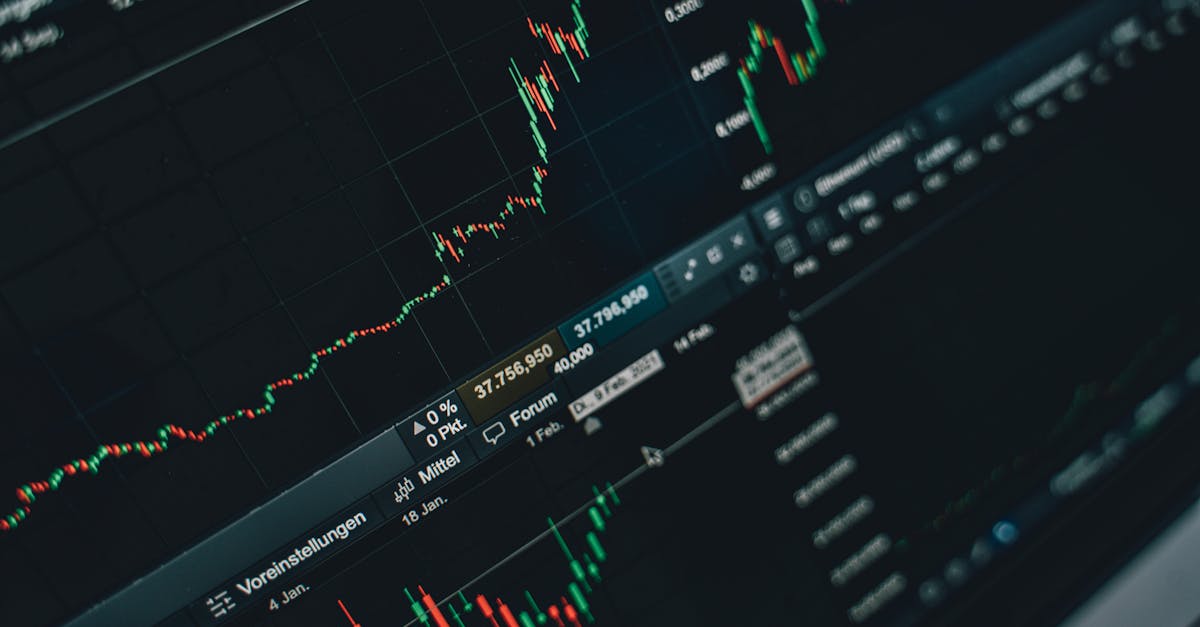
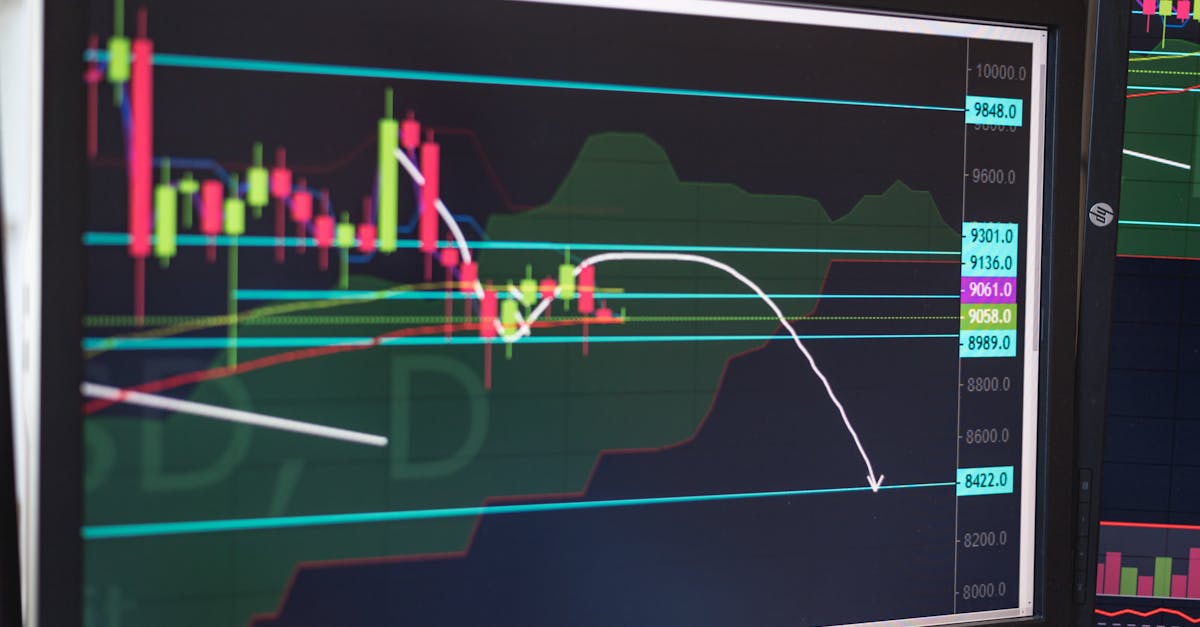
The stock market has indeed been a rollercoaster as of late. The S&P 500 has shown remarkable volatility, echoing broader economic conditions. Yet, under the surface of these fluctuations lies a more complicated narrative — one increasingly shaped by interest rates, inflation, and employment dynamics. The Federal Reserve’s recent steer on interest rates, with the current rate sitting at 3.64%, influences not just borrowing costs but also consumer behavior. Tom’s employer, a mid-sized tech firm, had been transitioning to a remote-work model, which conveniently cut down expenses but also prompted uncertainty about long-term profitability.
For the Johnsons, what does this mean in terms of investing in the stock market? Imagine that every percentage point rise in interest rates makes borrowing for new ventures increasingly expensive. Companies become wary of expansion, stifling potential growth. With unemployment hovering around 4.4%, job security remains on many minds, particularly for families like the Johnsons who rely heavily on steady paychecks.
In this climate, the prospect of putting their savings into the stock market to ride the wave of recovery is both tempting and risky. If the Johnsons were to invest now, they would be stepping into an environment that often rewards those willing to weather short-term losses for potential long-term gains. They compile investment options while pausing to discuss the timing amidst discussions of upcoming earnings reports and tech sector volatility.
Moreover, the Johnsons’ discussions aren’t just a personal matter. Their choices resonate with the broader shifts in economic sentiment across the nation. Market analysts suggest that the recent recovery, notably in the technology sector, was initially fueled by consumers looking to spend amidst high savings rates. Household savings rates surged during pandemic tumult, and despite drawing down some of that nest egg, families still carry a cushion that could bolster the stock market further.
As the family navigates through their decision-making, the backdrop of market fluctuations exacerbates their concerns about stability. Each paycheck, each investment, reflects not only their aspirations but also their anxieties in this ever-evolving landscape. It’s a shared experience for countless families across the U.S.: how do you balance growth potential with security in uncertain times?
The Johnsons decide to invest a portion of their savings in a mix of index funds, guided by their understanding of market trends and future predictions. As they close their weekly meeting, they hope that their investments will yield not just returns but also a stable foundation for their family’s dreams. The journey of investing, much like their evening meal, is about patience, planning, and ultimately, hoping for the best outcomes.
In the end, the markets remain fluid. As families like the Johnsons make decisions, they exemplify a broader trend, where investment choices become interwoven with daily life, reflecting aspirations shaped by economic forces far beyond their kitchen table.