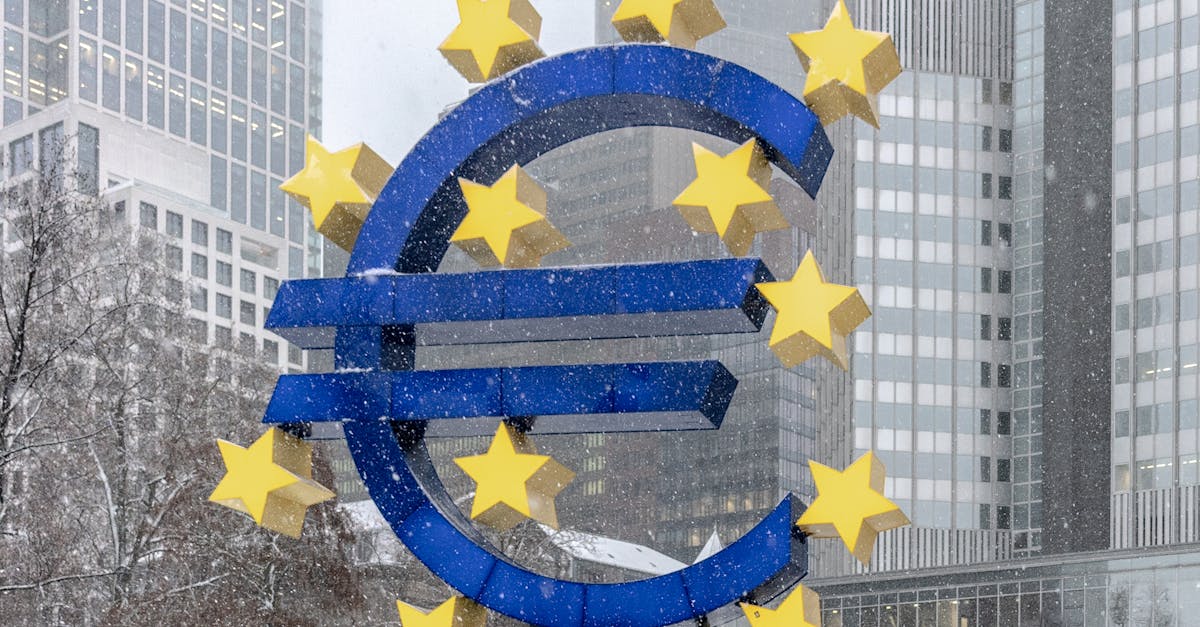
Interest Rates Hit a Tipping Point
The Federal Reserve’s recent adjustments have pushed U.S. central bank interest rates to 3.63%, marking a significant milestone in the ongoing tug-of-war between inflation and economic growth. This figure embodies the Fed’s commitment to combating soaring prices while navigating a post-pandemic economic landscape.
A Global Perspective
When juxtaposed with other advanced economies, the U.S. rate stands relatively high. As of now, the European Central Bank maintains a rate of 4.00% — a tight monetary policy reflecting similar concerns over inflation. Meanwhile, the Bank of England’s base rate is 4.25%. While U.S. interest rates are competitive, they are far from isolated; various global pressures highlight the interconnectedness of monetary policy across borders.
Inflation: The Relentless Beast
Inflation remains the primary antagonist in the Fed’s narrative. Over the past year, the Consumer Price Index (CPI) has consistently shown inflation rates hovering around 5.0%, significantly higher than the Fed’s target of 2%. This significant discrepancy illustrates a persistent struggle. Though inflation has decelerated from its peak of over 9% in 2022, it still asserts pressure on consumer purchasing power and business operations.
Interest Rates vs. Economic Growth
The rationale behind a 3.63% interest rate is the balancing act between stifling inflation without derailing the economic recovery. Official data indicates that U.S. GDP growth rate is expected to hover around 2.2% for the upcoming quarter, a sign of resilience despite headwinds. This growth is supported by robust consumer spending, which climbed by 4.2% in recent months, further complicating the Fed’s next steps.
What’s Next for Borrowers and Savers?
For consumers and businesses, the implications of this interest rate landscape are profound. Mortgage rates have reached levels not seen since early 2020, averaging around 6.5%, hampering home demand but potentially cooling an overheated market. On the flip side, savers are benefitting from higher yields on savings accounts, which are now inching above 1.5%. This dual-edged sword illustrates the nuanced impact of central bank policy.
The Forward March of Fed Policy
Eyes are undeniably on the Federal Reserve as it decides the course of its monetary policy. With inflation still a contender and economic growth showing signs of moderation, any further rate hikes could be strategically delayed. The upcoming Fed meetings will serve as vital turning points, as policymakers assess not only inflation data but also employment reports and global economic indicators.
Sailing Into Uncertain Waters
As the economic climate continues to shift, the horizon holds both opportunities and challenges. Financial markets will remain attentive to hints from the Fed about potential adjustments in their interest rate strategy, caught between the need to foster growth and the unrelenting grip of inflation. Navigating this economic odyssey demands not just careful policymaking but also informed decision-making by consumers and investors alike.