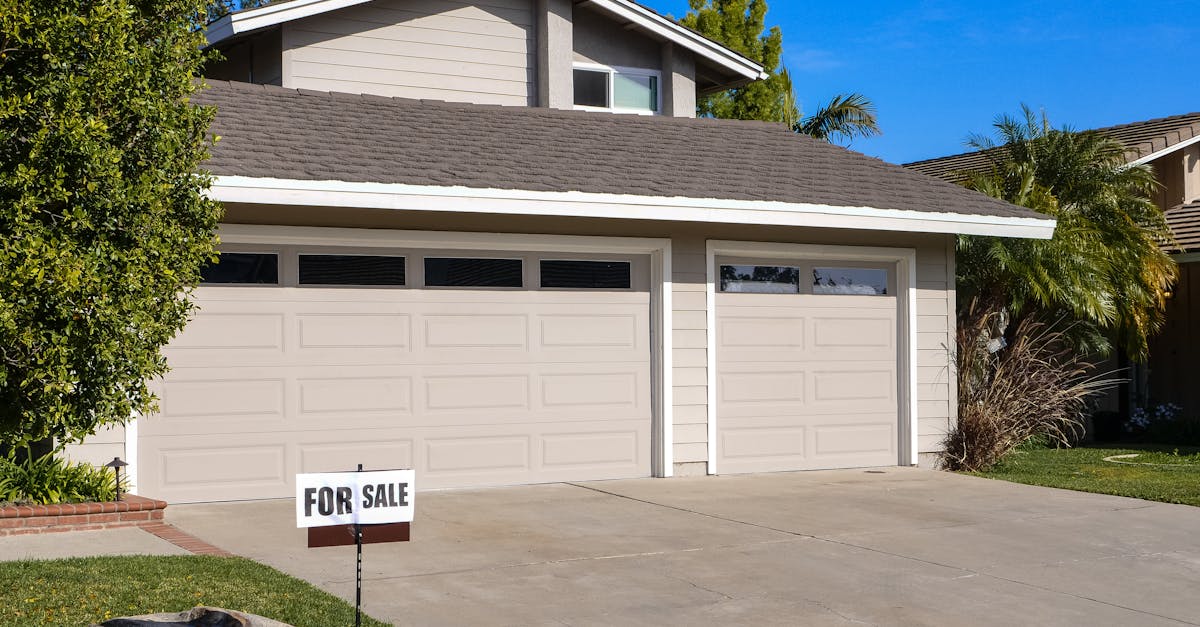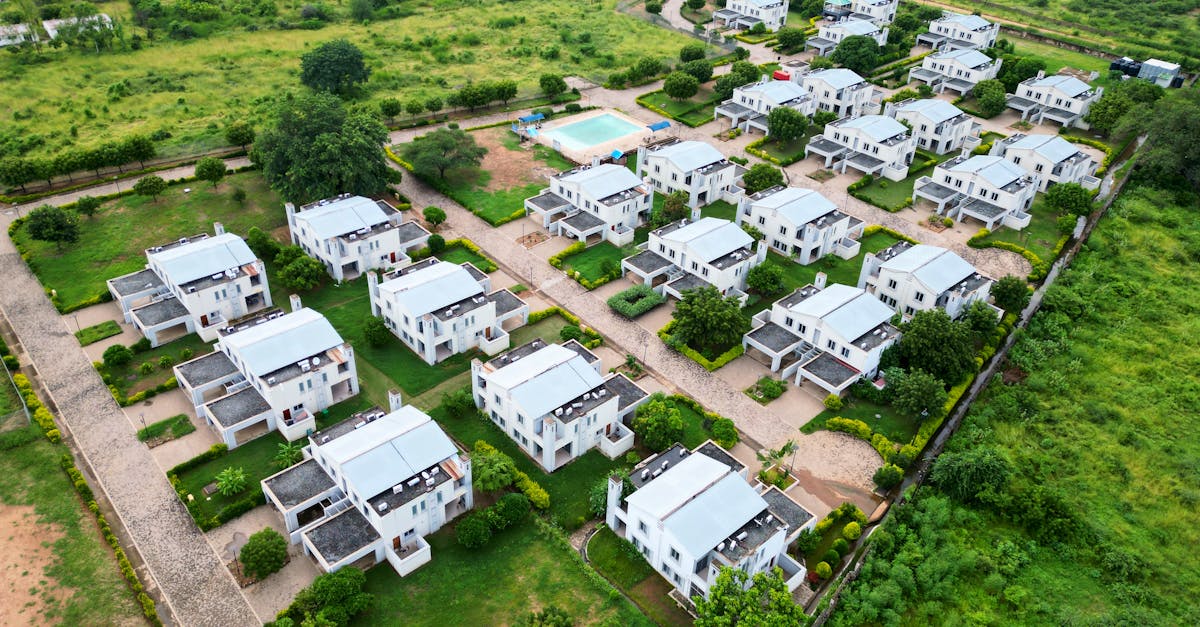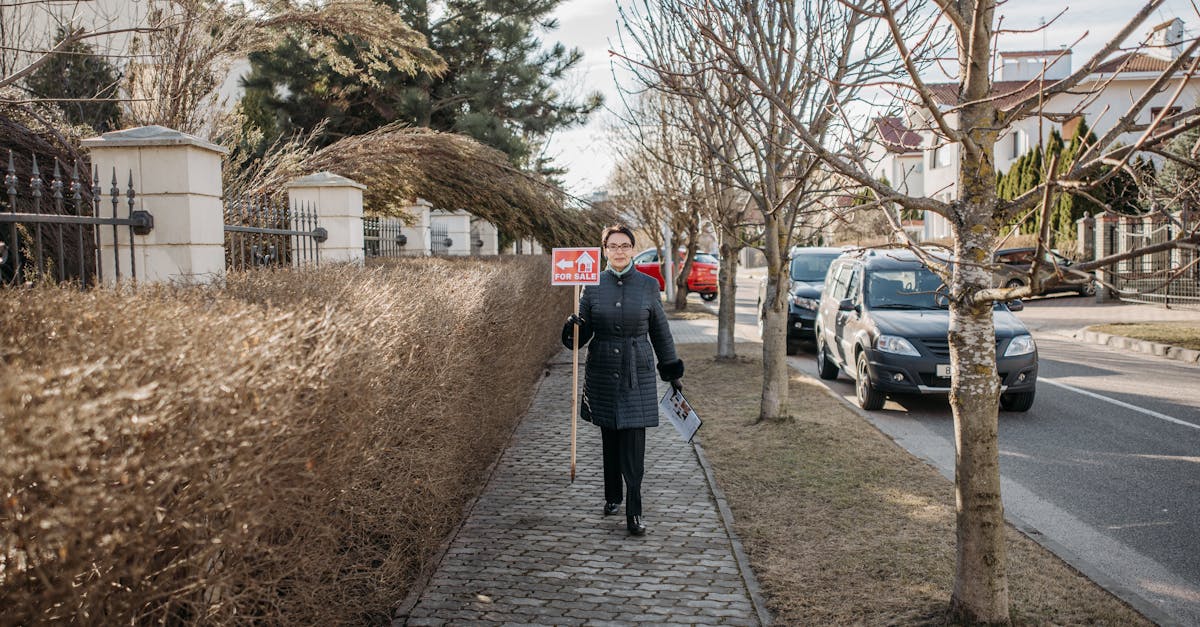
Starting with a stark reality: the median home price in the United States has reached a staggering $413,800, a leap of nearly 8.4% year-over-year, according to the National Association of Realtors.
This upward trajectory in home prices is set against a backdrop of persistently high mortgage rates, which have hovered around 7.5% for 30-year fixed-rate loans. As borrowing costs surge, many first-time buyers now find themselves squeezed out of the marketplace, leading to tightening supply and further inflating prices.
When we zoom in on city-specific data, the situation sharpens. In San Francisco, for instance, prices surged past $1.6 million for the median home, a figure that feels astonishing against the city’s historically high price points. Conversely, in cities like Cleveland, home prices have remained relatively stable, with median home values clocking in at around $210,000, showcasing the stark contrasts within regional markets.
The repercussions of this housing boom reach beyond mere statistics; they reshape household dynamics. Families that once dreamed of homeownership are now stuck in renting cycles, with the U.S. Census Bureau reporting a rental vacancy rate of only 6.9%—the lowest since 1984. This tight rental market is propping up rents, with a 10% annual increase noted in the national average rent, forcing many into a financial corner.
Moreover, the Federal Reserve has been attempting to temper inflation with aggressive rate hikes, resulting in a trickle-down effect on the housing market. With the Fed’s target rate now between 5.25% and 5.50%, potential homebuyers are grappling with affordability issues and limited options, as the fluctuation in interest rates directly impacts monthly payments.
As inflation continues to compound, we must examine the implications for different demographics. First-time buyers and lower-income families are facing the brunt of these shifts, often competing with affluent individuals or investors snapping up properties for cash. The Urban Institute indicates that while affluent households can navigate the high-cost waters, more vulnerable buyers see dreams of homeownership slip further from reach.
This exclusion is particularly pronounced among minority families, with data from the National Association of Realtors showing that Black homeownership rates lag significantly behind those of White households. The financial pressures of rising prices and mortgage rates exacerbate systemic inequities, creating an increasingly uneven playing field in the housing arena.
The complexities of the current housing market cannot be overstated; homeownership, a traditional pillar of the American dream, is becoming an elusive goal for many. As policymakers look to intervene, examining how to bolster affordable housing options will be critical for reversing these trends and fostering greater accessibility.
Buyers and renters alike are left to grapple with uncertainty as we navigate through economic fluctuations and market crosswinds. Challenges lie ahead, and the coming months will likely reveal whether current policies can stem the tide of escalating prices and restore a sense of balance in the housing sector.